

Class: Primary 6
Term: 2nd Term
Subject: Basic Science And Technology
Curriculum Theme: Basic Technology
Previous Lesson: Meaning Of Safety And Accident
Topic: Examples Of Body Safety Devices
Content/Learning Area: Body safety or protective devices: boots,gloves,goggles,etc.
Time Allocation: 40 minutes
Performance Objectives
By the end of the lesson, pupils should be able to:
- Cognitive Domain: list 2 examples of body safety devices.
- Affective Domain: Appreciate the importance of using body safety devices.
- Psychomotor Domain: demonstrate how to wear and use at least two safety devices.
- Social domain: Work cooperatively with peers in discussing safety devices.
Reference Materials
The following resources were used in planning this lesson:
- 9–Years Basic Education Curriculum (NERDC)
- Abuja Educational Resource Centre Scheme of Work
- NAPPS National Unified Scheme of Work
- Online Information from Wikipedia – Personal protective equipment
- Relevant Textbooks
Instructional Materials
To deliver this lesson, the teacher will employ the help of the following materials:
- A pair of safety gloves
- Safety boots
- Goggles
- Pictures of other safety devices
- Chart displaying the use of body safety devices
Rationale for the Lesson
Understanding body safety devices equips pupils with knowledge to protect themselves during activities like construction, laboratory experiments, and sports.
Prerequisite/Previous knowledge
Pupils already understand the meaning of safety and accidents and can relate to items used for protection during various activities.
Lesson Content
Examples Of Body Safety Devices
Body safety devices are protective tools designed to prevent injuries and keep people safe during work or other activities.
Examples of Body Safety Devices:
The following are examples of body safety devices:
- Safety Boots: Protect the feet from sharp objects and heavy impacts. Wear them during construction or outdoor activities.
- Safety Gloves: Protect hands from harmful chemicals or cuts. Use them when handling sharp tools or chemicals.
- Goggles: Shield the eyes from dust, chemicals, or flying debris. Wear them in laboratories or during woodwork.
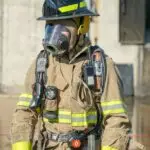
- Face Masks: Prevent inhalation of harmful gases or dust. Use them during painting or in dusty environments.
- Earplugs: Protect ears from loud noises. Use them at construction sites or near heavy machinery.
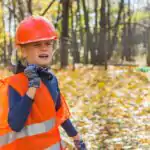
- Helmets: Protect the head from impact and injury.Use them during construction, sports, or when riding motorcycles.
- Aprons: Protect clothing and skin from spills and splashes. Use them in laboratories, kitchens, or during art projects.
Teaching Methods
To deliver this lesson, the teacher will adopt the following methods: Explanation,Demonstration,Question and Answer,Hands-on Activity,Guided Writing,Recap.
Instructional Procedures
To deliver this lesson, the teacher will adopt the following steps:
Step 1: Introduction
Time: 5 mins
teaching Skill: Set Induction
Teacher’s Activity: Ask pupils about activities where they might need protection.
Pupils’ Activity: Respond and give examples like sports or construction.
Step 2: Presentation
Time: 10 mins
Teaching Skill: Explanation
Teacher’s Activity: Display safety devices and explain their uses.
Pupils’ Activity: Observe and ask questions about the devices.
Step 3: Demonstration
Time: 10 mins
Teaching skill: Demonstration
Teacher’s Activity: Demonstrate how to wear gloves, boots, and goggles.
Pupils’ Activity: Practice wearing safety devices as shown.
Step 4: Note-taking
Time: 5 mins
Teaching Skill: Note writing
Teacher’s Activity: Dictate notes and ensure pupils copy them correctly.
Pupils’ activity: Copy notes into their notebooks.
step 5: Evaluation/Review
Time: 5 mins
Teaching Skill: Questioning
Teacher’s Activity: Ask pupils questions about the devices and their uses.
Pupils’ Activity: Answer the teacher’s questions.
Objective-aligned checks:
- list 2 examples of body safety devices.
- demonstrate how to wear and use at least two safety devices.
step 6: Conclusion
Time: 3 mins
Teaching Skill: summary
Teacher’s Activity: Recap the importance of using safety devices.
Pupils’ Activity: Listen and ask final questions for clarity.
Step 7: Closure
Time: 2 mins
Teaching Skill: Reinforcement
Teacher’s Activity: Assign pupils to identify safety devices used at home.
Pupils’ Activity: Record and prepare to complete the assignment at home.
Lesson Keywords
- Safety Boots – Protective footwear designed to prevent foot injuries.
- Safety Gloves – Protective handwear used to prevent cuts, burns, and chemical exposure.
- Goggles – Protective eyewear used to shield the eyes from dust, chemicals, and debris.
- Face Masks – Protective gear worn over the mouth and nose to prevent inhalation of harmful substances.
- Earplugs – Devices inserted in the ear canal to protect against loud noises.
Lesson Evaluation
To evaluate the learning, the teacher asks pupils to:
- Define body safety devices.
- List two examples of body safety devices.
- Mention one use of safety boots.
- Demonstrate how to wear safety gloves.
- Explain why goggles are vital during laboratory work.
Assignment/Homework
- List three places where safety devices are commonly used.
- Draw and label two different body safety devices.
- Interview a worker who uses safety devices and wriet a short paragraph about their importance.
Differentiation
- For slower learners: Provide simplified explanations and one-on-one demonstrations.
- For advanced learners: Encourage them to research and present on different types of safety devices and their specific uses.
- For visual/auditory/kinesthetic learners: Use visual aids,verbal explanations,and hands-on activities to cater to different learning styles.
Note for Teachers
Encourage active participation by allowing pupils to touch and try on the devices. Reinforce the importance of safety in everyday activities. happy teaching!

Community Join the conversation Open discussion +