

Class: Primary 6
Term: 2nd Term
Subject: Basic Science And Technology
Curriculum Theme: Basic Technology
previous Lesson: Importance Of Maintenance
Topic: Meaning Of Safety And Accident
Content/Learning Area: Definition of safety, accident, and methods of preventing accidents at home, school, workshop, and on the road.
Time Allocation: 40 minutes
Performance Objectives
By the end of the lesson, pupils should be able to:
- Cognitive Domain: Define safety, safety precautions, and accidents.
- Affective Domain: Explain the importance of adhering to safety precautions at home, school, and workshops.
- Psychomotor Domain: Identify and demonstrate safety precautions in a workshop setting.
- social Domain: Work collaboratively in discussing accident prevention methods.
Reference Materials
The following resources were used in planning this lesson:
- 9 – Years Basic Education Curriculum, Abuja.
- Educational Resource Center Scheme of Work.
- NAPPS National Unified scheme of Work.
- Online Details from: EHS Insight – 10 Important Rules for Workplace Safety
- Relevant Textbooks.
Instructional Materials
To deliver this lesson, the teacher will use the following materials:
- Flashcards with safety tips.
- A chart showing types of accidents.
- Pictures illustrating safety precautions.
- A whiteboard and markers.
rationale for the Lesson
Understanding safety and accidents helps pupils stay protected and aware of potential hazards in their environment. This topic is essential in fostering personal obligation and proactive behavior to prevent harm.
Prerequisite/Previous Knowledge
Pupils are familiar with basic safety rules at home and school and have encountered lessons on maintenance and hazards.
Lesson Content
meaning of Safety and Accident
safety: Safety means being free from harm or danger. It is indeed about taking steps to avoid accidents and injuries.
Safety precautions: These are measures taken to ensure safety and prevent accidents.
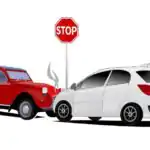
Accident: An accident is an unexpected event that causes harm or damage.
Examples of Safety Precautions
Safety precautions are essential to prevent accidents in various environments. The following are examples:
At Home:
- Avoid leaving sharp objects like knives on the floor.
- Keep electrical appliances away from water.
- Turn off gas cookers after use.
- Ensure proper lighting in staircases.
- Do not play near windows or balconies.
- Store cleaning agents and chemicals out of reach of children.
- Fix loose or torn carpets to prevent tripping.
At School:
- Walk, do not run, in the hallways.
- Avoid rough play on the playground.
- Use chairs and desks properly.
- Report damaged equipment to teachers.
- Keep personal belongings organized to avoid tripping.
- Follow instructions during science experiments carefully.
- Use handrails when climbing stairs.
In the Workshop:
- Wear safety goggles and gloves when handling tools.
- Avoid touching machines while they are running.
- Keep the workshop floor clean and dry.
- Follow instructions for using tools.
- Report faulty equipment immediately.
- Ensure proper ventilation when using chemicals.
- Use appropriate footwear to prevent slips and falls.
Teaching Methods
To deliver this lesson, the teacher will adopt the following methods: Discussion, Visual Aids, Demonstration, Guided Learning, Questioning.
Instructional Procedures
To deliver this lesson, the teacher will adopt the following steps:
Step 1: Introduction
Time: 5 mins
Teaching Skill: Set Induction
TeacherS Activity: Asks pupils if they have seen or experienced accidents.Pupils’ Activity: Share personal experiences.
Step 2: Explanation
Time: 10 mins
Teaching Skill: Explanation
Teacher’s Activity: Defines safety, safety precautions, and accidents using flashcards.
Pupils’ Activity: Listen attentively and ask questions.
Step 3: Examples
Time: 10 mins
Teaching Skill: Demonstration
Teacher’s Activity: Lists safety precautions at home, school, and workshop.
Pupils’ Activity: Write down examples in their notebooks.
Step 4: Note-Taking
Time: 5 mins
Teaching Skill: Writing
Teacher’s Activity: Guides pupils to copy the notes.
Pupils’ Activity: Copy notes into notebooks.
Step 5: Evaluation/Review
Time: 5 mins
Teaching Skill: Assessment
Teacher’s Activity: Asks pupils questions about the lesson.
Pupils’ Activity: Answer questions and participate actively.
Objective-aligned checks:
- Define safety, safety precautions, and accidents.
- Explain the importance of adhering to safety precautions at home, school, and workshops.
- Identify and demonstrate safety precautions in a workshop setting.
Step 6: Conclusion
Time: 5 mins
Teaching Skill: Closure
Teacher’s Activity: Summarizes the lesson and emphasizes key points.
Pupils’ Activity: Reflect and share thoughts.
Lesson Keywords
- Safety – Being free from harm or danger.
- Accident – An unexpected event that causes harm or damage.
- Precautions – Measures taken to prevent accidents.
Lesson Evaluation
To evaluate the learning,the teacher asks pupils to:
- Define safety and accident.
- List two examples of safety precautions at home.
- Mention two safety precautions in the workshop.
- Explain why safety is important in our daily lives.
Assignment/Homework
- List five safety precautions you can take at home to prevent accidents.
- Describe a situation where you or someone you know avoided an accident by taking safety precautions.
- Research and write down three safety rules for using a computer in the ICT lab.
Differentiation
- For slower learners: Provide visual aids for pupils who learn better through images.
- for advanced learners: Encourage them to research and present on advanced safety measures in specific environments like construction sites or hospitals.
- For visual/auditory/kinesthetic learners: use demonstrations and hands-on activities to reinforce learning.
Note for Teachers
This lesson emphasizes understanding safety and accidents in practical terms. Use examples relatable to pupils’ environments for better engagement. Happy teaching!


Community Join the conversation Open discussion +