

Class: Primary 6
Term: 2nd term
Subject: Basic Science And Technology
Curriculum Theme: Basic Technology
Previous lesson: Examples Of Workshop Safety Devices
Topic: Safety Precautions At Home, Workshop, And On The Road
Content/Learning Area: Safety precautions at home, in the workshop, and on the road.Time Allocation: 40 minutes
Performance Objectives
By the end of the lesson,pupils should be able to:
- cognitive Domain: define safety precautions and list five precautions at home,in the workshop,and on the road.
- Affective domain: Appreciate the importance of observing safety rules.
- Psychomotor Domain: Demonstrate proper actions to stay safe in these areas.
- Social Domain: Share safety tips with classmates during group activities.
Reference Materials
The following resources were used in planning this lesson:
- 9–Years Basic Education Curriculum Abuja.
- Educational Resource Center Scheme of Work.
- NAPPS National Unified Scheme of work.
- Online Information from: Safety Talk Ideas – 50 home Safety Tips and Safety Measures
- Relevant Textbooks.
Instructional Materials
To deliver this lesson,the teacher will use the following materials:
- Charts showing safety precautions.
- Pictures of safety tools (e.g., fire extinguisher, helmet).
- A whistle to demonstrate road safety.
- A toy workshop setup.
Rationale for the Lesson
Understanding safety precautions helps pupils prevent accidents, protect lives, and promote a culture of caution at home, in the workshop, and on the road.
Prerequisite/previous Knowledge
Pupils are familiar with basic safety rules from daily routines and past lessons.
Lesson Content
Safety Precautions At Home, Workshop, And on The Road
Safety precautions are actions or steps we take to prevent accidents and injuries in our environment.
Safety precautions at home:
these are measures taken to minimize risks and prevent accidents within the household:
- Keep sharp objects like knives out of children’s reach.
- Turn off gas cookers after use.
- do not touch electrical appliances with wet hands.
- Store chemicals like bleach in locked cabinets.
- Clean up water spills immediately to avoid slipping.
- Ensure proper ventilation when using cleaning agents.
- Install smoke detectors and carbon monoxide detectors.
Safety precautions in the workshop:
These are measures taken to minimize risks and prevent accidents within the workshop:
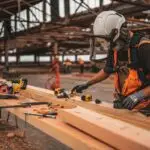
- Wear protective gear such as gloves and goggles.
- Keep tools in their proper storage after use.
- Avoid running or playing in the workshop.
- Follow instructions when using equipment.
- Ensure proper lighting in the workshop.
- Use the right tool for the job to prevent damage and injury.
- Report any faulty equipment or hazards immediately.
Safety precautions on the road:
these are measures taken to minimize risks and prevent accidents on the road:
- Look left, right, and left again before crossing the road.
- Use pedestrian crossings.
- Wear seat belts while in a vehicle.
- avoid playing on the road.
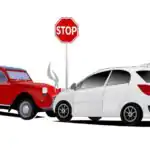
- Obey traffic signs and signals.
- Walk on the sidewalk or shoulder, facing traffic if no sidewalk is available.
- Never assume drivers see you; make eye contact when crossing.
Teaching Methods
To deliver this lesson, the teacher will adopt the following methods: Interactive Discussion, Lecture Method, Demonstration, Guided Practice, Oral Questioning, Summarization.
Instructional Procedures
To deliver this lesson, the teacher will adopt the following steps:
Step 1: Introduction
Time: 5 mins
Teaching Skill: Set Induction
teacher’s Activity: Asks pupils about places they consider perilous and why.
Pupils’ Activity: Respond to the teacher’s questions.
Step 2: Explanation
time: 10 mins
Teaching Skill: Explanation
Teacher’s Activity: Explains safety precautions with charts and examples.
Pupils’ Activity: Listen attentively and ask questions.
Step 3: Demonstration
Time: 10 mins
Teaching Skill: Demonstration
Teacher’s Activity: Shows how to cross a road safely and handle tools.
Pupils’ Activity: Observe the demonstration and practice.
Step 4: Note-Taking
Time: 5 mins
Teaching Skill: Writing exercise
Teacher’s Activity: Dictates the notes for pupils to copy.
Pupils’ Activity: Copy the notes into their books.
Step 5: Evaluation/Review
Time: 5 mins
Teaching Skill: Oral questioning
Teacher’s Activity: Asks questions based on the lesson content.
Pupils’ Activity: Answer the questions.
Objective-aligned checks:
- define safety precautions and list five precautions at home,in the workshop,and on the road.
- Demonstrate proper actions to stay safe in these areas.
Step 6: Conclusion
Time: 3 mins
Teaching Skill: Summarization
Teacher’s Activity: Recaps the safety precautions and their importance.
Pupils’ Activity: Listen and ask further questions.
Lesson Keywords
- Safety Precautions – Actions taken to prevent accidents and injuries.
- home Safety – Measures to ensure a safe living environment.
- Workshop Safety – Practices to prevent accidents in a workshop.
- Road Safety – Rules and actions to stay safe on the road.
- Protective Gear – Equipment worn to protect from injury.
Lesson Evaluation
To evaluate the learning, the teacher asks pupils to:
- Define safety precautions.
- Mention three safety precautions at home.
- State two safety precautions in the workshop.
- Explain why it is important to observe safety rules.
- Demonstrate how to cross a road safely.
assignment/Homework
- List five additional safety precautions for each location: home, workshop, and road.
- Draw a poster illustrating safety precautions at home.
- Write a short paragraph on why following safety rules is critically important.
Differentiation
- For slower learners: Provide simplified visual aids and one-on-one guidance.
- For advanced learners: Challenge them to create a safety manual for their home or school.
- For visual/auditory/kinesthetic learners: Use visual aids, verbal explanations, and hands-on demonstrations.
Note for Teachers
This lesson plan is designed to be interactive and practical. Ensure pupils participate actively during demonstrations and discussions. Use real-life examples where possible.Happy teaching!

Community Join the conversation Open discussion +