

Class: Primary 5
Term: 3rd Term
Subject: Basic Science And Technology
Curriculum Theme: Physical and Health Education
Previous Lesson: Effects Of Drug Abuse
Topic: Meaning And Types Of Herbal Medicine
Content/Learning Area: Meaning And Types Of Herbal Medicine, Differentiate between NAFDAC listed and registered herbal medicine
Time Allocation: 40 minutes
Performance Objectives
By the end of the lesson, pupils should be able to:
- Cognitive Domain: Explain the meaning of herbal medicine and identify its types.
- Affective Domain: Show interest in learning about local herbal health solutions.
- Psychomotor Domain: Group different herbal medicines based on their sources or uses.
- Social Domain: Work together in groups to discuss safe herbal practices.
reference Materials
The following resources were used in planning this lesson:
- 9 Years Basic Education Curriculum
- Abuja Educational Resource Center Scheme of work
- NAPPS National Unified Scheme of Work
- Online Facts from: Wikipedia – Herbal medicine
- Relevant Textbooks
Instructional Materials
To deliver this lesson, the teacher will use the following materials:
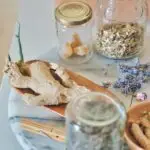
- real samples of common herbal medicines
- Charts showing types and uses of herbal medicine
- NAFDAC labelled and unlabelled product images
- Picture cards of medicinal plants
- Audio or video clips on herbal medicine readiness
Rationale for the Lesson
Understanding herbal medicine helps pupils appreciate local health practices and differentiate safe products from harmful ones.
Prerequisite/Previous Knowledge
Pupils have seen or used common herbs like ginger or garlic at home and can recognize natural remedies.
Lesson Content
Meaning and Types of Herbal Medicine
Herbal medicine is the use of natural plants to treat sickness and keep the body healthy. People have used herbs for many years to stay well.
Types of Herbal Medicine
There are different types of herbal medicine based on how they are made or used. The following are types of herbal medicine:
- liquid herbal medicine
- Powdered herbal medicine
- Herbal capsules or tablets
- Herbal tea
- Herbal ointments or creams
- Herbal syrups
- Herbal extracts
Difference Between NAFDAC Listed and Registered Herbal Medicine
Some herbal medicines are listed or registered by NAFDAC to show they are safe. Below are differences between NAFDAC listed and registered herbal medicine:
- Listed medicine has only passed basic safety checks
- Registered medicine has passed full testing and approval
- Listed medicine may not cure any sickness
- Registered medicine is tested for healing claims
- Listed medicines have a NAFDAC listing number
- Registered medicine has a NAFDAC registration number
- Listed medicines have limited information on their packaging
- Registered medicines have detailed information on their packaging
teaching Methods
To deliver this lesson, the teacher will adopt the following methods: Discussion, Lecture, Explanation, Visual Aids, Group Work, Storytelling
Instructional Procedures
To deliver this lesson, the teacher will adopt the following steps:
Step 1: Introduction
Time: 5min
Teaching Skill: Set Induction
Teacher’s Activity: Tells a short story about an old woman using herbs to cure sickness.Asks pupils if they’ve used herbs.
Pupils’ Activity: Share their experiences with herbs and answer questions
Step 2: Meaning of Herbal Medicine
time: 7min
Teaching Skill: Explanation
Teacher’s Activity: Explains what herbal medicine means using charts and real-life examples.
Pupils’ Activity: Listen and observe the charts and real samples
Step 3: Types of Herbal Medicine
Time: 8min
Teaching Skill: Discussion, visual Aid
Teacher’s Activity: Displays images of different types of herbal medicine and explains each one.
Pupils’ Activity: Identify and name types shown in pictures
Step 4: Differences between NAFDAC Listed and Registered Herbal Medicines
Time: 8min
Teaching Skill: Lecture, Exhibition
Teacher’s Activity: Shows samples of listed and registered herbal medicines, explains their differences
Pupils’ Activity: Ask questions, observe product labels
Step 5: Group Activity
Time: 5min
Teaching Skill: Group Work
Teacher’s Activity: Divides class into groups to sort herbal products as listed or registered
Pupils’ Activity: Sort, discuss and present their group answers
Step 6: note-Taking
Time: 2min
Teaching Skill: Copying
Teacher’s Activity: Dictates summary of lesson content to pupils
Pupils’ Activity: Copy the class notes in their books
step 7: Evaluation/Review
Time: 3min
teaching Skill: Questioning
Teacher’s Activity: Asks pupils oral and written questions about the lesson
Pupils’ Activity: Answer the questions individually
Step 8: Conclusion
time: 2min
Teaching Skill: Cognitive & Social Closure
Teacher’s Activity: reviews key points and reminds them to check for NAFDAC numbers on herbal products
Pupils’ Activity: Listen, ask final questions, give feedback
Lesson Keywords
- Herbal medicine – Use of plants to treat sickness
- NAFDAC – Agency that checks if medicine is safe
- Listed – medicine checked for basic safety
- Registered – Medicine tested and approved
- Capsule – Small medicine shaped like a shell
Lesson Evaluation
to evaluate the learning, the teacher asks pupils to:
- Define herbal medicine
- List three types of herbal medicine
- Mention two differences between NAFDAC listed and registered herbal medicine
- Identify samples of herbal medicine shown in class
- Work in groups to sort herbal products correctly
Assignment/Homework
- List five common herbal plants found in your locality and their uses.
- Explain the importance of NAFDAC registration on herbal medicines.
- Research and write a short note on any traditional herbal remedy used in your family.
Differentiation
- For slower learners: Provide simplified visual aids and repeat key points. Pair them with stronger learners for assistance.
- For advanced learners: Encourage them to research and present on different herbal medicine regulatory bodies in other countries.
- For visual/auditory/kinesthetic learners: Use colorful charts, audio clips of herbal medicine preparation, and hands-on sorting activities.
Note for Teachers
Use real or picture samples of herbal medicine to help pupils relate better. Be sensitive to local beliefs and ensure safety in demonstration.


Community Join the conversation Open discussion +