

Class: Primary 5
Term: 3rd term
Subject: Basic Science Adn Technology
Curriculum theme: Physical And Health Education
Previous Lesson: Uses And Consequences Of Using Drugs
Topic: Ways Of Taking Drugs
content/Learning Area: Ways of taking drugs: oral consumption, rubbing, injecting, inhaling
Time Allocation: 40 minutes
Performance Objectives
by the end of the lesson, pupils should be able too:
- Cognitive Domain: Explain the various ways drugs can be taken.
- Affective Domain: Show willingness to follow safe and correct drug-taking methods.
- Psychomotor Domain: Demonstrate with role-play how drugs can be taken through different methods.
- Social Domain: collaborate in groups to discuss the importance of correct drug use.
Reference Materials
The following resources were used in planning this lesson:
- 9 Years Basic Education Curriculum
- Abuja Educational Resource Center scheme of Work
- NAPPS National Unified Scheme of Work
- Online Information from: Desert Hope – Understand the Methods of drug Administration
- Relevant Textbooks
Instructional Materials
To deliver this lesson, the teacher will employ the help of the following materials:
- drug samples (e.g. tablets, creams, syringes – for illustration only)
- Charts showing different methods of taking drugs
- Flashcards with drug types and uses
- Posters illustrating safe drug-taking habits
- Whiteboard and marker
Rationale for the Lesson
It is important for pupils to know the correct ways to take drugs to prevent misuse and promote health and safety.
Prerequisite/Previous Knowledge
Pupils have seen or taken medicine at home and can relate to using tablets or rubbing ointment when sick.
lesson Content
Ways of Taking Drugs
Drugs are substances used to treat or prevent sickness. Drugs can be taken in different ways to help the body.
The following are ways of taking drugs:
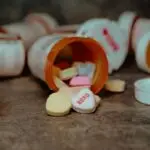
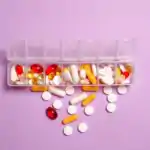
- Oral Consumption: Oral consumption means taking drugs through the mouth. It is the most common method. Examples include:
– Tablets
– Capsules
– Syrups
– Solutions
– Suspensions
- Rubbing on the Skin: Some drugs are used on the skin.Thes help with skin problems or body pain. Examples are:
– Ointments
– Creams
– Lotions
– Gels
– Patches
- Injecting into the Body: Drugs can also be given through injections using needles. This is done by a nurse or doctor.Examples include:
– Intramuscular injections (into the muscle)
– Subcutaneous injections (under the skin)
– Intravenous injections (into the vein)
– Intradermal injections (into the skin)
– Bolus injections (single, large dose)
- Inhaling through the Nose: Some drugs are taken by breathing them into the nose. This helps with nose and breathing issues. Examples are:
– Inhalers
– Nose sprays
– Vaporizers
– Nebulizers
– Nasal drops
Teaching Methods
To deliver this lesson, the teacher will adopt the following methods: Discussion, Lecture, Explanation, Demonstration, Storytelling, Visual Aids
Instructional Procedures
To deliver this lesson, the teacher will adopt the following steps:
Step 1: Introduction
Time: 5 mins
Teaching Skill: Set Induction
Teacher’s Activity: Tells a story of a sick child treated with drugs in different ways
Pupils’ Activity: Listen and answer questions on the story
Step 2: Oral Consumption
Time: 7 mins
Teaching Skill: Explanation, Visual Aid
Teacher’s Activity: shows pictures and samples of tablets and syrups and explains how they are taken
Pupils’ Activity: Observe samples and explain how they have taken drugs before
Step 3: Rubbing on Skin
Time: 6 mins
Teaching Skill: Demonstration
Teacher’s Activity: Displays ointments and creams, explains how and when to use them
Pupils’ Activity: Participate in demonstration of rubbing action
Step 4: Injecting into Body
Time: 6 mins
Teaching skill: Visual Aid, Explanation
Teacher’s Activity: Shows image of injection and explains its use and why only health workers inject
pupils’ Activity: Identify parts of the body used for injection
Step 5: Inhaling through Nose
Time: 5 mins
Teaching Skill: Explanation
Teacher’s Activity: Shows an inhaler image and explains how it helps nose and breathing problems
Pupils’ Activity: Pretend to use inhaler while teacher guides
Step 6: Note-Taking
Time: 3 mins
Teaching Skill: Writing
teacher’s Activity: Guides pupils to copy the key points into their notebooks
Pupils’ Activity: copy notes carefully into books
step 7: Evaluation/Review
Time: 5 mins
Teaching Skill: Questioning
Teacher’s Activity: Asks review questions based on the four methods of taking drugs
Pupils’ Activity: Answer questions individually and in groups
Objective-aligned checks:
- Explain the various ways drugs can be taken.
- Demonstrate with role-play how drugs can be taken through different methods.
- collaborate in groups to discuss the importance of correct drug use.
Step 8: Conclusion
time: 3 mins
Teaching Skill: Instructional, Cognitive
Teacher’s Activity: Summarizes key points, encourages safe use of drugs, and praises pupils’ efforts
Pupils’ Activity: Recap main ideas and respond to teacher’s questions
Lesson Keywords
- Drugs – substances used to treat sickness
- Oral – taking medicine by mouth
- Ointment – A drug rubbed on the skin
- Injection – A drug given through a needle
- Inhaler – A drug taken by breathing through the nose
Lesson Evaluation
To evaluate the learning, the teacher asks pupils to:
- Mention two ways of taking drugs
- Show how to take drugs by mouth
- Say who can give injections
- List drugs that are rubbed on the skin
- demonstrate how to use an inhaler
- Mention the part of the body used for injection
Assignment/Homework
- List three examples of drugs taken orally.
- Explain why injections should only be given by health workers.
- Describe a situation where you might use an ointment.
Differentiation
- For slower learners: The teacher will support slow learners with pictures and demonstrations.
- For advanced learners: Fast learners explain methods and help others in group work.
- For visual/auditory/kinesthetic learners: Use visual aids, verbal explanations, and hands-on demonstrations to cater to different learning styles.
Note for Teachers
Always emphasize that only adults or health workers should give injections or handle strong drugs. Make lessons practical and interactive to keep pupils engaged.
Community Join the conversation Open discussion +