

Class: Senior Secondary School 2 (SS2 / SSS 2)
Term: 2nd Term
Week: 4
Age: 16 years
Duration: 45 minutes
Subject: Islamic Religious Studies
Curriculum Theme: Pillars of Islam and Acts of Worship
Previous Lesson: Islamic Economic System: Zakkat, Sadaqah and Bayt-al-Mal.
Topic: Hajj (pilgrimage)
Subject Matter: Meaning of Hajj, values of Hajj
Specific Objectives
By the end of the lesson, pupils should be able to:
Cognitive Domain:
- Define Hajj accurately.
- State at least four values derived from Hajj.
Affective Domain:
- Appreciate the spiritual significance of Hajj.
- Demonstrate willingness to adopt the values of Hajj in daily life.
Psychomotor Domain:
- Describe the major rites of Hajj.
Social Domain:
- Recognize Hajj as a means of fostering unity and brotherhood among Muslims.
Reference Materials
The following resources were used in planning this lesson:
- Senior Secondary Schools Education Curriculum
- State Unified Scheme of Work
- Islamic Religious Studies for Senior Secondary Schools, Book 2.
Instructional Materials
The teacher will teach this lesson with the aid of:
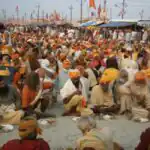
- Pictures showing pilgrims performing Hajj rites
- Charts illustrating the sequence of Hajj
- Whiteboard/Chalkboard and markers/chalk
Rationale for the Lesson
This lesson enables pupils to understand Hajj as a fundamental pillar of Islam. It helps them to grasp the spiritual and moral values embedded in the pilgrimage, which are important for personal development and community cohesion.
Prerequisite/Previous Knowledge
Pupils are familiar with the other pillars of Islam such as Salat (prayer), Zakat (charity), and Sawm (fasting).
Lesson Content/Board Summary
Hajj (Pilgrimage)
Meaning of Hajj
Hajj is the annual pilgrimage to Makkah, Saudi Arabia, which every adult Muslim is expected to undertake at least once in their lifetime, provided they are physically and financially able to do so. It is the fifth pillar of Islam.
Values of Hajj
Hajj embodies several important values that contribute to the spiritual and moral development of a Muslim. These values include:
- Obedience to Allah: Performing Hajj is a direct act of submission to Allah’s command, demonstrating a pilgrim’s willingness to fulfill their religious duties.
- Unity and Brotherhood: Millions of Muslims from diverse backgrounds gather in one place, wearing similar simple attire (Ihram), performing the same rites. This fosters a strong sense of unity, equality, and brotherhood among them.
- Sacrifice: Hajj requires significant financial, physical, and emotional sacrifice. Pilgrims leave their homes, families, and worldly comforts to dedicate themselves to worship, reflecting a spirit of selflessness.
- Discipline and Patience: The rites of Hajj demand strict adherence to rules, specific timings, and immense patience, especially amidst large crowds. This cultivates discipline and endurance.
- Piety and Forgiveness: Hajj is a journey of spiritual purification. Pilgrims seek forgiveness for their sins and strive to attain a higher level of piety (Taqwa), hoping for a fresh start.
- Equality: During Hajj, all pilgrims, regardless of their social status, wealth, or nationality, wear the simple Ihram, emphasizing that all are equal in the sight of Allah.
Teaching Methods/Instructional Techniques
Discussion, Lecture, Demonstration, Question and Answer, Visual Aids, Explanation
Instructional Procedures
Step 1: Introduction
Time: 5 minutes
Teaching Skill: Set Induction
Teacher’s Activity: The teacher greets the pupils and asks them to recall the five pillars of Islam. The teacher then introduces Hajj as the fifth pillar and the topic for the day.
Pupils’ Activity: Pupils respond to the teacher’s questions and listen attentively as the new topic is introduced.
Learning Point: Pupils recall previous knowledge and are prepared for the new lesson.
Step 2: Meaning of Hajj
Time: 10 minutes
Teaching Skill: Explanation/Definition
Teacher’s Activity: The teacher explains the meaning of Hajj as the annual pilgrimage to Makkah, performed by eligible Muslims, emphasizing its status as the fifth pillar of Islam.
Pupils’ Activity: Pupils listen, take notes, and define Hajj in their own words when prompted.
Learning Point: Pupils understand the definition and significance of Hajj.
Step 3: Values of Hajj (Obedience and Unity)
Time: 10 minutes
Teaching Skill: Explanation/Illustration
Teacher’s Activity: The teacher explains the values of obedience to Allah and unity derived from Hajj, using examples like pilgrims wearing Ihram and performing rites together.
Pupils’ Activity: Pupils listen, ask questions for clarification, and contribute to the discussion.
Learning Point: Pupils grasp how Hajj promotes obedience and unity.
Step 4: Values of Hajj (Sacrifice and Discipline)
Time: 10 minutes
Teaching Skill: Explanation/Analysis
Teacher’s Activity: The teacher further explains the values of sacrifice and discipline, illustrating how the physical and financial demands, along with adherence to Hajj rites, cultivate these traits.
Pupils’ Activity: Pupils listen, take notes on the explained values, and reflect on the examples given.
Learning Point: Pupils understand the role of Hajj in fostering sacrifice and discipline.
Step 5: Further Discussion and Clarification
Time: 5 minutes
Teaching Skill: Questioning/Facilitation
Teacher’s Activity: The teacher opens the floor for questions and facilitates a brief discussion on any other values pupils might identify from Hajj.
Pupils’ Activity: Pupils ask questions, share their thoughts, and participate in the discussion.
Learning Point: Pupils clarify doubts and deepen their understanding of Hajj values.
Step 6: Board Summary
Time: 5 minutes
Teaching Skill: Summarization/Writing
Teacher’s Activity: The teacher writes the key points of the lesson (meaning and values of Hajj) on the board for pupils to copy into their notebooks.
Pupils’ Activity: Pupils copy the board summary into their notebooks.
Learning Point: Pupils have a concise record of the lesson for future reference.
Step 7: Evaluation/Review
Time: 5 minutes
Teaching Skill: Questioning/Assessment
Teacher’s Activity: The teacher evaluates the learning by asking the following questions:
- What is Hajj?
- Mention any three values derived from performing Hajj.
- How does Hajj promote unity among Muslims?
- Explain how Hajj encourages sacrifice.
Pupils’ Activity: Pupils answer orally and in writing.
Learning Point: Pupils demonstrate understanding of the lesson.
Step 8: Conclusion
Time: 2 minutes
Teaching Skill: Consolidation
Teacher’s Activity: The teacher summarizes the lesson by reiterating the importance of Hajj as a pillar of Islam and its profound values. The teacher then gives an assignment: “List and briefly explain five major rites of Hajj.”
Pupils’ Activity: Pupils listen to the summary and copy the assignment.
Learning Point: Pupils consolidate their learning and prepare for further study.
Lesson Keywords
- Hajj – The annual pilgrimage to Makkah, a fundamental pillar of Islam.
- Makkah – The holy city in Saudi Arabia where the Ka’aba is located and Hajj is performed.
- Pilgrimage – A journey to a sacred place or shrine for religious reasons.
- Ihram – The sacred state which a Muslim must enter in order to perform Hajj or Umrah, involving specific attire and prohibitions.
- Ka’aba – The sacred building at the center of the Grand Mosque in Makkah, towards which Muslims pray.
Differentiation
For pupils who grasp concepts quickly, the teacher can challenge them to research and present on the history of Hajj or specific rituals in more detail. For those who need more support, the teacher can provide simplified notes or work with them in small groups to review the definitions and values.
Note for teachers using this lesson plan
Teachers should ensure they have clear pictures or diagrams of Hajj rites to aid visual learners. Encourage pupils to share any personal stories or experiences related to Hajj from family members to make the lesson more relatable. Emphasize the spiritual transformation and moral lessons learned during Hajj, beyond just the physical journey.
Community Join the conversation Open discussion +