

Class: Junior Secondary School 1 (JSS1, JSS 1)
Term: 2nd Term
Week: 7 & 8
Age: 12 years
Duration: 45 minutes
Subject: Basic Science And Technology
Curriculum Theme: Basic Science
Previous Lesson: Counselling and Testing, Care and Support, and Myths and Facts about HIV/AIDS
Topic: Energy
Subject Matter: Meaning of Energy, Sources of Energy, Forms of Energy, Transformation of Energy, Uses of Energy.
Specific Objectives
By the end of the lesson, pupils should be able to:
- Cognitive Domain:
(a) Define energy and explain its various forms.
(b) Identify and describe common sources of energy.
(c) Explain the transformation of energy from one form to another.
(d) State the uses of energy in everyday life. - Affective Domain:
(a) Appreciate the importance of energy in daily living and human development.
(b) Develop an interest in conserving and using energy wisely. - Psychomotor Domain:
(a) Demonstrate simple activities showing transformation of energy (e.g., lighting a bulb, winding a toy). - Social Domain:
(a) Work cooperatively in groups to discuss energy sources and their applications.
Reference Materials
The following resources were used in planning this lesson:
- 9 Years Basic Education Curriculum
- Lagos State Unified Scheme of work for Junior Secondary Schools
- Britannica – Energy | Definition, Types, Examples, & Facts
- Relevant Textbooks
Instructional Materials
The teacher will teach this lesson with the aid of:
- Pictures and charts showing different forms and sources of energy
- Flash cards showing examples of energy use
- A battery, bulb, and wire setup for demonstration
- Solar panel toy or picture
- Radio or torchlight to show energy conversion
- Whiteboard and markers
Rationale for the Lesson
This lesson helps pupils understand energy as a vital part of daily life, how it exists in different forms, where it comes from, how it changes from one form to another, and its importance in human activities.
Prerequisite/Previous Knowledge
Pupils have observed different uses of energy in their environment such as electricity, moving vehicles, cooking, and sound production. They can identify examples of energy from previous experiences.
Lesson Content/Board Summary
Energy
Meaning of Energy
Energy is the ability or capacity to do work. It enables living and non-living things to move, grow, produce heat, or cause change. Without energy, most activities in life would not be possible.
Sources of Energy
Sources of energy are the origins from which energy is obtained. Some are natural while others are man-made.
The following are sources of energy:
- The Sun – the main source of all energy on earth.
- Water – used to produce hydroelectric power.
- Wind – used to turn wind turbines to generate electricity.
- Fuel (coal, oil, and gas) – used for cooking and powering machines.
- Food – provides energy to living things.
- Batteries – store chemical energy for later use.
- Nuclear materials – produce nuclear energy.
Forms of Energy
Energy exists in different forms. Each form can be used for specific purposes.
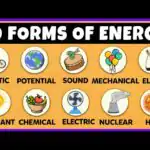
The following are forms of energy:
- Heat energy – produced by the sun, fire, or electricity.
- Light energy – produced by the sun, bulbs, or candles.
- Sound energy – produced by vibrating objects like drums or speakers.
- Mechanical energy – produced by moving parts or motion of objects.
- Electrical energy – produced by generators, batteries, or dams.
- Chemical energy – found in food, fuel, and batteries.
- Nuclear energy – released during nuclear reactions.
Transformation of Energy
Energy can be changed from one form to another to perform useful work. This process is known as transformation or conversion of energy.
Examples include:
- Electrical energy is changed to light energy in a bulb.
- Chemical energy in food is converted to mechanical energy when we move.
- Mechanical energy in a moving fan is produced from electrical energy.
- Solar energy from the sun can be converted into electrical energy using solar panels.
Uses of Energy
Energy is very important in our daily activities. It makes life easier and supports modern development.
The following are uses of energy:
- For cooking food.
- For lighting homes and streets.
- For driving vehicles and running machines.
- For producing sound in radios and televisions.
- For heating and cooling in homes and offices.
- For communication and information technology.
- For transportation and industrial production.
Teaching Methods/Instructional Techniques:
Discussion, Lecture, Demonstration, Explanation, Question and Answer, Visual Aids, Group Work
Instructional Procedures
To deliver this lesson, the teacher will adopt the following steps:
Step 1: Introduction
Time: 5 minutes
Teaching Skill: Set Induction
Teacher’s Activity: Teacher displays pictures of the sun, electric bulb, and moving vehicles, and asks pupils what all these things have in common. The teacher then links the responses to the topic “Energy.”
Pupils’ Activity: Pupils observe the pictures and respond that all the items involve energy or movement.
Learning Point: Pupils are introduced to the concept of energy and its importance in daily life.
Step 2: Meaning and Sources of Energy
Time: 10 minutes
Teaching Skill: Explanation
Teacher’s Activity: The teacher explains the meaning of energy and identifies various natural and artificial sources of energy using charts and examples.
Pupils’ Activity: Pupils listen, identify examples, and participate in discussion.
Learning Point: Pupils understand what energy is and where it comes from.
Step 3: Forms of Energy
Time: 10 minutes
Teaching Skill: Discussion
Teacher’s Activity: The teacher explains the different forms of energy and demonstrates some using available materials (e.g., lighting a bulb, clapping to produce sound).
Pupils’ Activity: Pupils participate, observe demonstrations, and name examples of energy forms.
Learning Point: Pupils learn the different forms of energy and how each is used.
Step 4: Transformation and Uses of Energy
Time: 10 minutes
Teaching Skill: Demonstration
Teacher’s Activity: The teacher demonstrates how energy changes from one form to another and discusses its various uses in homes, schools, and industries.
Pupils’ Activity: Pupils participate actively and mention examples of energy transformation and uses.
Learning Point: Pupils understand that energy can be transformed and used for different purposes.
Step 5: Note-Taking
Time: 5 minutes
Teaching Skill: Explanation
Teacher’s Activity: Teacher writes the summarized notes (board summary) for pupils to copy.
Pupils’ Activity: Pupils copy notes neatly into their notebooks.
Learning Point: Pupils have a record of the lesson content for study.
Step 6: Evaluation/Review
Time: 3 minutes
Teaching Skill: Questioning
Teacher’s Activity: The teacher evaluates the learning by asking the following questions:
- What is energy?
- Mention three sources of energy.
- List four forms of energy.
- Give two examples of energy transformation.
- State three uses of energy in daily life.
Pupils’ Activity: Pupils answer the questions orally.
Learning Point: Pupils demonstrate their understanding of the key concepts of energy.
Step 7: Conclusion
Time: 2 minutes
Teaching Skill: Reinforcement
Teacher’s Activity: The teacher summarizes the lesson, reinforces key points, and encourages pupils to observe energy use around them.
Pupils’ Activity: Pupils listen and ask questions for clarification.
Learning Point: Pupils appreciate the significance of energy in daily living.
Home Task: Record two correct examples of Energy from the lesson or home environment and explain each in your own words.
Lesson Keywords
- Energy – ability to do work
- Source – origin or place where energy comes from
- Transformation – change of energy from one form to another
- Mechanical – energy due to motion
- Electrical – energy produced by electricity
Differentiation
Teacher provides simpler explanations and visual aids for slower learners, while advanced learners perform simple demonstrations of energy transformation.
Note for teachers using this lesson plan
Ensure pupils’ active participation during demonstrations. Emphasize energy conservation and safety when handling electrical materials. Use relatable, real-life examples for better understanding.



Community Join the conversation Open discussion +