

Class: Junior Secondary School 1 (JSS1, JSS 1)
Term: 1st Term
Week: 3
Age: 12 years
Duration: 45 minutes
Subject: Basic Science And Technology
Curriculum Theme: Basic Science
Sub Theme: Concept Of Living And Non Living Things
Previous Lesson: Characteristics Of Living And Non Living Things
Topic: Differences Between Plants And Animals
Subject Matter: Differences between Plants and Animals, Examples, Properties, Uses and Importance of Living and Non Living Things
Specific Objectives
By the end of the lesson, pupils should be able to:
- Cognitive Domain:
(a) Explain the differences between plants and animals.
(b) Identify examples of plants and animals.
(c) State the properties, uses and importance of living and non-living things. - Affective Domain:
(a) Appreciate the roles of plants and animals in the environment.
(b) Demonstrate positive attitude towards caring for plants and animals. - Psychomotor Domain:
(a) Classify given objects into living and non-living things.
(b) Draw simple sketches of a plant and an animal. - Social Domain:
(a) Work cooperatively in groups to identify living and non-living things.
(b) Share ideas about the uses and importance of plants and animals.
Reference Materials
The following resources were used in planning this lesson:
- 9 Years Basic Education Curriculum
- Lagos State Unified Scheme of work for Junior Secondary Schools
- Online information from: SlideShare – DIFFERENCE BETWEEN PLANTS AND ANIMALS
- Relevant Textbooks
Instructional Materials
The teacher will teach this lesson with the aid of:
- Charts showing plants and animals
- Real specimens (leaves, small potted plant, insect or small animal picture)
- Flashcards with living and non-living things
- A whiteboard and markers
- Textbook illustrations
Rationale for the Lesson
Pupils need to understand the differences between plants and animals to appreciate their unique roles, uses, and importance in sustaining life and the environment.
Prerequisite/Previous Knowledge
Pupils have seen plants and animals around them in their environment and have basic knowledge of living and non-living things from daily experiences.
Lesson Content/Board Summary
Differences Between Plants and Animals
Meaning of Plants and Animals
Plants are living things that grow mainly in the soil, produce their own food through photosynthesis, and remain fixed in one place. Animals are living things that cannot make their own food and usually move from place to place in search of food, water, and shelter.
Differences Between Plants and Animals
The following are the differences between plants and animals:
- Plants make their own food through photosynthesis while animals cannot make their own food.
- Plants are usually fixed in one place while animals can move from one place to another.
- Plants do not have special sense organs while animals have sense organs.
- Plants have chlorophyll in their leaves while animals do not have chlorophyll.
- Plants take in carbon dioxide and give out oxygen while animals take in oxygen and give out carbon dioxide.
Examples of Plants and Animals
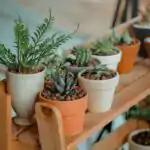
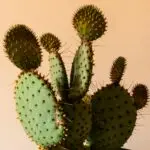
Examples of plants include:
- Mango tree
- Hibiscus plant
- Maize
- Coconut tree
- Rice
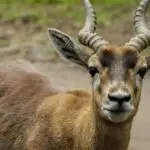
Examples of animals include:
- Goat
- Cow
- Dog
- Fish
- Chicken
Properties of Living and Non-Living Things
Living things show basic characteristics while non-living things do not.
The following are the properties of living things:
- Movement
- Respiration
- Nutrition
- Growth
- Reproduction
- Excretion
- Sensitivity
Non-living things do not show these properties.
Uses and Importance of Living and Non-Living Things
The following are the uses and importance of living and non-living things:
- Plants provide food, oxygen, medicine, and shelter.
- Animals provide food, labour, companionship, and raw materials such as wool and leather.
- Non-living things like water, air, soil, and stone are important for survival and development of living things.
- Non-living things provide tools, shelter, and materials for daily use.
Teaching Methods/Instructional Techniques:
Discussion, Lecture, Explanation, Storytelling, Questioning, Group Work, Visual Aids
Instructional Procedures
To deliver this lesson, the teacher will adopt the following steps:
Step 1: Introduction
Time: 5 minutes
Teaching Skill: Set Induction
Teacher’s Activity: The teacher asks pupils to mention things they saw on their way to school such as trees, goats, cars, or stones and guides them to recall living and non-living things.
Pupils’ Activity: Pupils respond by mentioning observed items.
Learning Point: Pupils recall the existence of living and non-living things.
Step 2: Meaning of Plants and Animals
Time: 7 minutes
Teaching Skill: Explanation
Teacher’s Activity: The teacher explains the meaning of plants and animals and uses charts to show examples.
Pupils’ Activity: Pupils observe and listen attentively.
Learning Point: Pupils understand the meaning of plants and animals.
Step 3: Differences Between Plants and Animals
Time: 10 minutes
Teaching Skill: Discussion
Teacher’s Activity: The teacher lists and explains differences between plants and animals with illustrations.
Pupils’ Activity: Pupils compare and contrast plants and animals.
Learning Point: Pupils identify the differences between plants and animals.
Step 4: Examples and Properties
Time: 8 minutes
Teaching Skill: Demonstration
Teacher’s Activity: The teacher provides examples of plants and animals and lists properties of living and non-living things.
Pupils’ Activity: Pupils give more examples and classify objects as living or non-living.
Learning Point: Pupils can provide examples and state properties of living and non-living things.
Step 5: Uses and Importance
Time: 5 minutes
Teaching Skill: Explanation
Teacher’s Activity: The teacher explains the uses and importance of plants, animals, and non-living things.
Pupils’ Activity: Pupils listen and note down the points.
Learning Point: Pupils understand the importance of plants, animals, and non-living things.
Step 6: Note-Taking
Time: 3 minutes
Teaching Skill: Supervision
Teacher’s Activity: The teacher dictates and writes the board summary for pupils to copy.
Pupils’ Activity: Pupils copy the notes into their exercise books.
Learning Point: Pupils record the lesson content.
Step 7: Evaluation/Review
Time: 5 minutes
Teaching Skill: Questioning
Teacher’s Activity: The teacher evaluates the learning by asking the following questions:
- Define plants and animals.
- Mention three differences between plants and animals.
- Give two examples of plants and two examples of animals.
- State three properties of living things.
- Mention two uses of non-living things.
Pupils’ Activity: Pupils answer the questions individually and in groups.
Learning Point: Pupils demonstrate understanding of the lesson.
Step 8: Conclusion
Time: 2 minutes
Teaching Skill: Reinforcement
Teacher’s Activity: The teacher summarizes the lesson and emphasizes the importance of both living and non-living things in our environment.
Pupils’ Activity: Pupils listen and internalize the main points.
Learning Point: Pupils appreciate the value of plants, animals, and non-living things.
Home Task: Record two correct examples of Differences Between Plants And Animals from the lesson or home environment and explain each in your own words.
Lesson Keywords
- Photosynthesis – the process by which plants make their own food.
- Respiration – the process of breathing in oxygen and breathing out carbon dioxide.
- Excretion – removal of waste products from the body.
- Reproduction – the process of producing young ones.
- Chlorophyll – the green substance in leaves that helps plants make food.
Differentiation
The teacher will use charts, real objects, and group work to engage both visual and auditory learners. Slow learners will receive extra support through peer explanation and simpler examples.
Note for teachers using this lesson plan
Teachers should use local examples of plants, animals, and non-living things to make the lesson relatable. Encourage participation by asking pupils to identify objects around them.
Community Join the conversation Open discussion +