

Class: Junior Secondary School 1 (JSS 1)
Term: 2nd Term
Week: 2
Age: 12 years
Subject: Basic Science And Technology
Curriculum Theme: Basic Science
Previous Lesson: Female and Male Reproductive Organs, Functions and Care
Topic: Environmental Pollution (Part 1)
Subject Matter: Definition of air, soil and water pollution; Causes of air, soil and water pollution (e.g. domestic/industrial waste, fertiliser/insecticides, agricultural, chemical, non‑biodegradable)
Specific Objectives
By the end of the lesson, pupils should be able to:
- Cognitive Domain:
(a) Identify the definitions of air, soil and water pollution.
(b) Explain at least three causes of each type of pollution (air, soil, water). - Affective Domain:
(a) Express concern for the environment by recognising the harm caused by pollution.
(b) Develop willingness to avoid practices that cause pollution in their community. - Psychomotor Domain:
(a) Classify sample waste materials into biodegradable and non‑biodegradable groups.
(b) Participate in a short clean‑up demonstration around the classroom or compound. - Social Domain:
(a) Work in groups to discuss how domestic waste disposal affects water, soil and air quality.
(b) Share group findings with the class and propose one community action to reduce pollution.
Reference Materials
The following resources were used in planning this lesson:
- 9 Years Basic Education Curriculum
- Lagos State Unified Scheme of Work for Junior Secondary Schools
- UNEP/GRID‑Arendal – “Pollution / Nigeria – Interactive Country Fiches” (https://dicf.unepgrid.ch/nigeria/pollution) (dicf.unepgrid.ch)
- Guardian Nigeria News – “Menace of environmental pollution” (https://guardian.ng/opinion/menace-of-environmental-pollution/) (The Guardian Nigeria)
- Relevant Textbooks
Instructional Materials
The teacher will teach this lesson with the aid of:
- Charts of air, soil and water pollution showing pictures of polluted sites
- Samples of waste materials (plastic, organic waste, fertiliser bags)
- A large disposal‑bin diagram labelled “biodegradable” and “non‑biodegradable”
- Projector or video clip showing industrial waste discharge and agricultural run‑off
- Whiteboard and markers
Rationale for the Lesson
Understanding types and causes of pollution empowers pupils to protect their environment and build healthy communities.
Prerequisite/Previous Knowledge
Pupils have previously learned what the environment is and basic human‑environment interactions; they can recognise everyday waste and know that clean air, water and soil are important for living things.
Lesson Content/Board Summary
Environmental Pollution
Air Pollution
Air pollution occurs when harmful substances are introduced into the air.
The following are causes of air pollution:
- Emissions from factories, generators and vehicles.
- Burning of domestic and industrial waste.
- Use of fossil fuels and biomass for cooking in poorly ventilated spaces.
Soil Pollution
Soil pollution happens when chemicals or waste materials contaminate the soil, reducing its fertility and harming living things.
These include causes of soil pollution:
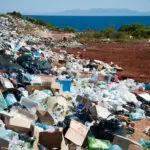
- Disposal of non‑biodegradable waste like plastics and tyres on land.
- Use of agricultural chemicals (fertilisers, insecticides) that seep into the soil.
- Oil spills and industrial waste dumping into land areas.
Water Pollution
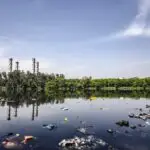
Water pollution is the contamination of water bodies by harmful substances, making them unsafe for use by humans and nature.
They are caused by:
- Discharge of untreated industrial and domestic waste into rivers and lakes.
- Agricultural run‑off carrying fertilisers and insecticides into water bodies.
- Improper disposal of plastics and non‑biodegradable waste that block waterways and degrade water quality.
From Source to Pollutant
Pollution occurs when harmful substances or forms of energy enter the environment at levels that cause damage. Air pollution may come from smoke and harmful gases; water pollution from sewage, oil or chemicals; land pollution from poorly managed waste; and noise pollution from excessive sound. Control begins by identifying the source and preventing or reducing release.
Teaching Methods/Instructional Techniques:
Discussion, Lecture, Explanation, Visual Aids, Group Work
Instructional Procedures
To deliver this lesson, the teacher will adopt the following steps:
Step 1: Introduction (Set Induction)
Time: 5 minutes
Teaching Skill: Set Induction
Teacher’s Activity: Teacher asks pupils to name visible waste around the school premises and lead a short discussion on whether that waste affects air, soil, or water.
Pupils’ Activity: Pupils respond with examples and share observations.
Learning Point: Pupils recall previous knowledge and link it with the concept of pollution.
Step 2: Definition of Types of Pollution
Time: 10 minutes
Teaching Skill: Explanation
Teacher’s Activity: Teacher presents definitions of air pollution, soil pollution, and water pollution and writes them on the board.
Pupils’Activity: Pupils listen and copy the definitions in their notebooks.
Learning Point: Pupils understand the three main types of environmental pollution.
Step 3: Causes of Pollution
Time: 12 minutes
Teaching Skill: Discussion and Visual Aid
Teacher’s Activity: Teacher shows charts and a short clip of pollution causes, then guides pupils to list causes for each pollution type.
Pupils’Activity: Pupils work in groups to list causes and then present to the class.
Learning Point: Pupils recognise key causes of air, soil and water pollution.
Step 4: Waste Classification and Demonstration
Time: 8 minutes
Teaching Skill: Demonstration
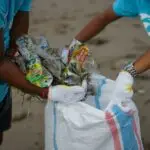
Teacher’s Activity: Teacher shows sample waste materials and sorts them into biodegradable and non‑biodegradable using the chart; then leads a short clean‑up demonstration around the classroom or compound.
Pupils’Activity: Pupils assist in classification and participate in the clean‑up activity.
Learning Point: Pupils practise sorting waste and understand the link to pollution control.
Step 5: Note‑Taking
Time: 5 minutes
Teaching Skill: Explanation
Teacher’s Activity: Teacher dictates the board summary for pupils to copy.
Pupils’Activity: Pupils write the summary in their notebooks.
Learning Point: Pupils record essential lesson content for revision.
Step 6: Evaluation/Review
Time: 3 minutes
Teaching Skill: Questioning
Teacher’s Activity: The teacher evaluates the learning by asking the following questions:
- Name the three types of environmental pollution.
- Give two causes of soil pollution.
- Explain how agricultural fertiliser can cause water pollution.
Pupils’Activity: Pupils answer orally or write short responses.
Learning Point: Pupils demonstrate their achievement of the objectives.
Step 7: Conclusion
Time: 2 minutes
Teaching Skill: Reinforcement
Teacher’sActivity: Teacher summarises the lesson, highlights the need for proper waste disposal and invites pupils to keep their surroundings clean.
Pupils’Activity: Pupils listen and voice one action they will take to reduce pollution.
Learning Point: Pupils commit to responsible actions for environmental protection.
Home Task: Record two correct examples of Environmental Pollution (Part 1) from the lesson or home environment and explain each in your own words.
Lesson Keywords
- Pollution – harmful change in the environment
- Emissions – substances discharged into air or water
- Non‑biodegradable – waste that cannot decayed naturally
- Run‑off – water flow carrying pollutants into water bodies
- Contamination – introduction of harmful substances into soil or water
Differentiation
Provide slower learners with labelled diagrams and simpler examples; challenge advanced learners to suggest additional causes and link them to local context.
Note for teachers using this lesson plan
Ensure safety during the clean‑up activity; supervise waste handling and clarify distinctions between biodegradable and non‑biodegradable materials.

Community Join the conversation Open discussion +