

Class: Junior Secondary School 1 (JSS1, JSS 1)
Term: 2nd Term
Week: 9
Age: 12 years
Duration: 45 minutes
Subject: Basic Science And Technology
Curriculum Theme: Basic Science
Previous Lesson:
Topic: Renewable and Non–Renewable Energy
Subject Matter: Meaning, Examples, Uses and Misuse
Specific Objectives
By the end of the lesson, pupils should be able to:
- Cognitive Domain:
(a) Differentiate between renewable and non-renewable energy sources.
(b) List examples of renewable and non-renewable energy sources.
(c) Explain the uses and misuse of energy resources. - Affective Domain:
(a) Appreciate the need to use energy resources wisely and conserve them for future use. - Psychomotor Domain:
(a) Identify energy sources through charts, pictures, or demonstrations. - Social Domain:
(a) Work in groups to discuss how energy misuse affects their environment and community.
Reference Materials
The following resources were used in planning this lesson:
- 9 Years Basic Education Curriculum
- Lagos State Unified Scheme of Work for Junior Secondary Schools
- U.S. Department of Energy – “Sources of Energy Explained” (https://www.energy.gov/science-innovation/energy-sources)
- Relevant Textbooks
Instructional Materials
The teacher will teach this lesson with the aid of:
- Chart showing various sources of energy
- Pictures of solar panels, coal, oil rigs, and wind turbines
- Sample models of renewable energy systems (e.g. solar toy car)
- Flash cards listing examples of energy sources
- Whiteboard and marker
Rationale for the Lesson
This lesson helps students understand the different sources of energy, their renewability, and how misuse can affect the environment and future energy supply.
Prerequisite/Previous Knowledge
Pupils have previously learned about energy and its forms, and they can identify common energy sources used in homes and schools.
Lesson Content/Board Summary
Renewable and Non–Renewable Energy
Meaning of Renewable and Non–Renewable Energy
Energy is what we use to do work or cause change. Some energy sources can be replaced naturally, while others cannot.
Renewable energy is energy obtained from sources that can be replaced naturally in a short period of time.
Non-renewable energy is energy obtained from sources that cannot be replaced easily once they are used up.
Examples of Renewable and Non–Renewable Energy
Energy sources can be grouped into two main types.
Examples of renewable energy sources include:
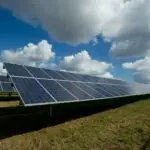
- Solar energy – from the sun.
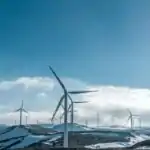
- Wind energy – from moving air.
- Hydro or water energy – from flowing rivers or dams.
- Biomass energy – from decayed plants or animal waste.
- Geothermal energy – from heat inside the earth.
Examples of non-renewable energy sources include:
- Coal – formed from decayed plants.
- Petroleum – extracted from underground deposits.
- Natural gas – found with petroleum underground.
- Nuclear energy – from uranium and other radioactive elements.
Uses of Energy
Energy plays an important role in our daily lives.
The following are the uses of energy:
- It is used for cooking and heating.
- It is used to power machines and vehicles.
- It provides light and electricity.
- It is used for industrial and agricultural purposes.
- It helps in communication and transportation.
Misuse of Energy
Energy misuse happens when energy is wasted or used carelessly, leading to pollution and depletion of resources.
The following are common ways energy is misused:
- Leaving electrical appliances on when not in use.
- Burning fossil fuels unnecessarily.
- Overuse of generators and petrol engines.
- Flaring gas in oil industries.
- Cutting down trees for fuel without replacement.
Teaching Methods/Instructional Techniques:
Discussion, Lecture, Explanation, Question and Answer, Group Work, Demonstration, Visual Aids
Instructional Procedures
To deliver this lesson, the teacher will adopt the following steps:
Step 1: Introduction
Time: 5 minutes
Teaching Skill: Set Induction
Teacher’s Activity: The teacher asks pupils to mention things they use energy for at home, then leads them to recall the different forms of energy learned previously.
Pupils’ Activity: Pupils respond and mention uses of energy such as cooking and lighting.
Learning Point: Pupils are motivated to learn about renewable and non-renewable energy sources.
Step 2: Meaning of Renewable and Non–Renewable Energy
Time: 8 minutes
Teaching Skill: Explanation
Teacher’s Activity: The teacher explains renewable and non-renewable energy using charts and examples.
Pupils’ Activity: Pupils listen, ask questions, and take notes.
Learning Point: Pupils understand the meaning of renewable and non-renewable energy.
Step 3: Examples of Energy Sources
Time: 10 minutes
Teaching Skill: Discussion
Teacher’s Activity: The teacher discusses examples of both renewable and non-renewable energy sources, showing pictures and real-life examples.
Pupils’ Activity: Pupils observe, identify, and differentiate between the two energy types.
Learning Point: Pupils can identify examples of renewable and non-renewable energy.
Step 4: Uses and Misuse of Energy
Time: 10 minutes
Teaching Skill: Explanation and Demonstration
Teacher’s Activity: The teacher explains how energy is used and misused, giving examples such as leaving lights on or fuel wastage.
Pupils’ Activity: Pupils discuss how energy is used at home and school.
Learning Point: Pupils understand the uses and misuse of energy in daily life.
Step 5: Note-Taking
Time: 5 minutes
Teaching Skill: Reinforcement
Teacher’s Activity: The teacher writes the board summary and dictates key points for pupils to copy.
Pupils’ Activity: Pupils write notes in their exercise books.
Learning Point: Pupils retain written records of the lesson content.
Step 6: Evaluation/Review
Time: 5 minutes
Teaching Skill: Questioning
Teacher’s Activity: The teacher evaluates the learning by asking the following questions:
- Differentiate between renewable and non-renewable energy.
- List three examples of renewable energy.
- Mention two examples of non-renewable energy.
- State two uses of energy.
- Mention two ways energy can be misused.
Pupils’ Activity: Pupils answer questions orally.
Learning Point: Pupils recall and demonstrate understanding of the key concepts.
Step 7: Conclusion
Time: 2 minutes
Teaching Skill: Reinforcement
Teacher’s Activity: The teacher summarizes the lesson and emphasizes the importance of conserving energy resources.
Pupils’ Activity: Pupils listen attentively and ask questions where necessary.
Learning Point: Pupils appreciate the need for proper use and conservation of energy.
Home Task: Record two correct examples of Renewable and Non–Renewable Energy from the lesson or home environment and explain each in your own words.
Lesson Keywords
- Energy – the ability to do work.
- Renewable – can be replaced naturally within a short time.
- Non-renewable – cannot be replaced once used up.
- Conservation – careful and wise use of resources.
- Fossil fuels – energy sources formed from decayed plants and animals.
Differentiation
Teacher simplifies explanations for slower learners and uses visual aids. More advanced learners identify extra examples of energy sources and discuss how to conserve them.
Note for teachers using this lesson plan
Ensure all demonstrations are safe. Emphasize environmental effects of misuse and discuss ways to reduce waste. Encourage pupils to practice energy-saving habits at home.

Community Join the conversation Open discussion +