

Class: Primary Four
Term: Second Term
Subject: Basic Science and Technology
Curriculum Theme: Basic Science
Topic: The Human Body: The Mouth
Previous Topic:
Time Allocation: 40 minutes
Learning Content: The Mouth, Types of Teeth, Importance of Oral Hygiene
Previous Lesson:
Performance Objectives
By the end of the lesson, pupils should be able to:
Cognitive Domain
- Describe the functions of different types of teeth.
- Identify and name the different types of teeth in the mouth.
psychomotor Domain
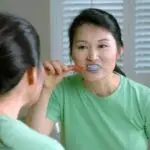
- Demonstrate proper brushing techniques.
Affective Domain
- Develop an appreciation for dental hygiene and its importance.
Social Domain
- Discuss the importance of oral hygiene with peers.
Reference Material
- 9 – Years Basic Education Curriculum
- Abuja Educational Resource Center Scheme of Work
- NAPPS National Unified Scheme of Work
- Relevant Textbooks
Instructional Materials
To deliver this lesson, the teacher will make use of:
- Charts showing different types of teeth
- Toothbrush and toothpaste models
- Pictures of healthy and unhealthy teeth
Entry Behavior/Set Induction
The teacher will begin by asking pupils what they ate for breakfast, prompting a discussion about how they use their mouths to eat. A brief review of the previous lesson will follow.
Rationale
Understanding the mouth and its functions is crucial for maintaining good oral hygiene and overall health. This lesson lays the foundation for future lessons on the digestive system and personal hygiene.
Teaching Method
To deliver this lesson, the teacher will adopt the following methods:
- Discussion
- Exhibition
- Question and answer
Lesson Procedure
Step 1: Introduction
Time: 5 minutes
Teaching Skill: Questioning
Teacher’s Activity: Asks pupils about their breakfast and how they use their mouths to eat.
pupils’ Activity: Respond to the teacher’s questions.
Step 2: Explanation of Key Concepts
Time: 10 minutes
Teaching Skill: Explaining
Teacher’s Activity: Explains the functions of the mouth and introduces the different types of teeth.
Pupils’ Activity: Listen attentively and ask questions.
Step 3: Demonstration/Guided Practice
Time: 10 minutes
Teaching Skill: Demonstrating
Teacher’s Activity: Demonstrates proper brushing techniques using a model toothbrush.
Pupils’ Activity: Observe the demonstration and practice brushing techniques.
Step 4: Independent Practice
Time: 5 minutes
teaching Skill: Monitoring
Teacher’s Activity: Supervises pupils as they practice brushing techniques.
Pupils’ Activity: Practice brushing techniques independently.
Step 5: Note-Taking
time: 5 minutes
Teaching Skill: Guiding
Teacher’s Activity: Guides pupils in taking notes on the key concepts.
Pupils’ Activity: Take notes on the key concepts.
Step 6: Evaluation/Review
time: 5 minutes
Teaching Skill: questioning
Teacher’s Activity: Asks review questions to assess understanding.
Pupils’ Activity: Answer review questions.
Lesson Content
The Mouth
The mouth is a vital part of the human body, essential for eating. It contains teeth, which break down food before digestion.
What are Teeth?
Teeth are hard structures in the mouth used for cutting, tearing, and grinding food.
Types of Teeth
Incisors and Canines
Incisors: Front teeth with sharp edges for cutting and slicing food. They also help bite into food and shape it for chewing.
Canines: pointed teeth next to incisors, used for tearing food and holding it firmly. They also assist in the chewing process.
Premolars and Molars
Premolars: Teeth behind canines with broader surfaces for crushing and grinding food. They break down food and assist in chewing.
Molars: Largest teeth at the back, with flat surfaces and ridges for grinding and crushing food. They are the final stage of chewing, preparing food for swallowing and aiding digestion.
Importance of Oral Hygiene
Good oral hygiene is essential for overall health. It prevents tooth decay and gum disease, which can lead to serious health problems.Regular brushing and flossing remove plaque, preventing cavities and gum disease. Good dental hygiene promotes overall health, keeps teeth strong, and boosts confidence.
Differentiation
For pupils who need extra support, the teacher will provide one-on-one assistance. more advanced pupils can research additional information on dental health.
Evaluation
- What are the main functions of incisors and canines?
- Why is it crucial to maintain good oral hygiene?
- name the four types of teeth and their functions.
- What are some ways to practice good oral hygiene?
- Why is it important to visit a dentist regularly?
Observation
- Pupils’ participation in discussions
- Pupils’ understanding of the different types of teeth
- Pupils’ ability to demonstrate proper brushing techniques
Conclusion
To conclude the lesson, the teacher will summarize the key concepts and assign homework, encouraging pupils to practice good oral hygiene habits at home.
Home Task: Record two correct examples of The Human Body: The Mouth from the lesson or home environment and explain each in your own words.

Community Join the conversation Open discussion +