

Class: Primary Four
Term: First Term
Subject: National Values Education
Curriculum Theme: Social Studies
previous Lesson: Family Relationships
Topic: Wedding Practices in Nigeria
Content/Learning Area: What are wedding Practices?, Different Marriage Practices In Nigeria, the Role Of Culture In Marriage
Time Allocation: 40 minutes
Performance Objectives
By the end of the lesson, pupils should be able to:
- Cognitive Domain:
1. Explain different marriage practices in Nigeria.
2. Understand the role of culture in marriage practices.
3. Recognize the meaning of dowry in some Nigerian cultures.
- Affective Domain:
1. Show respect for different cultural practices.
2. Appreciate the diversity of nigerian cultures.
- Psychomotor Domain:
1. Actively participate in class discussions.
2. Take notes on key concepts.
- Social Domain:
1. Work collaboratively with peers.
2.Share ideas and opinions respectfully.
Reference Materials
- 9 – Years Basic Education Curriculum
- Abuja Educational Resource Center Scheme of Work
- NAPPS National Unified Scheme of Work
- Relevant Textbooks
Instructional Materials
To deliver this lesson, the teacher will use the following materials:
- Whiteboard or chart paper
- Markers or pens
- Relevant pictures or visuals
Rationale for the Lesson
This lesson helps pupils understand and appreciate the diverse cultural practices surrounding marriage in Nigeria, fostering tolerance and respect for different traditions.
Prerequisite/Previous Knowledge
The teacher will begin by asking pupils about their understanding of marriage and different types of celebrations they have witnessed. A brief discussion will follow, leading into the lesson’s topic.
Lesson Content
what are Wedding Practices?
Wedding practices are the customs, traditions, and rituals connected to marriage ceremonies in a specific culture. These can include how the bride and groom dress, the food served, and the ceremonies performed.
Different Marriage Practices In Nigeria
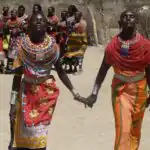
Nigeria is a country with diverse cultures, and each culture has its unique marriage practices. These include:
- Igbo Marriage: Igbo weddings are known for their bright colors and customary clothing. The groom’s family gives a bride price to the bride’s family, and there are several ceremonies, including the “Ikuaka” and “Igba Nkwu” (both involve wine).
- Yoruba Marriage: Yoruba weddings are frequently large and celebratory, with lots of music and dancing. The “Introduction” ceremony, where families meet, is very critically importent. Engagement ceremonies, dowry negotiations, and the giving of gifts are also important.
- Hausa/Fulani Marriage: In northern Nigeria, Hausa/fulani weddings are very customary. The groom’s family gives a dowry (gifts and money) to the bride’s family. The “Kayan Zani” ceremony is important; the bride receives gifts like clothes and jewelry.
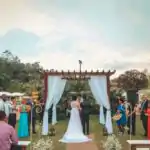
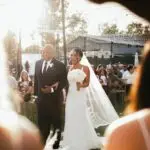
- Christian and Islamic Weddings: Many Nigerians, regardless of their cultural background, have Christian or Islamic weddings. These may include both traditional and religious elements, like church services or islamic prayers. The wedding vows, exchange of rings, and blessings from religious leaders are key components.
- Efik/Ibibio Marriage: These weddings often feature elaborate traditional attire, cultural dances, and the fattening room tradition where the bride is prepared for marriage. The “Mbopo” ceremony is a significant part of the Efik marriage tradition.
the Role Of Culture In Marriage
Culture is very critically important in how weddings are celebrated in Nigeria. Each ethnic group has its own customs and traditions that make each wedding unique and meaningful. Understanding and respecting these cultural aspects is important for building good relationships between different communities.
Teaching Methods
To deliver this lesson, the teacher will adopt the following methods: Discussion, Question and answer, Visual aids
Instructional Procedures
To deliver this lesson, the teacher will adopt the following steps:
Step 1: Introduction
Time: 5 minutes
Teaching Skill: Questioning
Teacher’s Activity: Asks pupils about their understanding of marriage and different celebrations.
Pupils’ Activity: Share their experiences and ideas.
Step 2: Clarification of Key Concepts
Time: 10 minutes
Teaching Skill: explaining
Teacher’s Activity: Explains the meaning of “wedding practices” and their significance.
pupils’ Activity: Listen attentively and ask clarifying questions.
Step 3: Presentation of Nigerian wedding Practices
Time: 10 minutes
Teaching Skill: Demonstrating
Teacher’s Activity: Uses visuals to illustrate different Nigerian wedding practices.
Pupils’ Activity: Observe and participate in discussions.
Step 4: Guided Practice
Time: 5 minutes
Teaching Skill: Guiding
Teacher’s Activity: Guides pupils in answering questions about the lesson.
Pupils’ Activity: Answer questions individually or in groups.
step 5: Note-Taking
Time: 5 minutes
Teaching Skill: Note-taking
Teacher’s Activity: Guides pupils in taking notes on key concepts.
Pupils’ Activity: Write down critically important information.
Step 6: Evaluation/Review
Time: 5 minutes
Teaching Skill: Evaluating
Teacher’s Activity: Reviews the lesson and answers any remaining questions.
Pupils’ Activity: Participate in the review and ask questions.
Objective-aligned checks:
- Explain different marriage practices in Nigeria.
- Show respect for different cultural practices.
Step 7: Conclusion
Time: 2 minutes
Teaching Skill: Summarizing
Teacher’s Activity: Summarizes the key points of the lesson.
Pupils’ Activity: Listen and ask any final questions.
Lesson Keywords
- Wedding Practices – Customs, traditions, and rituals connected to marriage ceremonies.
- Dowry – Gifts and money given by the groom’s family to the bride’s family.
- Culture – The customs, arts, social institutions, and achievements of a particular nation, people, or group.
- Bride Price – Money or property given by the groom’s family to the bride’s family in some cultures.
- Traditions – Beliefs or customs passed down from one generation to another.
Lesson Evaluation
to evaluate the learning, the teacher asks pupils to:
- name three different marriage practices in Nigeria.
- What is the importance of a dowry in some Nigerian cultures?
- Why is it important to respect different marriage practices in Nigeria?
- What are some cultural elements often included in Nigerian weddings?
- How can understanding different marriage practices help build a more inclusive society?
Assignment/Homework
- Research and write about a specific Nigerian wedding tradition not discussed in class.
- Interview a family member or community member about their wedding experience and cultural traditions.
- Draw or create a visual representation of a Nigerian wedding ceremony.
differentiation
- For slower learners: Provide one-on-one assistance and simplified explanations.
- For advanced learners: Encourage them to research and present on additional Nigerian wedding traditions.
- For visual/auditory/kinesthetic learners: use visual aids, discussions, and hands-on activities to cater to different learning styles.
Note for Teachers
Encourage pupils to share their own cultural experiences and perspectives to create a more inclusive and engaging learning environment. Emphasize the importance of respect and understanding towards different cultural practices.

Community Join the conversation Open discussion +