

Class: Junior Secondary School 2 (JSS2, JSS 2)
Term: 1st Term
Week: 4
Age: 13 years
Duration: 45 minutes
Subject: National Values Education
Curriculum Theme: Social Studies
Previous Lesson: Advantages of Living Together as One Family
Topic: Concept Of Marriage
Subject Matter: Definition and types of marriage, Customs in marriage
Specific Objectives
By the end of the lesson, pupils should be able to:
- Cognitive Domain:
(a) Define marriage and identify the types of marriage.
(b) Explain the customs and traditions associated with marriage in Nigeria. - Affective Domain:
(a) Show respect for cultural differences in marriage practices.
(b) Appreciate the role of marriage in building family and society. - Psychomotor Domain:
(a) Role-play simple marriage customs in groups. - Social Domain:
(a) Work cooperatively in groups to share experiences on cultural marriage traditions.
Reference Materials
The following resources was used in planning this lesson:
- 9 Years Basic Education Curriculum
- Lagos State Unified Scheme of work for Junior Secondary Schools
- Britannica – Marriage | Definition, History, Types, Customs, Laws, & Facts
- Relevant Textbooks
Instructional Materials
The teacher will teach this lesson with the aid of:
- Charts showing different types of marriage
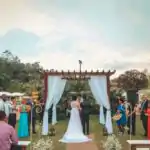
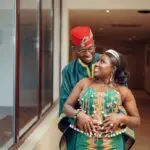
- Pictures of traditional and religious wedding ceremonies
- Flash cards with key terms such as “monogamy” and “polygamy”
- Short video clips of cultural marriage ceremonies
- Whiteboard and markers
Rationale for the Lesson
This lesson helps students understand the meaning, types, and customs of marriage in Nigeria, promoting cultural awareness and appreciation of family values.
Prerequisite/Previous Knowledge
Pupils are familiar with family structures and relationships, and they have observed marriage ceremonies in their communities or on television.
Lesson Content/Board Summary
Concept of Marriage
Marriage is a legally or culturally recognized union between a man and a woman, or sometimes more, which establishes rights and obligations between the parties involved and their families. It is a social institution that builds families and strengthens society.
Types of Marriage
Different societies practice different forms of marriage based on culture, religion, or law.
The following are the main types of marriage:
- Monogamy – marriage between one man and one woman.
- Polygamy – marriage where a man marries more than one wife.
- Polyandry – marriage where a woman marries more than one husband (rare and less common).
- Christian marriage – conducted according to Christian faith and usually monogamous.
- Islamic marriage – conducted under Islamic laws, allows up to four wives if treated equally.
- Customary marriage – conducted according to the traditions and customs of a community.
- Civil marriage – conducted under the law by government authority.
Customs in Marriage
Customs in marriage vary from one culture to another, but they serve to unite families and give social approval to the union.
The following are common customs in marriage:
- Payment of bride price or dowry.
- Exchange of gifts between families.
- Traditional ceremonies with songs, dances, and rituals.
- Seeking consent from the families of the bride and groom.
- Observing cultural rites such as engagement ceremonies.
- Religious or spiritual blessings of the marriage.
- Feasting and celebration with family and community members.
Teaching Methods/Instructional Techniques:
Discussion, Lecture, Explanation, Storytelling, Demonstration, Group Work, Question and Answer, Use of Visual Aids
Instructional Procedures
To deliver this lesson, the teacher will adopt the following steps:
Step 1: Introduction
Time: 5 minutes
Teaching Skill: Set Induction
Teacher’s Activity: Teacher begins with a short story of a recent wedding and asks pupils to share marriage customs they have seen in their communities.
Pupils’ Activity: Pupils respond by sharing their observations.
Learning Point: Pupils are connected to the lesson topic through real-life examples.
Step 2: Concept of Marriage
Time: 7 minutes
Teaching Skill: Explanation
Teacher’s Activity: Teacher defines marriage and explains its purpose as a social institution.
Pupils’ Activity: Pupils listen and take notes.
Learning Point: Pupils understand the concept of marriage.
Step 3: Types of Marriage
Time: 10 minutes
Teaching Skill: Discussion
Teacher’s Activity: Teacher lists and explains different types of marriage with examples and uses charts for clarity.
Pupils’ Activity: Pupils participate in discussion and ask questions.
Learning Point: Pupils identify and differentiate types of marriage.
Step 4: Customs in Marriage
Time: 10 minutes
Teaching Skill: Storytelling and Demonstration
Teacher’s Activity: Teacher explains common marriage customs and shows pictures or short clips of marriage ceremonies.
Pupils’ Activity: Pupils watch, listen, and role-play selected customs.
Learning Point: Pupils learn cultural practices and customs in marriage.
Step 5: Note-Taking
Time: 5 minutes
Teaching Skill: Explanation
Teacher’s Activity: Teacher writes the board summary for pupils to copy.
Pupils’ Activity: Pupils copy the notes into their books.
Learning Point: Pupils have accurate records of the lesson.
Step 6: Evaluation/Review
Time: 5 minutes
Teaching Skill: Questioning
Teacher’s Activity: The teacher evaluates the learning by asking the following questions:
- Define marriage.
- Mention four types of marriage.
- State three common marriage customs in Nigeria.
Pupils’ Activity: Pupils answer questions orally.
Learning Point: Pupils demonstrate their understanding of the lesson.
Step 7: Conclusion
Time: 3 minutes
Teaching Skill: Reinforcement
Teacher’s Activity: Teacher summarizes the lesson, reinforces main points, and encourages respect for cultural practices in marriage.
Pupils’ Activity: Pupils listen and reflect.
Learning Point: Pupils appreciate marriage as a cultural and social institution.
Lesson Keywords
- Marriage – a union between man and woman recognized by law, religion, or custom
- Monogamy – marriage between one man and one woman
- Polygamy – marriage involving one man and multiple wives
- Dowry/Bride price – money or gifts paid by the groom’s family to the bride’s family
- Custom – traditional way of doing things in a community
Differentiation
Support slower learners with repeated explanations and visual aids, while advanced learners can lead group discussions or role-plays of marriage customs.
Note for teachers using this lesson plan
Encourage pupils to share examples from their culture but avoid promoting one custom over another. Emphasize respect for diversity in marriage practices.


Community Join the conversation Open discussion +