

Note for teachers using this lesson plan
This lesson introduces Primary 1 pupils to the concept of traditional title holders in their community. Teachers should prepare by gathering pictures or inviting a local traditional title holder, if feasible and safe, to make the lesson concrete. Emphasise respect for these community leaders. By the end of the lesson, pupils should be able to identify some traditional title holders and their distinguishing symbols, understanding their role in the community. Teachers are to replace the examples of traditional title holders with those specific to their own state and Local Government Area/Community.
Class: Primary 1
Term: Third Term
Week: 2
Age: 6 years
Duration: 45 minutes
Subject: Nigerian History
Curriculum Theme: Political Developments
Focal competence: Respecting traditional title holders in their locality and LGA
Skills:
- Identification of title holders and their duties in the community
Previous Lesson: Traditional title holder and familiar local examples
Topic: Traditional Title Holders: Identification
Subject Matter: Various traditional title holders in the community
Specific Objectives
By the end of the lesson, pupils should be able to:
Cognitive Domain
- Identify various traditional title holders in the community.
Reference Materials
The following resources were used in planning this lesson:
- 2025 Revised 9 Years Basic Education Curriculum
- Relevant State Unified Scheme of Work
- Nigerian Primary History for Primary 1, by A. B. Musa and C. E. Okoro
- The HeadTeacher Scheme of work
Instructional Materials
The teacher will teach this lesson with the aid of:
- Pictures of traditional title holders in the community
- Video clips of traditional title holders in the community
- A Traditional title holder in the community (if possible)
- Verified local photographs, objects or oral accounts
Rationale for the Lesson
This lesson helps pupils understand the traditional leadership structures within their communities. It fosters respect for cultural heritage and the roles played by various title holders in maintaining peace and order. Understanding these roles is foundational for appreciating the diverse political developments in Nigerian history.
Prerequisite/Previous Knowledge
Pupils have learned about different people in their community and may have seen traditional leaders or elders in their homes or at community events.
Lesson Content/Board Summary
Traditional Title Holders: Identification
Meaning of Traditional Title Holders
Traditional title holders are respected men and women in the community who have been given special positions or names by the traditional ruler. They help the traditional ruler to lead and take care of the people.
Examples of Traditional Title Holders in the Community
In many Nigerian communities, including those in the FCT (like Abuja Municipal Area Council), there are different title holders. Some common examples include:
- Chiefs/Elders: These are respected people who advise the traditional ruler.
- Village Heads/District Heads: They help the traditional ruler to look after smaller areas or villages.
- Sarkin Noma (Chief of Farmers): A title holder who looks after farmers and farming activities.
- Magajiya (Female Title Holder): A respected woman who helps the traditional ruler with matters concerning women and children in some communities.
Note to pupils: Your teacher will tell you the names of title holders in your own community.
Symbols of Traditional Title Holders
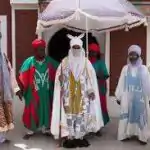
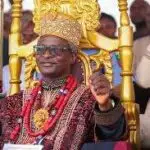
Traditional title holders often have special things they wear or carry to show their position. These can include:
- Special caps or head ties.
- Beads or necklaces.
- Staffs or walking sticks.
- Unique traditional clothes.
Difference Between a Traditional Ruler and a Title Holder
A traditional ruler (like an Emir, Oba, or Etsu) is the overall head of the entire community or kingdom. They are like the main leader.
A traditional title holder is someone who helps the traditional ruler. They have a special job or role under the traditional ruler to assist in managing the community.
Teaching Methods/Instructional Techniques
Discussion, Explanation, Question and Answer, Observation, Show and Tell
Instructional Procedures
Step 1: Introduction
Time: 5 minutes
Teaching Skill: Activating Prior Knowledge
Teacher’s Activity: The teacher greets the pupils and asks them to mention some important people they know in their community. The teacher then tells them that today’s lesson is about special people called traditional title holders.
Pupils’ Activity: Pupils respond to greetings and mention people like parents, teachers, doctors, and chiefs. They listen attentively.
Learning Point: Introduction to topic
Step 2: Explanation of Traditional Title Holders
Time: 8 minutes
Teaching Skill: Explaining
Teacher’s Activity: The teacher explains what traditional title holders are using simple language and local examples (e.g., “They are respected people given special names to help our main chief”). The teacher uses pictures of local title holders to illustrate.
Pupils’ Activity: Pupils listen, observe the pictures, and try to state the meaning in simple terms.
Learning Point: Meaning of title holders
Step 3: Examples of Title Holders
Time: 8 minutes
Teaching Skill: Illustrating/Naming
Teacher’s Activity: The teacher provides examples of traditional title holders from the local community or FCT/AMAC context (e.g., “In our community, we have people like the Galadima, Sarkin Noma, or the Magajiya”). The teacher shows pictures for each example.
Pupils’ Activity: Pupils listen and try to repeat the names of the title holders. They look at the pictures.
Learning Point: Names of title holders
Step 4: Symbols of Title Holders
Time: 7 minutes
Teaching Skill: Describing
Teacher’s Activity: The teacher explains and shows pictures of the special clothes, caps, beads, or staffs that traditional title holders use to show their position. The teacher asks pupils what they observe in the pictures.
Pupils’ Activity: Pupils observe the pictures and describe the symbols they see.
Learning Point: Identifying title symbols
Step 5: Differentiating Ruler and Title Holder
Time: 5 minutes
Teaching Skill: Comparing
Teacher’s Activity: The teacher briefly explains the difference between a traditional ruler (the main head) and a traditional title holder (who helps the ruler), using simple analogies like a school principal and a class teacher.
Pupils’ Activity: Pupils listen and try to understand the difference between the two roles.
Learning Point: Ruler vs. title holder
Step 6: Guided Practice/Discussion
Time: 3 minutes
Teaching Skill: Reinforcement
Teacher’s Activity: The teacher shows more pictures and asks pupils to identify if the person is a traditional ruler or a title holder, and to point out any symbols they see.
Pupils’ Activity: Pupils actively participate by identifying and pointing out symbols.
Learning Point: Practising identification
Step 7: Evaluation/Review
Time: 5 minutes
Teaching Skill: Questioning/Assessment
Teacher’s Activity: The teacher evaluates the learning by asking the following questions:
- Who is a traditional title holder?
- Mention two traditional title holders in our community.
- What special things do title holders wear or carry?
Pupils’ Activity: Pupils answer orally and in writing.
Learning Point: Identifying title holders
Step 8: Note-Taking
Time: 4 minutes
Teaching Skill: Guided Writing
Teacher’s Activity: The teacher guides pupils to copy the essential Board Summary notes about traditional title holders, their examples, and symbols into their notebooks.
Pupils’ Activity: Pupils copy the notes carefully into their notebooks.
Learning Point: Recording lesson notes
Step 9: Conclusion
Time: 2 minutes
Teaching Skill: Summarising
Teacher’s Activity: The teacher briefly reminds pupils about the importance of respecting traditional title holders in their community and thanks them for participating.
Pupils’ Activity: Pupils listen and acknowledge the importance of the lesson.
Learning Point: Respect for title holders
Continuous Assessment/Further Study
Type: Homework
Instruction: Draw and colour one traditional title holder from your community and write their name below the drawing.
- Draw a picture of a traditional title holder you know.
- Label the picture with their title.
- Show any special symbols they wear.
Lesson Keywords
- Traditional – Relating to old customs and ways of doing things.
- Title Holder – A respected person given a special position or name in the community.
- Community – The people living in one area or place.
- Ruler – The main leader of a community or kingdom.
- Symbols – Special things that represent something else.
Differentiation
For pupils who need extra support, the teacher will provide simplified pictures with labels and guide them individually to identify title holders. Faster learners can be encouraged to mention more title holders or draw more detailed pictures of their symbols.
Suggested Lesson Videos
For further understanding, search on YouTube for: traditional title holders nigeria primary 1
Teacher Guide for Using This Lesson Plan
Before the lesson, ensure you have clear, age-appropriate pictures of traditional title holders relevant to your specific community or LGA. If possible, invite a local title holder to speak briefly to the class, ensuring all necessary permissions and safety protocols are in place. Begin by engaging pupils with what they already know about community leaders. Guide them through the explanation of who traditional title holders are, using the visual aids. When discussing examples, strongly emphasise those from your local context, replacing the generic FCT/AMAC examples provided in the Board Summary. Clearly explain the difference between a traditional ruler and a title holder. Encourage pupils to actively participate in discussions and identification activities. During Step 8, guide pupils to copy the Board Summary notes carefully. Check for understanding throughout the lesson by asking simple questions and observing their participation. Provide individual support for pupils struggling to grasp the concepts and challenge faster learners to recall more details or examples.

Community Join the conversation Open discussion +