

Note for teachers using this lesson plan
This lesson introduces Primary 1 pupils to the concept of community heroes and heroines by focusing on their contributions. Teachers should prepare verified pictures or simple oral accounts of local heroes and heroines relevant to their specific state and community, replacing the examples provided in this plan where appropriate. By the end of the lesson, pupils should be able to identify individuals who have made significant contributions and understand why their actions are remembered.
Class: Primary 1
Term: Second Term
Week: 3
Age: 6 years
Duration: 45 minutes
Subject: Nigerian History
Curriculum Theme: People and Places in the Community
Focal competence: Demonstrating the spirit of service to the community
Skills:
- Identification of major heroes and heroines in the community
Previous Lesson: Names and Identification of Major Heroes and Heroines in the Community
Topic: Heroes And Heroines In The Community: Contributions
Subject Matter: Contributions of identified heroes/heroines to the community
Specific Objectives
By the end of the lesson, pupils should be able to:
Cognitive Domain
- State selected contributions of identified heroes or heroines.
Psychomotor Domain
- Match an identified person to a verified contribution.
Reference Materials
The following resources were used in planning this lesson:
- 2025 Revised 9 Years Basic Education Curriculum
- Relevant State Unified Scheme of Work
- Primary 1 Nigerian History Textbook
- The HeadTeacher Scheme of work
Instructional Materials
The teacher will teach this lesson with the aid of:
- Pictures and magazines showing heroes and heroines in the community
- Video clips of heroes and heroines in the community
- Verified local photographs, objects or oral accounts
- Local map or official information where required
Rationale for the Lesson
This lesson helps pupils understand the importance of good deeds and service to the community. It encourages them to appreciate individuals who have made positive impacts, fostering a sense of civic responsibility and inspiring them to contribute positively in their own ways.
Prerequisite/Previous Knowledge
Pupils can identify different people in their community and understand simple actions of helping others.
Lesson Content/Board Summary
Contributions of Community Heroes and Heroines
Heroes and heroines are special people who do great and good things to help their community and make life better for others.
Examples of Heroes and Heroines and their Contributions
Dr. Stella Adadevoh
Problem: A very bad sickness (Ebola) was spreading in Nigeria.
Contribution: She bravely stopped the sickness from spreading to many people by identifying the first case and ensuring proper isolation.
People who benefited: Many Nigerians whose lives were saved from the deadly sickness.
Why remembered: For her courage, sacrifice, and for saving many lives.
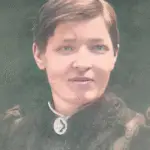
Mary Slessor
Problem: In some communities long ago, twin babies were not accepted and were sometimes harmed.
Contribution: She stopped this bad practice and cared for twin babies, showing love and kindness to them and their families.
People who benefited: Twin babies and their families, who learned to accept and love them.
Why remembered: For her kindness, bravery, and for protecting children.
Local Community Heroes/Heroines
These are people in our own community who help solve problems and make things better. They might:
- Help to clean up the environment.
- Give food or clothes to people who need them.
- Teach children important things.
- Help keep the community safe.
We remember them because their good deeds help everyone in the community.
Teaching Methods/Instructional Techniques
Discussion, Explanation, Question and Answer, Storytelling, Picture Presentation, Matching Activity
Instructional Procedures
Step 1: Introduction
Time: 5 minutes
Teaching Skill: Storytelling/Engagement
Teacher’s Activity: The teacher greets the pupils and asks them if they know anyone who has done something very good to help others in their family or community. The teacher tells a short, simple story about someone who helped solve a problem in a community.
Pupils’ Activity: Pupils respond to the teacher’s questions and listen to the story.
Learning Point: Introduction to heroes
Step 2: Identifying Dr. Stella Adadevoh’s Contribution
Time: 8 minutes
Teaching Skill: Picture Presentation/Explanation
Teacher’s Activity: The teacher presents a picture of Dr. Stella Adadevoh and tells a simplified story of how she bravely stopped the Ebola sickness from spreading in Nigeria, saving many lives. The teacher highlights the problem she solved and who benefited.
Pupils’ Activity: Pupils observe the picture and listen to the story of Dr. Stella Adadevoh’s contribution.
Learning Point: Dr. Adadevoh’s contribution
Step 3: Identifying Mary Slessor’s Contribution
Time: 8 minutes
Teaching Skill: Storytelling/Discussion
Teacher’s Activity: The teacher presents a picture of Mary Slessor and tells a simplified story of how she helped stop the killing of twin babies and cared for them, showing great kindness. The teacher explains the problem she solved and who benefited.
Pupils’ Activity: Pupils observe the picture and listen to the story of Mary Slessor’s contribution.
Learning Point: Mary Slessor’s contribution
Step 4: Discussing Local Community Heroes
Time: 5 minutes
Teaching Skill: Question and Answer/Brainstorming
Teacher’s Activity: The teacher asks pupils if they know any people in their own community who do good things to help others (e.g., clean the environment, help the needy, teach children). The teacher gives examples of simple contributions local heroes might make.
Pupils’ Activity: Pupils share ideas about people who help in their community.
Learning Point: Local heroes’ contributions
Step 5: Matching Heroes to Contributions
Time: 5 minutes
Teaching Skill: Guided Practice/Matching
Teacher’s Activity: The teacher writes names of heroes (e.g., Dr. Stella Adadevoh, Mary Slessor) on one side of the board and their contributions (e.g., stopped Ebola, cared for twins) on the other. The teacher guides pupils to match each hero to their correct contribution.
Pupils’ Activity: Pupils participate in matching heroes to their contributions.
Learning Point: Matching heroes to deeds
Step 6: Why Contributions are Remembered
Time: 5 minutes
Teaching Skill: Explanation/Discussion
Teacher’s Activity: The teacher explains why the contributions of these heroes and heroines are remembered, emphasizing their bravery, kindness, and the positive impact they had on many lives. The teacher encourages pupils to think about how good deeds make a difference.
Pupils’ Activity: Pupils listen and contribute to the discussion on why heroes are remembered.
Learning Point: Remembering good deeds
Step 7: Evaluation/Review
Time: 5 minutes
Teaching Skill: Questioning/Assessment
Teacher’s Activity: The teacher evaluates the learning by asking the following questions:
- Who is Dr. Stella Adadevoh and what good thing did she do?
- Who is Mary Slessor and how did she help children?
- Mention one good thing a hero in our community can do.
- Match the hero to their contribution:
- Dr. Stella Adadevoh
- Mary Slessor
- Cared for twin babies
- Stopped Ebola sickness
Pupils’ Activity: Pupils answer orally and in writing.
Learning Point: Contributions of heroes
Step 8: Note-Taking
Time: 4 minutes
Teaching Skill: Guided Writing
Teacher’s Activity: The teacher guides pupils to copy the essential Board Summary notes about heroes and their contributions into their notebooks.
Pupils’ Activity: Pupils copy the notes carefully into their notebooks.
Learning Point: Recording lesson notes
Step 9: Conclusion
Time: 0 minutes
Teaching Skill: Reinforcement
Teacher’s Activity: The teacher reminds pupils that heroes and heroines are people who do good things for others and encourages them to always try to help people around them. The teacher ends the lesson with a positive remark.
Pupils’ Activity: Pupils listen and reflect on the lesson.
Learning Point: Importance of service
Continuous Assessment/Further Study
Type: Homework
Instruction: Draw a picture of someone you know who helps people in your community and write one sentence about what they do.
- Draw a picture of a community helper you know.
- Write one sentence about how they help the community.
Lesson Keywords
- Hero – A person admired for courage or outstanding achievements.
- Heroine – A woman admired for courage or outstanding achievements.
- Contribution – The part played by a person in bringing about a result or helping something.
- Community – A group of people living in the same place or having a particular characteristic in common.
- Service – The action of helping or doing work for someone.
Differentiation
For weaker learners: Provide pre-printed pictures of heroes and their contributions for them to simply point to or circle. Simplify the stories further and repeat key facts. Engage them in one-on-one matching activities.
For faster learners: Encourage them to name other heroes they know or to think of more ways people can contribute to the community. Ask them to describe the contributions in their own words.
Suggested Lesson Videos
For videos on community heroes and their contributions, search on YouTube for: Primary 1 community heroes Nigeria
Teacher Guide for Using This Lesson Plan
Before the lesson, gather clear pictures or prepare simple oral accounts of Dr. Stella Adadevoh, Mary Slessor, and ideally, one or two local heroes/heroines from your specific community. Ensure the stories are simplified and age-appropriate for Primary 1 pupils. Begin by engaging pupils with a relatable story about helping others. Introduce each hero/heroine one by one, clearly stating the problem they addressed, their contribution, and who benefited. During the matching activity (Step 5), ensure all pupils participate, providing individual support as needed. Guide pupils to understand that contributions can be big or small but are always important. Learners should copy the Board Summary notes in Step 8. Constantly check for understanding through simple questions and encourage pupils to share their thoughts. For weaker learners, use more visual aids and direct questions. For faster learners, prompt them to elaborate and think critically about the impact of the heroes’ actions.
Community Join the conversation Open discussion +