

Note for teachers using this lesson plan
This lesson focuses on helping Primary 1 pupils identify and understand the importance of key places within their Local Government Area. Prepare visual aids such as pictures, charts, or a simple map of Abuja Municipal Area Council (AMAC) showing places like markets, schools, health centres, and the LGA secretariat. Encourage pupils to orally describe these places and their functions. By the end of the lesson, pupils should be able to name and explain the importance of several important places in their local community.
Class: Primary One
Term: First Term
Week: 9
Age: 6 years
Duration: 45 minutes
Subject: Nigerian History
Curriculum Theme: Origins and Peopling
Focal competence: Identifying other ethnic groups in the community and promoting tolerance among ethnic groups
Key competencies/values: Tolerance
Skills:
- Environmental Literacy (exposure to local and neighbouring environments)
Previous Lesson: Important places in the immediate community
Topic: Peoples And Places In The Community: Important Places In The Lga
Subject Matter: Important places in the Local Government Area
Specific Objectives
By the end of the lesson, pupils should be able to:
Cognitive Domain
- Identify at least three important places in the Local Government Area.
- State the general location of at least two important places in the Local Government Area.
- Mention why two identified places are important to the community.
Affective Domain
- Appreciate the importance of public places to the community.
- Show respect for important places in the Local Government Area.
Psychomotor Domain
- Point to identified important places on a map or picture.
Social Domain
- Discuss with peers about the functions of important community places.
Reference Materials
The following resources were used in planning this lesson:
- 2025 Revised 9 Years Basic Education Curriculum
- Relevant State Unified Scheme of Work
- A suitable Nigerian History textbook for Primary 1
- The HeadTeacher Scheme of work
Instructional Materials
The teacher will teach this lesson with the aid of:
- Pictures of important places in the Abuja Municipal Area Council (e.g., market, school, health centre, police station, LGA secretariat)
- Charts showing simple locations of these places
- A simple map of the Local Government Area
- Video clips (if available) showing people using these places
Rationale for the Lesson
This lesson helps pupils understand their immediate environment by identifying important places in their Local Government Area. It fosters civic awareness by explaining the functions of these places and how they serve the community. Understanding these roles helps pupils appreciate the services available and encourages responsible behaviour in public spaces.
Prerequisite/Previous Knowledge
Pupils are familiar with their immediate surroundings, such as their home, street, and school environment.
Lesson Content/Board Summary
Important Places In The Local Government Area
Examples of Important Places in Abuja Municipal Area Council (AMAC)
Some important places in our Local Government Area (AMAC) include:
- Market: A place where people buy and sell food and other goods.
- School: A place where children learn and teachers teach.
- Primary Health Centre/Hospital: A place where sick people go to get treatment and get well.
- Police Station: A place where police officers work to keep people safe and maintain law and order.
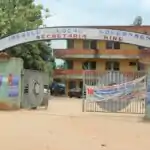
- Local Government Area Secretariat: The main office where leaders of the Local Government Area work to manage the community.
- Park/Recreational Centre: A place where people can relax, play, and have fun.
Why These Places Are Important
These places are important because they:
- Provide essential services to everyone in the community.
- Help people live safely and comfortably.
- Are used by many different people from various ethnic groups, making the community work together.
- Help the Local Government Area to grow and develop.
Teaching Methods/Instructional Techniques
Discussion, Question and Answer, Observation, Picture Identification, Guided Practice
Instructional Procedures
Step 1: Introduction
Time: 5 minutes
Teaching Skill: Questioning/Engagement
Teacher’s Activity: The teacher greets the pupils and asks them to name some places they know in their neighbourhood, like their school or a nearby shop. The teacher then introduces the topic: “Important Places in our Local Government Area.”
Pupils’ Activity: Pupils respond to the greetings and name familiar places. They listen attentively to the introduction.
Learning Point: Familiar community places.
Step 2: Identifying Important Places
Time: 7 minutes
Teaching Skill: Visual Identification
Teacher’s Activity: The teacher displays pictures or charts of various important places in the Abuja Municipal Area Council (AMAC), such as a market, a school, a primary health centre, a police station, and the LGA secretariat. The teacher names each place clearly.
Pupils’ Activity: Pupils observe the pictures/charts and repeat the names of the places after the teacher.
Learning Point: Names of important places.
Step 3: Discussing Location
Time: 7 minutes
Teaching Skill: Description/Guidance
Teacher’s Activity: Using the pictures or a simple map, the teacher guides pupils to describe the general location of each place (e.g., “The market is usually in a busy area,” “The school is often near homes”).
Pupils’ Activity: Pupils try to describe where these places are generally found or point to them on a map/chart.
Learning Point: General place locations.
Step 4: Understanding Importance
Time: 7 minutes
Teaching Skill: Explanation/Inquiry
Teacher’s Activity: The teacher asks pupils “Why is a market important?” “Why is a school important?” “Why do we need a hospital?” and explains the main function of each place, emphasizing how they help everyone in the community.
Pupils’ Activity: Pupils offer simple answers and listen to the teacher’s explanations about the importance of each place.
Learning Point: Functions of important places.
Step 5: Group Activity – Matching
Time: 5 minutes
Teaching Skill: Collaborative Learning
Teacher’s Activity: The teacher divides pupils into small groups and gives each group simple cards with pictures of important places and separate cards with their functions. Pupils are asked to match the places to their correct functions.
Pupils’ Activity: Pupils work in groups to match the places with their importance. The teacher monitors and assists.
Learning Point: Place-function association.
Step 6: Reinforcement
Time: 5 minutes
Teaching Skill: Review/Recap
Teacher’s Activity: The teacher brings the class together, reviews the important places identified, and asks pupils to briefly state why each place is important, reinforcing the lesson’s key points.
Pupils’ Activity: Pupils respond by naming places and their importance, confirming their understanding.
Learning Point: Key places and their roles.
Step 7: Evaluation/Review
Time: 5 minutes
Teaching Skill: Questioning/Assessment
Teacher’s Activity: The teacher evaluates the learning by asking the following questions:
- Name two important places in our Local Government Area.
- Where do we go when we are sick?
- What do people do at the market?
- Why is the police station important?
Pupils’ Activity: Pupils answer orally and in writing.
Learning Point: Identification of important places.
Step 8: Note-Taking
Time: 4 minutes
Teaching Skill: Guided Writing
Teacher’s Activity: The teacher guides pupils to copy the essential Board Summary notes about important places and their importance into their notebooks.
Pupils’ Activity: Pupils copy the notes carefully into their notebooks.
Learning Point: Recording lesson summary.
Step 9: Conclusion
Time: 2 minutes
Teaching Skill: Consolidation
Teacher’s Activity: The teacher briefly summarizes the lesson, reminding pupils that these places are important for everyone in the community and we must take care of them. The teacher praises pupils for their participation.
Pupils’ Activity: Pupils listen and acknowledge the importance of community places.
Learning Point: Value of community places.
Continuous Assessment/Further Study
Type: Homework
Instruction: Complete the following tasks in your notebook:
- Draw a picture of your favourite important place in our Local Government Area.
- Write one simple sentence about why that place is important to you or your family.
Lesson Keywords
- Local Government Area – The smallest unit of government in Nigeria, responsible for local services.
- Market – A public place where goods are bought and sold.
- School – An institution for educating children.
- Hospital – A place where sick or injured people are given medical care.
- Police Station – The local headquarters of the police force.
- Secretariat – The main administrative office of the Local Government Area.
Differentiation
For weaker learners: Provide pre-labelled pictures of important places and guide them to simply point and name. Pair them with stronger learners during group activities. Focus on identifying just two key places and their importance.
For stronger learners: Encourage them to name more important places in the LGA not discussed in class. Ask them to describe the activities that take place in each location in more detail or explain how different people use the same place.
Suggested Lesson Videos
Search on YouTube for: “Important places in Abuja Municipal Area Council for kids” or “Community places Primary 1 Nigeria”
Teacher Guide for Using This Lesson Plan
Before the lesson, ensure you have clear, colourful pictures or charts of important places in the Abuja Municipal Area Council (AMAC) such as a market, school, health centre, police station, and the LGA secretariat. A simple map of AMAC can also be very useful. Begin by engaging pupils with familiar places before introducing the concept of important places in the LGA. Guide them through identifying each place, discussing its general location, and explaining its importance using simple language. Encourage active participation through questioning and the group matching activity. During the evaluation, ensure questions directly assess the pupils’ ability to identify and state the importance of these places. Guide pupils clearly when they are copying the Board Summary notes, ensuring they understand what they are writing. Conclude by reinforcing the idea that these places are vital for community life and should be respected.

Community Join the conversation Open discussion +