

Class: Primary One
term: First Term
Subject: History
Curriculum Theme:
Previous lesson: Different Kinds of History
Topic: Different Kinds of History
content/Learning Area: Different Kinds of History, africa history, family history, Nation history, World history
Time Allocation: 40 minutes
Performance Objectives
By the end of the lesson, pupils should be able to:
- Cognitive Domain:
– Mention two different kinds of history.
– Understand the difference between africa history and family history.
– Identify examples of ancient events from different kinds of history.
- Affective Domain:
– Show interest in learning about history.
– Appreciate the importance of learning about different kinds of history.
- Psychomotor Domain:
– Actively participate in class discussions.
– Take notes on the different kinds of history.
- Social Domain:
– Work cooperatively with classmates.
– Share their family history stories with the class.
Reference Materials
- 9 – years Basic Education Curriculum
- Abuja Educational Resource center Scheme of Work
- NAPPS National Unified Scheme of Work
- Relevant Textbooks
Instructional Materials
To deliver this lesson, the teacher will use a whiteboard or chart paper, markers, and relevant pictures or illustrations.
Rationale for the Lesson
Understanding different kinds of history helps pupils connect with their past, understand their heritage, and appreciate diverse cultures and events. This foundation is crucial for future learning.
Prerequisite/Previous Knowledge
The teacher will start by asking pupils what thay know about history. A brief discussion will follow, leading into the introduction of different types of history.
Lesson Content
Different Kinds of History
History is about events from the past. There are many types of history.
Africa History
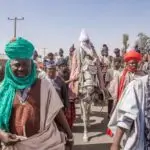
This is the history of the African continent, its people, cultures, and events. It includes ancient civilizations, kingdoms, empires, struggles for independence, and modern challenges. Learn more about African history here.
family History
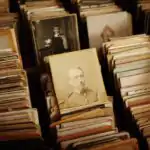
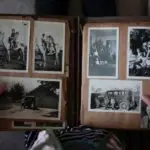
This is the history of your family—your ancestors, their lives, and stories. It includes where your family came from, their jobs, challenges they faced, traditions, and values.
Nation History
This is the history of a specific country, including its government, people, and events.It covers the country’s founding, wars, leaders, and culture.
World History
This is the history of the entire world, including all continents, countries, and people. It includes major events like wars, revolutions, and technological advancements, and the connections between different cultures and civilizations. Explore world history here.
Teaching Methods
To deliver this lesson, the teacher will adopt the following methods: Discussion, Explanation, question and answer.
Instructional Procedures
To deliver this lesson, the teacher will adopt the following steps:
Step 1: Introduction
Time: 5 minutes
Teaching Skill: Set induction
Teacher’s Activity: Asks pupils what they already know about history. Introduces the topic: Different Kinds of History.Pupils’ Activity: Share their prior knowledge about history and listen attentively to the introduction.
Step 2: Explanation of Key Concepts
Time: 15 minutes
Teaching Skill: Explanation
Teacher’s Activity: Explains the different kinds of history (Africa history, family history, nation history, world history) with clear examples.
Pupils’ Activity: Listen attentively, ask clarifying questions, and take notes.
Step 3: Demonstration/Guided Practice
Time: 10 minutes
Teaching Skill: Guided Practice
teacher’s Activity: provides examples of each type of history and guides pupils in identifying them.
Pupils’ Activity: Participate in guided practice activities and answer teacher’s questions.
Step 4: Self-Reliant Practice
Time: 5 minutes
Teaching Skill: Self-reliant Practice
Teacher’s Activity: Asks pupils to answer questions related to the different kinds of history.
Pupils’ Activity: Answer questions individually.
Step 5: note-Taking
Time: 2 minutes
Teaching Skill: Note-Taking
Teacher’s Activity: Guides pupils in summarizing key concepts in their notebooks.
Pupils’ Activity: Take notes on the different kinds of history.
Step 6: Evaluation/Review
Time: 3 minutes
Teaching Skill: Review, assessment
Teacher’s Activity: Reviews the key concepts and answers pupils’ questions.
Pupils’ Activity: Ask questions and participate in the review.
Step 7: conclusion
Time: 2 minutes
Teaching Skill: Closure
Teacher’s Activity: Summarizes the key concepts and encourages pupils to continue exploring history in their own lives and communities.
Pupils’ Activity: Listen attentively and ask any remaining questions.
Lesson Keywords
- Africa History – The study of the past events, people, and cultures of the African continent.
- Family History – The study of one’s ancestors, their lives, and stories.
- Nation History – The study of the past events,people,and culture of a specific country.
- World History – The study of the past events, people, and cultures of the entire world.
Lesson Evaluation
To evaluate the learning,the teacher asks pupils to:
- What is Africa history?
- What is family history?
- Give an example of a past event in Africa.
- Share a story from your family’s history.
- Why is it vital to learn about different kinds of history?
Assignment/Homework
- Ask your parents or grandparents to share a story from your family’s history and write it down.
- Research a famous event in African history and write a short paragraph about it.
differentiation
- For slower learners: Provide one-on-one assistance and use simpler language.
- For advanced learners: Encourage them to research and present on a specific historical event.
- For visual/auditory/kinesthetic learners: use visual aids, storytelling, and hands-on activities to cater to different learning styles.
Note for teachers
Encourage pupils to share their own family history stories to make the lesson more engaging and relevant. Use visual aids and real-life examples to help pupils understand the different kinds of history.

Community Join the conversation Open discussion +