

Class: Primary Two
Term: Third Term
Subject: National values Education
Curriculum Theme: Civic Education
Previous Lesson:
Topic: Community Leaders – Title Holders
Content/Learning Area: Defining title holders, Identifying title holders and their roles, Appreciating the importance of title holders
Time Allocation: 40 minutes
performance Objectives
By the end of the lesson, pupils should be able to:
- Cognitive Domain:
1. Define title holders.
2. Identify at least two title holders in different communities and describe their roles.
3. Explain the importance of title holders in maintaining cultural heritage and order.
- Affective Domain:
1.Show respect for community leaders.
2. Appreciate the importance of cultural heritage.
- Psychomotor Domain:
1. Actively participate in class discussions.
2.Write down notes on title holders and their roles.
- Social Domain:
1. Work cooperatively with peers.
2. Listen attentively to the teacher and classmates.
Reference Materials
- 9 – Years Basic Education Curriculum
- Abuja Educational Resource Center Scheme of Work
- NAPPS National Unified Scheme of Work
- Relevant Textbooks
Instructional materials
To deliver this lesson,the teacher will use a whiteboard or chart paper,markers,and relevant pictures of title holders.
rationale for the Lesson
Understanding the roles of title holders helps pupils appreciate cultural diversity and the importance of leadership within their communities. This knowledge fosters respect for authority and tradition.
Prerequisite/Previous Knowledge
The teacher will begin by asking pupils what they remember from the previous lesson on community leaders. A brief review will be conducted, followed by introducing the topic of title holders as a specific type of community leader.
Lesson Content
the Community Leaders – Title Holders
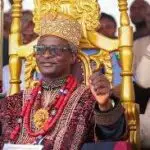
Title holders are respected individuals in a community who hold specific roles and responsibilities,such as chiefs or elders,and help lead and guide their community.
Examples of Some Title Holders in Nigeria
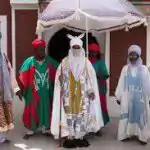
Title holders play critically significant roles in their communities, helping to maintain order and preserve the culture. The following are examples of title holders in Nigeria:
- In Yoruba culture, the title holder is called “Oba”.
- The Hausa community has title holders known as “Emir” or “Sultan”.
- In Igbo lands, they are referred to as “Eze” or “Obi”.
- The Benin people call their leaders “Enoge”.
- “Etsu” is a title holder among the Nupe.
- The Ebira people have a leader known as “Ohinoyi”.
- The Ijaw people have “Amayanabo” as their traditional ruler.
- The Urhobo people recognize “Ovie” as their traditional title holder.
Teaching Methods
To deliver this lesson, the teacher will adopt the following methods: Discussion, Question and Answer, and Storytelling.
Instructional Procedures
To deliver this lesson, the teacher will adopt the following steps:
Step 1: Introduction
Time: 5 minutes
Teaching Skill: set Induction
Teacher’s Activity: Review previous lesson; introduce the topic of title holders.
Pupils’ Activity: Answer questions; listen attentively.
Step 2: Clarification of Key concepts
Time: 10 minutes
Teaching Skill: Explaining
Teacher’s Activity: Define title holders; explain their roles and responsibilities.
Pupils’ Activity: Listen and take notes.
Step 3: Presentation/Guided Practise
Time: 10 minutes
Teaching Skill: modeling
Teacher’s Activity: Provide examples of title holders from different Nigerian cultures; discuss their roles.
pupils’ Activity: participate in discussions; identify examples.
Step 4: Independent Practice
Time: 5 minutes
Teaching Skill: Monitoring
Teacher’s Activity: Pupils answer evaluation questions individually.
Pupils’ Activity: Answer questions independently.
Step 5: Note-Taking
Time: 5 minutes
Teaching Skill: Guiding
Teacher’s Activity: Guide pupils in summarizing key points.pupils’ Activity: Write down notes.
Step 6: Evaluation/Review
Time: 5 minutes
Teaching Skill: Assessing
Teacher’s Activity: Review answers to evaluation questions.
Pupils’ Activity: Participate in review.
Objective-aligned checks:
- Define title holders.
- Identify at least two title holders in different communities and describe their roles.
- Explain the importance of title holders in maintaining cultural heritage and order.
Step 7: conclusion
Time: 5 minutes
Teaching Skill: Summarizing
Teacher’s Activity: Summarize the key points and assign homework.
Pupils’ Activity: Listen attentively and note homework.
Lesson Keywords
- Title holder – A respected individual in a community with specific leadership roles.
- Oba – A Yoruba title holder.
- Emir/Sultan – Hausa title holders.
- Eze/Obi – Igbo title holders.
- Enoge – benin title holder
Lesson Evaluation
To evaluate the learning, the teacher asks pupils to:
- What is a title holder?
- Name two title holders and their communities.
- Describe one role of a title holder in their community.
- Why is it important to respect community leaders?
Assignment/Homework
- Draw a picture of a title holder from their community.
- Write a short description of their role.
Differentiation
- For slower learners: Provide one-on-one assistance and simplified explanations.
- For advanced learners: Encourage them to research additional examples of title holders and their roles.
- For visual/auditory/kinesthetic learners: Use visual aids, discussions, and role-playing activities to cater to different learning styles.
Note for Teachers
Ensure to use local examples familiar to the pupils to enhance understanding and engagement. Encourage pupils to share their own experiences and knowledge about title holders in their communities.

Community Join the conversation Open discussion +