

Note for teachers using this lesson plan
Dear teacher, this lesson introduces pupils to the importance of respecting traditional rulers and institutions in our communities. Prepare by gathering pictures of local traditional rulers and discussing their roles with community elders if possible. Emphasise that respect is about honour and good manners, not fear. Please adapt examples of traditional rulers and institutions to your specific state and local government area or community, as the examples provided here are generic to the FCT. By the end of the lesson, pupils should be able to identify and demonstrate appropriate ways of showing respect.
Class: Primary 1
Term: Second Term
Week: 10
Age: 6 years
Duration: 45 minutes
Subject: Nigerian History
Curriculum Theme: Political Development
Focal competence: Recognising traditional institutions in their locality and LGA
Key competencies/values: Respect
Skills:
- Identification of traditional rulers and their roles in the community
Previous Lesson: Roles of traditional rulers in the community
Topic: Traditional Rulers: Respect
Subject Matter: Ways of respecting traditional rulers/institutions
Specific Objectives
By the end of the lesson, pupils/students should be able to:
Cognitive Domain
- Identify ways of respecting traditional rulers and institutions.
Affective Domain
- Show willingness to respect traditional rulers and institutions.
Psychomotor Domain
- Demonstrate respectful behaviour towards traditional rulers during role-play.
Social Domain
- Participate respectfully in community-related discussions.
Reference Materials
The following resources were used in planning this lesson:
- 2025 Revised 9 Years Basic Education Curriculum
- Relevant State Unified Scheme of Work
- Nigerian History for Primary Schools, Book 1
- The HeadTeacher Scheme of work
Instructional Materials
The teacher will teach this lesson with the aid of:
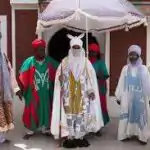
- Pictures of traditional rulers (e.g., Emir, Obi, Oba, Etsu, Chief)
- Newspaper cuttings showing traditional rulers
- Verified local photographs or oral accounts of traditional rulers
Rationale for the Lesson
This lesson is important because it teaches pupils the value of respect for authority and cultural heritage. Understanding how to respect traditional rulers helps pupils become responsible members of their community. It also fosters an appreciation for the roles traditional institutions play in maintaining peace and order.
Prerequisite/Previous Knowledge
Pupils are familiar with different types of leaders in their homes and schools, and they know the importance of greeting elders.
Lesson Content/Board Summary
Traditional Rulers: Respect
Why We Respect Traditional Rulers
Traditional rulers are important leaders in our communities. We respect them because:
- They help to keep peace in the community.
- They preserve our culture and traditions.
- They are wise and guide us.
- They are symbols of our heritage and history.
Ways to Show Respect to Traditional Rulers
We can show respect to traditional rulers by:
- Greeting them properly (e.g., kneeling for girls, bowing for boys).
- Listening carefully when they speak.
- Not interrupting them when they are talking.
- Dressing neatly and modestly when we go to see them or at community events.
- Following their good advice and community rules.
Respect and Fear
Respect is different from fear:
- Respect means to honour someone because of who they are or their position. It comes from the heart.
- Fear means to be scared of someone or something.
We respect our traditional rulers because they are our leaders and they guide us, not because we are scared of them.
Respectful Behaviour at Community Events
When traditional rulers are present at community events, we should:
- Be quiet and listen to what is being said.
- Sit properly and avoid running around or making noise.
- Follow instructions from elders and event organisers.
- Show good manners to everyone around us.
Teaching Methods/Instructional Techniques
Discussion, Explanation, Question and Answer, Role-Play, Observation
Instructional Procedures
Step 1: Introduction
Time: 5 minutes
Teaching Skill: Questioning
Teacher’s Activity: The teacher asks pupils about important people in their community and how they greet elders at home.
Pupils’ Activity: Pupils mention parents, teachers, and community leaders, and describe how they greet elders.
Learning Point: Community leaders’ importance
Step 2: Discussion on Why Traditional Rulers are Respected
Time: 8 minutes
Teaching Skill: Explanation/Discussion
Teacher’s Activity: The teacher shows pictures of traditional rulers and explains why they are respected, using simple language. The teacher writes points on the board.
Pupils’ Activity: Pupils look at the pictures and listen to the teacher’s explanation. They answer simple questions.
Learning Point: Reasons for respecting rulers
Step 3: Discussion on Ways to Show Respect
Time: 8 minutes
Teaching Skill: Explanation/Demonstration
Teacher’s Activity: The teacher discusses appropriate ways of showing respect to traditional rulers, demonstrating some actions like bowing or kneeling. The teacher writes points on the board.
Pupils’ Activity: Pupils listen, observe the demonstrations, and suggest other respectful actions they know.
Learning Point: Proper respectful actions
Step 4: Role-Play of Respectful Interaction
Time: 7 minutes
Teaching Skill: Guided Practice
Teacher’s Activity: The teacher guides pupils to role-play meeting a traditional ruler and showing respect, focusing on greetings and listening.
Pupils’ Activity: Pupils take turns to role-play respectful greetings and interactions.
Learning Point: Demonstrating respectful greetings
Step 5: Differentiating Respect and Fear
Time: 5 minutes
Teaching Skill: Clarification
Teacher’s Activity: The teacher explains the difference between respect (honour) and fear (being scared), using simple examples.
Pupils’ Activity: Pupils listen and identify examples of respect and fear.
Learning Point: Respect versus fear
Step 6: Respectful Behaviour at Community Events
Time: 4 minutes
Teaching Skill: Discussion
Teacher’s Activity: The teacher discusses how pupils should behave respectfully when traditional rulers are present at community events.
Pupils’ Activity: Pupils share their experiences of community events and suggest good behaviours.
Learning Point: Good conduct at events
Step 7: Evaluation/Review
Time: 5 minutes
Teaching Skill: Questioning/Assessment
Teacher’s Activity: The teacher evaluates the learning by asking the following questions:
- Mention two reasons why we respect traditional rulers.
- Name two ways you can show respect to a traditional ruler.
- Is respect the same as fear? Explain.
- How should you behave when a traditional ruler is at a community event?
Pupils’ Activity: Pupils answer orally and in writing.
Learning Point: Understanding respectful behaviour
Step 8: Note-Taking
Time: 4 minutes
Teaching Skill: Guided Writing
Teacher’s Activity: The teacher guides pupils to copy the essential Board Summary notes on ways of respecting traditional rulers into their notebooks.
Pupils’ Activity: Pupils copy the notes carefully into their notebooks.
Learning Point: Recording lesson notes
Step 9: Conclusion
Time: 2 minutes
Teaching Skill: Reinforcement
Teacher’s Activity: The teacher reminds pupils that showing respect to traditional rulers and institutions is a good habit that helps our communities grow strong and peaceful.
Pupils’ Activity: Pupils listen and affirm the importance of respect.
Learning Point: Importance of respect
Continuous Assessment/Further Study
Type: Homework
Instruction: Draw a picture of a traditional ruler you know or have seen, and write one sentence about how you can show them respect.
- Draw a traditional ruler.
- Write one way to respect them.
Lesson Keywords
- Respect – To honour someone because of their position or qualities.
- Traditional Ruler – A leader who inherits their position or is chosen according to the customs of a community (e.g., Emir, Obi, Oba).
- Community – A group of people living in the same place.
- Fear – A feeling of being scared or afraid.
- Honour – To show great respect for someone.
Differentiation
For weaker learners: Provide pre-printed notes or simplified sentences for copying. Pair them with stronger learners during role-play activities. Focus on identifying just one or two ways of showing respect.
For stronger learners: Encourage them to name specific traditional rulers in their local government area (e.g., the Etsu of Abuja for AMAC) and describe their roles. Ask them to give more examples of respectful behaviour at different community gatherings.
Suggested Lesson Videos
Search on YouTube for: respecting traditional rulers primary 1 nigeria
Teacher Guide for Using This Lesson Plan
Before the lesson, ensure you have clear pictures of traditional rulers that are relevant to your local context. If possible, bring in a local elder to briefly speak about traditional rulers (with permission). Begin by engaging pupils with questions about leadership and respect they already understand. During the lesson development, use the pictures to make the concept concrete. Encourage active participation in the role-play to help pupils internalise respectful actions. When explaining the difference between respect and fear, use simple, relatable scenarios. Guide pupils to copy the Board Summary notes after the evaluation to ensure they record accurate information. Reinforce the lesson’s main idea about the importance of respect for community harmony. Pay attention to pupils’ understanding during the evaluation and provide additional clarification where needed. Ensure all pupils, regardless of their learning pace, have a chance to participate and grasp the core message of respect.
Community Join the conversation Open discussion +