

Note for teachers using this lesson plan
This lesson introduces Primary 1 pupils to the roles of traditional rulers in their community. Teachers should prepare by gathering relevant pictures or objects of traditional rulers from their specific locality and be ready to share simple, age-appropriate examples of their roles. Emphasise respect for these leaders. By the end of the lesson, pupils should be able to state some key roles of traditional rulers and understand their importance in maintaining peace and culture. Please replace any generic community examples with specific examples from your own state and Local Government Area/Community to make the lesson more relatable for your pupils.
Class: Primary One
Term: Second Term
Week: 9
Age: 6 years
Duration: 45 minutes
Subject: Nigerian History
Curriculum Theme: Political Development
Focal competence: Recognising traditional institutions in their locality and LGA
Key competencies/values: Respect
Skills:
- Identification of traditional rulers and their roles in the community
Previous Lesson: Identifying Traditional Rulers in the Locality
Topic: Traditional Rulers: Roles
Subject Matter: Roles of traditional rulers in the community
Specific Objectives
By the end of the lesson, pupils/students should be able to:
Cognitive Domain
- State at least two roles of traditional rulers in the community.
Affective Domain
- Appreciate the importance of traditional rulers in maintaining peace and culture.
- Show respect for traditional rulers and their office.
Psychomotor Domain
- Identify pictures of traditional rulers.
Social Domain
- Participate respectfully in discussions about community leaders.
Reference Materials
The following resources were used in planning this lesson:
- 2025 Revised 9 Years Basic Education Curriculum
- Relevant State Unified Scheme of Work
- Nigerian History for Primary Schools, Book 1
- The HeadTeacher Scheme of work
Instructional Materials
The teacher will teach this lesson with the aid of:
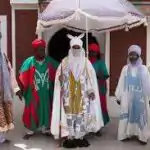
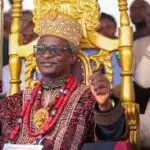
- Pictures of traditional rulers (e.g., Emir, Obi, Oba, Chief)
- Newspaper cuttings showing traditional rulers
- Verified local photographs or oral accounts of traditional rulers
- Chart showing different roles of traditional rulers
Rationale for the Lesson
This lesson is important because it introduces pupils to traditional leadership structures within their communities. Understanding the roles of traditional rulers helps pupils appreciate their cultural heritage and the importance of peace and order. It also fosters respect for authority and community institutions from an early age.
Prerequisite/Previous Knowledge
Pupils are familiar with different types of leaders in their homes and schools, such as parents, teachers, and school prefects.
Lesson Content/Board Summary
Traditional Rulers: Roles
Who are Traditional Rulers?
Traditional rulers are important leaders in our communities. They are usually chosen by the people based on tradition and custom. They help to guide the community and keep things in order.
Roles of Traditional Rulers in the Community
Traditional rulers play many important roles in the community. Some of these roles include:
- Maintaining Peace: Traditional rulers help to settle quarrels and disagreements among people in the community. They make sure everyone lives together happily.
- Preserving Culture: They help to keep our traditions, customs, and languages alive. They encourage people to celebrate cultural festivals and wear traditional clothes.
- Giving Advice: People go to traditional rulers for advice on important matters. They listen to the people and give wise counsel.
- Performing Ceremonies: Traditional rulers lead important community ceremonies and festivals, like chieftaincy title awards or harvest celebrations.
- Representing the Community: They speak for the community to the government and other groups.
People Traditional Rulers Work With
Traditional rulers do not work alone. They work with other important people in the community to get things done. These people include:
- Chiefs
- Elders
- Community leaders
- Youth leaders
Teaching Methods/Instructional Techniques
Discussion, Explanation, Question and Answer, Storytelling, Picture Identification
Instructional Procedures
Step 1: Introduction
Time: 5 minutes
Teaching Skill: Activating prior knowledge
Teacher’s Activity: The teacher greets the pupils and asks them to name some leaders they know in their homes or schools. The teacher then introduces the topic of traditional rulers as important leaders in the community.
Pupils’ Activity: Pupils respond by naming leaders they know. They listen attentively to the introduction.
Learning Point: Introduction to community leaders
Step 2: Discussion of Traditional Rulers
Time: 7 minutes
Teaching Skill: Explanation/Identification
Teacher’s Activity: The teacher shows pictures of different traditional rulers (e.g., Emir, Obi, Oba, Chief) and asks pupils if they know any of them or similar leaders in their area. The teacher explains that these are traditional rulers, important leaders in our communities.
Pupils’ Activity: Pupils identify the pictures and share if they know any traditional rulers from their community.
Learning Point: Recognition of traditional rulers
Step 3: Role 1: Maintaining Peace
Time: 6 minutes
Teaching Skill: Explanation with examples
Teacher’s Activity: The teacher explains that one important role of traditional rulers is to maintain peace. The teacher gives a simple example: “If two friends are fighting, the traditional ruler can help them stop fighting and become friends again.”
Pupils’ Activity: Pupils listen to the explanation and example. They may share simple ideas about peace.
Learning Point: Peacekeeping role explained
Step 4: Role 2: Preserving Culture
Time: 6 minutes
Teaching Skill: Explanation with examples
Teacher’s Activity: The teacher explains that traditional rulers help to preserve our culture. The teacher gives an example: “They make sure we remember our old stories, songs, and dances, and celebrate our traditional festivals.”
Pupils’ Activity: Pupils listen and identify with cultural practices they know.
Learning Point: Culture preservation role
Step 5: Role 3: Giving Advice
Time: 6 minutes
Teaching Skill: Explanation with examples
Teacher’s Activity: The teacher explains that traditional rulers give good advice to the community. The teacher gives an example: “If people have a problem and don’t know what to do, they can go to the traditional ruler for wise advice.”
Pupils’ Activity: Pupils listen and understand the role of advice-giving.
Learning Point: Giving advice role
Step 6: People Traditional Rulers Work With
Time: 5 minutes
Teaching Skill: Listing/Discussion
Teacher’s Activity: The teacher explains that traditional rulers work with other people to lead the community. The teacher lists and briefly explains who these people are, such as chiefs and elders.
Pupils’ Activity: Pupils listen and name some people who work with traditional rulers.
Learning Point: Collaborators of rulers
Step 7: Evaluation/Review
Time: 5 minutes
Teaching Skill: Questioning/Assessment
Teacher’s Activity: The teacher evaluates the learning by asking the following questions:
- Who are traditional rulers?
- Mention one role of a traditional ruler.
- Name one person a traditional ruler works with.
Pupils’ Activity: Pupils answer orally and in writing.
Learning Point: Understanding traditional rulers’ roles
Step 8: Note-Taking
Time: 4 minutes
Teaching Skill: Guided Writing
Teacher’s Activity: The teacher guides pupils to copy the essential Board Summary notes about the roles of traditional rulers into their notebooks.
Pupils’ Activity: Pupils copy the notes carefully into their notebooks.
Learning Point: Recording lesson information
Step 9: Conclusion
Time: 1 minute
Teaching Skill: Reinforcement
Teacher’s Activity: The teacher briefly reminds pupils that traditional rulers are important leaders who help keep peace, preserve culture, and guide the community. The teacher encourages pupils to respect these leaders.
Pupils’ Activity: Pupils listen and acknowledge the importance of traditional rulers.
Learning Point: Reinforcing lesson’s importance
Continuous Assessment/Further Study
Type: Homework
Instruction: Answer the following questions in your notebook:
- Draw a picture of a traditional ruler you know or have seen.
- Write down two things a traditional ruler does in your community.
Lesson Keywords
- Traditional Ruler – An important leader chosen by custom in a community.
- Community – A group of people living together in one place.
- Peace – Living together without fighting or trouble.
- Culture – The way of life, customs, and traditions of a group of people.
- Advice – Guidance or suggestions given to help someone.
Differentiation
For weaker learners: Provide more visual aids and simplify explanations. Encourage them to state just one role. Allow them to point to pictures of traditional rulers.
For faster learners: Ask them to name more roles or discuss why traditional rulers are important in modern times. Encourage them to share stories about traditional rulers they know.
Suggested Lesson Videos
For further understanding, search on YouTube for: roles of traditional rulers primary 1 nigeria
Teacher Guide for Using This Lesson Plan
Before the lesson, ensure you have a variety of pictures of traditional rulers, preferably from your local community, to make the lesson relatable. Start by engaging pupils with what they already know about leaders. When discussing the roles, use simple language and concrete examples that Primary 1 pupils can easily grasp. Encourage pupils to share their own experiences or observations about traditional rulers. During the note-taking stage (Step 8), guide them clearly on what to copy from the board. Emphasise the value of respect throughout the lesson. Check for understanding frequently through questions and allow for both oral and written responses. For weaker learners, focus on recognition and stating one key role. For faster learners, encourage deeper thought about the impact of these roles. Conclude by reiterating the core message of the importance and roles of traditional rulers in the community.
Community Join the conversation Open discussion +