

Note for teachers using this lesson plan
This lesson introduces Primary 1 pupils to the concept of traditional title holders in their community. It is important to prepare by gathering verified pictures or video clips of traditional rulers and title holders from your specific state and local government area (LGA) or community. If possible, invite a local traditional title holder to speak to the class. By the end of the lesson, pupils should be able to explain what a traditional title holder is and identify local examples, while also showing respect for these community figures.
Class: Primary One
Term: Third Term
Week: 1
Age: 6 years
Duration: 45 minutes
Subject: Nigerian History
Curriculum Theme: Political Developments
Focal competence: Respecting traditional title holders in their locality and LGA
Skills:
- Identification of title holders and their duties in the community
Previous Lesson: Third Term History Examination
Topic: Traditional Title Holders
Subject Matter: Meaning of a traditional title holder, familiar local examples
Specific Objectives
By the end of the lesson, pupils should be able to:
Cognitive Domain
- Explain the meaning of a traditional title holder.
- Identify familiar local examples of traditional title holders.
- State the difference between a traditional ruler and a traditional title holder.
- Give reasons why communities have traditional title holders.
Affective Domain
- Show respect for traditional title holders in their community.
- Appreciate the roles of traditional title holders.
Psychomotor Domain
- Point to pictures of traditional title holders.
- Participate in a simple role-play showing respect to a title holder.
Social Domain
- Interact respectfully with community elders and traditional title holders.
Reference Materials
The following resources were used in planning this lesson:
- 2025 Revised 9 Years Basic Education Curriculum
- Relevant State Unified Scheme of Work
- Macmillan Primary Social Studies for Primary 1
- The HeadTeacher Scheme of work
Instructional Materials
The teacher will teach this lesson with the aid of:
- Pictures of traditional title holders in the community
- Video clips of traditional title holders in the community
- A Traditional title holder in the community (if available)
- Verified local photographs, objects or oral accounts
- Chart showing different traditional titles
Rationale for the Lesson
This lesson helps pupils understand the traditional leadership structure in their communities beyond just the traditional ruler. Learning about traditional title holders fosters respect for community leaders and cultural heritage. It also helps pupils recognise the various roles people play in maintaining community order and traditions.
Prerequisite/Previous Knowledge
Pupils have some basic understanding of community leaders and may have seen or heard about traditional rulers in their locality.
Lesson Content/Board Summary
Traditional Title Holders
Meaning of a Traditional Title Holder
A traditional title holder is a person in the community who has been given a special name or position by the traditional ruler or elders. This position comes with certain duties and respect. They help the traditional ruler to lead the community.
People Who Hold Traditional Titles
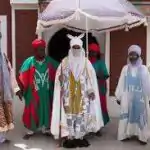
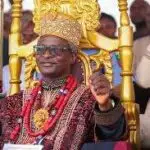
Traditional title holders are respected men and women who assist the traditional ruler. In many communities, these titles are given based on family lineage, achievements, or service to the community. Examples in the FCT (Abuja Municipal Area Council) and other parts of Nigeria include:
- Chiefs: These are usually men who hold important positions and help the traditional ruler.
- Elders: Respected older members of the community who advise the ruler.
- Women Leaders: Sometimes called “Iyaloja” (market leader) or “Olori” (queen mother) in some cultures, they lead women in the community.
- Youth Leaders: People who lead the young people and help them contribute to the community.
Note for Teachers: Please replace these examples with specific traditional title holders and their roles from your own state and local government area or community.
Difference Between a Traditional Ruler and a Traditional Title Holder
It is important to know the difference between a traditional ruler and a traditional title holder.
- Traditional Ruler: This is the highest traditional leader in a community or kingdom. Examples are an Emir, Obi, Oba, Etsu, or Chief. They are usually seen as the father of the community and make major decisions.
- Traditional Title Holder: These are people who assist the traditional ruler. They hold specific titles and perform certain duties to help the ruler manage the community. They are not the highest authority but are very important helpers and advisors.
Why Communities Have Traditional Title Holders
Communities have traditional title holders for many good reasons:
- To help the Traditional Ruler: They assist the ruler in leading the people and solving problems.
- To keep peace: They help to settle disagreements among people.
- To preserve culture: They help to teach and keep the community’s traditions and customs alive.
- To represent different groups: Some title holders represent specific families, age groups, or women in the community.
- To provide advice: They give good advice to the traditional ruler.
Teaching Methods/Instructional Techniques
Discussion, Explanation, Question and Answer, Observation, Show and Tell, Role-play
Instructional Procedures
Step 1: Introduction
Time: 5 minutes
Teaching Skill: Review/Recall
Teacher’s Activity: The teacher greets the pupils and reviews the previous lesson on traditional rulers. The teacher shows pictures of traditional rulers in the community (e.g., an Emir, Oba, Obi) and asks pupils to identify them and state their roles.
Pupils’ Activity: Pupils greet the teacher, identify the traditional rulers, and mention some of their roles like leading the community and keeping peace.
Learning Point: Recall of traditional rulers
Step 2: Meaning of Traditional Title Holder
Time: 8 minutes
Teaching Skill: Explanation/Definition
Teacher’s Activity: The teacher explains what a traditional title holder is using simple language and local examples. “A traditional title holder is someone who has a special position or name given by the traditional ruler to help him lead the community.”
Pupils’ Activity: Pupils listen attentively and repeat the definition after the teacher.
Learning Point: Meaning of title holder
Step 3: Identifying Local Examples
Time: 7 minutes
Teaching Skill: Identification/Illustration
Teacher’s Activity: The teacher shows pictures or video clips of familiar local traditional title holders (e.g., specific chiefs, women leaders, youth leaders from the FCT/AMAC or local community) and guides pupils to identify them and their general roles. The teacher might say, “This is Chief Audu, he helps the Emir in our community.”
Pupils’ Activity: Pupils observe the pictures/videos and identify the title holders, mentioning their roles as guided by the teacher.
Learning Point: Familiar local examples
Step 4: Differentiating Ruler and Title Holder
Time: 7 minutes
Teaching Skill: Comparison/Distinction
Teacher’s Activity: The teacher explains the difference between a traditional ruler (like an Emir, Oba) and a traditional title holder (like a Chief, Elder). The teacher emphasizes that the ruler is the highest, and title holders assist the ruler.
Pupils’ Activity: Pupils listen and state one difference between a ruler and a title holder, e.g., “Ruler is boss, title holder helps.”
Learning Point: Ruler vs. title holder
Step 5: Why Communities Have Title Holders
Time: 6 minutes
Teaching Skill: Reasoning/Justification
Teacher’s Activity: The teacher asks pupils why they think communities have people like chiefs and elders. The teacher guides them to understand that title holders help the ruler, keep peace, and preserve culture.
Pupils’ Activity: Pupils give simple reasons like “They help the king” or “They keep peace.”
Learning Point: Reasons for title holders
Step 6: Role-Play on Respect
Time: 4 minutes
Teaching Skill: Demonstration/Application
Teacher’s Activity: The teacher guides pupils in a simple role-play where one pupil acts as a traditional title holder and others show respect (e.g., greeting appropriately, kneeling or bowing slightly depending on local customs).
Pupils’ Activity: Pupils participate in the role-play, demonstrating respectful greetings and gestures.
Learning Point: Showing respect to elders
Step 7: Evaluation/Review
Time: 5 minutes
Teaching Skill: Questioning/Assessment
Teacher’s Activity: The teacher evaluates the learning by asking the following questions:
- What is a traditional title holder?
- Mention one traditional title holder you know in our community.
- What is the difference between a traditional ruler and a traditional title holder?
- Give one reason why communities have traditional title holders.
Pupils’ Activity: Pupils answer orally and in writing.
Learning Point: Understanding title holders
Step 8: Note-Taking
Time: 4 minutes
Teaching Skill: Guided Writing
Teacher’s Activity: The teacher guides pupils to copy the essential Board Summary notes into their notebooks, focusing on the meaning and examples of traditional title holders.
Pupils’ Activity: Pupils copy the notes carefully into their notebooks.
Learning Point: Recording lesson points
Step 9: Conclusion
Time: 2 minutes
Teaching Skill: Consolidation
Teacher’s Activity: The teacher praises the pupils for their participation and reminds them to always show respect to traditional title holders and elders in their community. The teacher reinforces that these people help keep the community strong and peaceful.
Pupils’ Activity: Pupils listen and acknowledge the importance of respecting traditional title holders.
Learning Point: Respect for community leaders
Continuous Assessment/Further Study
Type: Homework
Instruction: Ask your parents or guardians to tell you the name of one traditional title holder in your community and what they do. Write it down in your notebook.
- Name of Traditional Title Holder: _________________________
- What they do: _________________________________________
Lesson Keywords
- Traditional – Relating to old customs and ways of doing things.
- Title holder – A person given a special position or name in the community.
- Ruler – The highest leader of a community or kingdom.
- Community – A group of people living in the same place.
- Respect – Showing honour and care for someone.
Differentiation
For slower learners, the teacher will provide more visual aids and repeat explanations multiple times, focusing on identifying just one local example. Faster learners can be encouraged to name more title holders or draw a picture of a traditional title holder they know.
Suggested Lesson Videos
For further understanding, teachers and pupils can search on YouTube for: traditional title holders nigeria primary 1
Teacher Guide for Using This Lesson Plan
Before the lesson, ensure you have gathered relevant pictures or video clips of traditional rulers and title holders specific to your local government area or community. This will make the lesson more relatable for the Primary 1 pupils. Begin by reviewing traditional rulers to build on prior knowledge, then gradually introduce the concept of title holders, emphasizing their role as helpers and advisors to the ruler. Use simple, clear language and encourage pupil participation through questions and the role-play activity. Guide pupils to understand the difference between a ruler and a title holder. During Step 8, ensure pupils copy the Board Summary accurately. Pay close attention to pupils’ answers during the evaluation to check their understanding and provide immediate corrections. Encourage all pupils to show respect for community leaders, both in and out of school.


Community Join the conversation Open discussion +