

Class: primary 5
Term: 2nd Term
Subject: Cultural and Creative Arts
Curriculum Theme: Cultural and Creative Arts
Previous Lesson: Reasons For The Production Of Mosaic, Musical Notes And Their Values
Topic: Steps in Producing Mosaic: Concept of rhythm
Content/Learning Area: Steps in Producing Mosaic: Concept of Rhythm
Time Allocation: 40 minutes
Performance Objectives
By the end of the lesson, pupils should be able to:
- Cognitive Domain: Define rhythm and list the steps in producing a mosaic.
- Affective Domain: appreciate the value of rhythm in music and art.
- Psychomotor Domain: Create a simple mosaic pattern.
- Social Domain: Collaborate effectively in group activities related to the production of mosaic.
Reference Materials
The following resources were used in planning this lesson:
- 9–Years Basic Education Curriculum
- Abuja Educational Resource Center Scheme of Work
- NAPPS National Unified Scheme of Work
- Online information from: Wikipedia – Rhythm
- Relevant textbooks
Instructional Materials
To deliver this lesson, the teacher will employ the help of the following materials:
- sample mosaic tiles or paper pieces
- Glue and plain sheets of paper
- Pictures of finished mosaics
- Musical instruments (e.g., drum or tambourine)
- Audio clips demonstrating rhythm patterns
Rationale for the Lesson
Understanding rhythm and the steps to produce mosaics encourages creativity and improves coordination. These skills are valuable in developing artistic talents and enhancing appreciation for art and music in everyday life.
Prerequisite/Previous Knowledge
Pupils are familiar with basic musical notes and have seen or created simple artwork in previous lessons.
lesson Content
Steps in Producing Mosaic: Concept of Rhythm
Rhythm is the pattern of long and short sounds in music.It is indeed what makes music feel alive and organized.
Steps in producing a mosaic:
The following are the steps in producing a mosaic:
- Choose a design: Decide on the pattern or picture you want to create.
- Prepare materials: Collect colored paper, tiles, or other materials, and cut them into small pieces.
- Outline the design: Draw your chosen design on a plain sheet of paper.
- Glue the pieces: Place glue on the outlined areas and stick the colored pieces one by one.
- Finalize the mosaic: Allow it to dry and review for any gaps or uneven pieces.
Rhythm in Music:
These include:
- Long notes and short notes combine to form a rhythm.
- For example, clapping a “long-short-short” pattern creates a rhythm.
teaching Methods
To deliver this lesson, the teacher will adopt the following methods: Use of real-life examples, Lecture, Demonstration, Collaborative, Interactive, Questioning, Summary.
Instructional Procedures
To deliver this lesson, the teacher will adopt the following steps:
Step 1: Introduction (Set Induction)
Time: 5 mins
Teaching Skill: Set induction
TeacherS Activity: Shows pictures of mosaics and plays a short rhythmic pattern on an instrument.
pupils’ Activity: Pupils observe pictures and listen to the rhythm.
Step 2: Explanation of Rhythm
Time: 7 mins
Teaching Skill: Explanation
Teacher’s Activity: Explains rhythm as the pattern of long and short notes in music, giving examples using claps.
Pupils’ Activity: Pupils clap and identify rhythmic patterns.
step 3: Steps in Producing Mosaic
Time: 10 mins
Teaching Skill: Demonstration
Teacher’s Activity: Demonstrates how to create a mosaic using colored paper and glue.
Pupils’ Activity: Pupils observe and begin creating their own mosaics.
Step 4: Group Work
Time: 10 mins
Teaching Skill: Collaboration
Teacher’s Activity: Guides pupils to work in groups to create simple mosaic patterns.
Pupils’ Activity: Pupils collaborate and create group mosaics.
Step 5: Note-Taking
Time: 5 mins
Teaching Skill: Writing
Teacher’s Activity: Provides concise notes for pupils to copy into their books.
Pupils’ Activity: Pupils copy notes and ask questions for clarity.
Step 6: Evaluation/Review
Time: 3 mins
Teaching Skill: Assessment
Teacher’s Activity: Asks questions to check understanding of rhythm and mosaic production.
Pupils’ Activity: Pupils answer questions and discuss responses.
Step 7: Conclusion
Time: 2 mins
Teaching Skill: Summarization
Teacher’s Activity: Summarizes key points and encourages creativity at home.
Pupils’ Activity: Pupils listen and reflect on the lesson.
Lesson Keywords
- Rhythm – The pattern of long and short sounds in music.
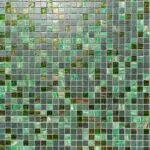
- Mosaic – An artwork made by arranging small pieces of colored material.
- Pattern – A repeated design or sequence.
- Collaboration – Working together with others to achieve a common goal.
- Creativity – The ability to produce new and original ideas.
Lesson evaluation
To evaluate the learning, the teacher asks pupils to:
- Define rhythm in their own words.
- List the steps in producing a mosaic.
- Clap a simple rhythmic pattern demonstrated by the teacher.
- Explain why rhythm is critically important in music.
- Share one thing they learned about mosaics.
Assignment/Homework
- Create a simple mosaic at home using materials like paper, seeds, or fabric.
- Find and describe a rhythmic pattern in a song they like.
- Write a short paragraph about how rhythm and mosaics can be found in their environment.
Differentiation
- For slower learners: Provide pre-cut mosaic pieces and simplified design templates.
- For advanced learners: Encourage them to create more complex mosaic designs and explore different rhythmic patterns.
- For visual/auditory/kinesthetic learners: Use visual aids, play rhythmic music, and allow hands-on creation of mosaics.
Note for Teachers
Feel free to bring in real-life examples of mosaics or musical instruments to make the lesson more engaging. Encourage pupils to express their creativity during the group activity.happy teaching!


Community Join the conversation Open discussion +