

Class: Primary 5
Term: 3rd Term
subject: Cultural And Creative Arts
Curriculum Theme:
Previous Lesson: Purpose Of Local Architecture And Setting Poem To Sofa
Topic: Basic Consideration In Local architecture And developing A Character In Play
Content/Learning Area: Basic Consideration In Local Architecture And Developing A Character In Play
Time Allocation: 40 minutes
Performance Objectives
By the end of the lesson, pupils should be able to:
- Cognitive Domain: Mention the factors to consider when building local houses
- Affective Domain: Appreciate the uniqueness of customary architectural designs and acting
- Psychomotor Domain: Dramatize a short role using basic character development
- Social Domain: participate in group discussions on traditional housing and character building
Reference Materials
The following resources were used in planning this lesson:
- 9 Years Basic Education Curriculum
- Abuja Educational Resource Center Scheme of Work
- NAPPS National Unified Scheme of Work
- Online Information from: wikipedia – Vernacular architecture
- Relevant Textbooks
Instructional Materials
To deliver this lesson, the teacher will use the following:
Chart showing types of local buildings, pictures or cut-outs of actors performing, Role-play props (e.g., hat, stick, scarf), Flashcards with architectural terms, Cardboard models of local houses
Rationale for the Lesson
Understanding local architecture and how to develop characters in drama helps pupils value culture and enhances creativity in performing arts.
Prerequisite/Previous Knowledge
Pupils already have basic understanding of their local habitat and have watched or taken part in school drama activities.
Lesson Content
Basic Consideration in Local Architecture and Developing a character in play
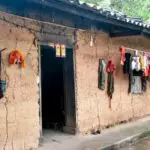
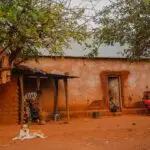
Local buildings are made using materials found in our area. The way they are built depends on the weather, land, and how people live.
The following are factors to consider in local architecture:
- Type of land in the area
- Materials that are easy to find
- the kind of weather in the place
- Culture and way of life of the people
- Safety and protection from danger
- Availability of water resources
- Accessibility to transportation routes
- Prevalence of natural disasters
developing a Character in a Play
To act well in drama, we must learn how to be the person we are acting. This is called developing a character.
The following are ways to develop a character in a play:
- Know the role you will play
- Understand what the character likes and dislikes
- Practice how the character talks and moves
- Dress and act like the character
- Feel the way the character feels
- Study the character’s background and history
- Consider the character’s relationships with others
- Rehearse the character’s lines and actions
Teaching Methods
To deliver this lesson, the teacher will adopt the following methods: Discussion, lecture, Description, Visual Aids, Group Work, Storytelling, Role-Play
Instructional Procedures
To deliver this lesson, the teacher will adopt the following steps:
step 1: Introduction (Set Induction)
Time: 5min
Teaching Skill: Set Induction
Teacher’s Activity: Tells a short story about traditional huts and actors in local drama
Pupils’ Activity: Listen attentively and answer questions
Step 2: Factors in Local Architecture
Time: 10min
Teaching Skill: Explanation
Teacher’s Activity: Explains key points using pictures and local examples
Pupils’ Activity: Observe images and listen carefully
Step 3: Meaning of Character Development
Time: 5min
Teaching Skill: Storytelling
Teacher’s Activity: Shares a short story of a popular drama character and how they acted
Pupils’ Activity: Listen and ask questions
step 4: Ways to Develop a Character
Time: 10min
teaching Skill: Presentation
Teacher’s Activity: acts out two different characters using voice and movement
Pupils’ Activity: Watch, then try to act their own roles
Step 5: Note-Taking
Time: 3min
Teaching Skill: Writing Skills
Teacher’s Activity: Guides pupils to copy short notes from the board
Pupils’ Activity: Copy notes into their books
Step 6: Evaluation/review
Time: 5min
Teaching Skill: questioning
Teacher’s Activity: Asks questions and gives a short task to act a character or explain a concept
Pupils’ Activity: Answer and act as instructed
Step 7: Conclusion
Time: 2min
Teaching Skill: Instructional Closure
Teacher’s Activity: Summarizes the lesson and encourages pupils to observe local buildings and act
Pupils’ Activity: Listen, ask questions if any
Lesson Keywords
- Architecture – The way buildings are planned and built
- Character – The person an actor becomes in a play
- Materials – Things used to build houses
- Culture – The way of life of people
- Drama – Acting in stories to teach or entertain
Lesson Evaluation
To evaluate the learning, the teacher asks pupils to:
- mention three things to consider when building local houses
- Say what it means to develop a character in a play
- List two things that show someone is acting a role
- Act as a happy or angry person for one minute
- Say one reason why local buildings are different
Assignment/Homework
- Draw a picture of a local building in your area and label the materials used.
- Write a short paragraph describing a character you would like to play in a drama.
- list three ways the weather affects the design of local buildings.
- Interview a local builder about the challenges they face in using local materials.
- Research and write about a famous Nigerian actor and how they prepare for their roles.
Differentiation
- For slower learners: The teacher will group pupils by ability and give simpler acting tasks or more visual examples to slower learners.
- For advanced learners: Encourage advanced learners to create their own characters and design a building using unique local materials.
- For visual/auditory/kinesthetic learners: Use visual aids, audio recordings, and hands-on activities to cater to different learning styles.
Note for Teachers
Use local examples and relatable acting scenarios for better engagement. Let pupils be free to express emotions during role-play.


Community Join the conversation Open discussion +