

Class: Primary 5
Term: 3rd Term
Subject: Cultural And Creative Arts
Curriculum theme:
Previous Lesson: Basic Consideration In Local Architecture And Developing A Character In Play
Topic: Areas Where Local architecture Materials Are Found And Importance Of Apprenticeship System
Content/Learning Area: Areas Where Local Architecture materials Are Found And importance Of Apprenticeship System e.g.acquisition of stalk, value, etc………….
Performance Objectives
by the end of the lesson,pupils should be able to:
- Cognitive Domain: Identify places where local architectural materials can be found.
- Affective Domain: Show recognition for traditional methods of learning trades.
- Psychomotor Domain: List materials used in local building practices and explain their sources.
- Social Domain: Demonstrate willingness to learn from skilled people through the apprenticeship system.
Reference Materials
The following resources were used in planning this lesson:
- 9 Years Basic education curriculum
- Abuja educational Resource Center Scheme of work
- NAPPS National Unified Scheme of Work
- Online Information from: wikipedia – Apprenticeship
- Relevant Textbooks
Instructional Materials
To deliver this lesson, the teacher will use the following: Pictures of local houses made with mud, wood, bamboo, etc., Samples of local building materials (mud, straw, bamboo), Posters showing apprenticeship training, Flashcards with keywords, Video clips of construction using local materials
Rationale for the lesson
Understanding local building materials and apprenticeship helps pupils appreciate their cultural heritage and encourages practical life skills.
Prerequisite/Previous Knowledge
Pupils have seen local houses and know about people learning skills like tailoring or carpentry from older experts.
Lesson content
Areas Where Local Architecture Materials Are Found And Importance Of Apprenticeship System
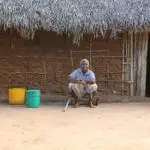
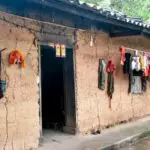
Local materials are natural things used to build houses in villages and towns.These materials are found around us.
The following are areas where local building materials are found:
- Mud is found in farmlands and river banks
- Bamboo is found near rivers and in forests
- Straw and stalk are collected from farmlands after harvest
- Palm fronds are gotten from palm trees in farms
- Stones are found in rocky areas and hills
- Clay is found deep in the soil of some villages
- Wood is collected from trees in the forest
- Thatch is gotten from grasslands and swamps
- Laterite is found in the ground in most villages
Importance of Apprenticeship System
An apprenticeship is when a young person learns a skill from an expert by watching and doing.
The following are the importance of apprenticeship:
- It helps young people learn a job by practice
- It provides work for those who do not go to school
- It helps preserve traditional crafts and trades
- It allows learners to earn money while learning
- It teaches discipline and responsibility
- it helps reduce joblessness in the community
- It promotes self-reliance and entrepreneurship
- It ensures the transfer of skills from one generation to another
- It fosters community advancement through skilled labor
Teaching Methods
to deliver this lesson, the teacher will adopt the following methods: Discussion, Lecture, Storytelling, Description, Visual Aids, Group Work
Instructional Procedures
To deliver this lesson, the teacher will adopt the following steps:
Step 1: Introduction
Time: 5 mins
Teaching Skill: Set Induction
Teacher’s Activity: Uses storytelling about how people built houses in the past and shows a mud brick
Pupils’ Activity: Listen attentively and share experiences of local houses
Step 2: Areas Where local Materials Are Found
Time: 10 mins
teaching Skill: Explanation
Teacher’s Activity: Explains where materials like mud, bamboo, straw are found using pictures and samples
Pupils’ Activity: Observe pictures, ask questions and identify the materials
Step 3: Importance of Apprenticeship
Time: 10 mins
Teaching Skill: Discussion
Teacher’s Activity: Describes apprenticeship and its value using examples from tailoring and welding
Pupils’ Activity: Listen, ask questions and share what they know about apprentices
Step 4: Note-taking
Time: 5 mins
Teaching Skill: Writng Skills
Teacher’s Activity: Guides pupils to copy key points on the board
Pupils’ Activity: Copy neatly into their notes
step 5: evaluation/Review
Time: 5 mins
Teaching Skill: Assessment
Teacher’s Activity: Asks pupils to list areas where local materials are found and explain apprenticeship
Pupils’ activity: answer questions orally and in writing
Objective-aligned checks:
- Identify places where local architectural materials can be found.
- Show recognition for traditional methods of learning trades.
- List materials used in local building practices and explain their sources.
Step 6: Conclusion
Time: 5 mins
Teaching skill: Instructional and Social
Teacher’s Activity: Summarizes key points and encourages pupils to value local knowledge and skills
Pupils’ Activity: Listen and respond with what they have learned
Lesson keywords
- Apprenticeship – Learning a skill from an expert
- Stalk – Dry stem of farm crops used for building
- Mud – Wet soil used for building houses
- Clay – Fine soil that becomes hard when dry
- Local Materials – Things found around us for building
Lesson Evaluation
To evaluate the learning, the teacher asks pupils to:
- List four places where local building materials can be found
- Mention three examples of local building materials
- Explain what apprenticeship means
- List three benefits of apprenticeship
- Describe how people learn skills through apprenticeship
Assignment/Homework
- Find out what local materials are used to build houses in your village.
- Ask an artisan in your community how they learned their trade.
- Write a short paragraph on the importance of learning a skill.
Differentiation
- For slower learners: Teacher will support slower learners with pictures and repeat explanations.
- For advanced learners: Faster learners will give more examples of materials and trades.
- For visual/auditory/kinesthetic learners: Use visual aids, discussions, and hands-on activities to cater to different learning styles.
Note for teachers
Ensure active participation by showing real samples, relate discussion to pupils’ environment and allow pupils to ask questions freely.


Community Join the conversation Open discussion +