

Class: Primary 4
Term: 3rd Term
Subject: National Values Education
Curriculum Theme: security Education
Previous Lesson: Consequences Of Political Thuggery
Topic: Security Education In The Military
Content/Learning Area: Reasons why military should be involved in our neighbourhood security
Performance Objectives
By the end of the lesson, pupils should be able to:
- Cognitive Domain: List reasons why the military should help in neighbourhood security.
- Affective Domain: Appreciate the efforts of the military in keeping the community safe.
- Psychomotor Domain: Draw a simple picture of a soldier guarding a community.
- social Domain: Participate in class discussions on how military officers protect people.
Reference Materials
The following resources were used in planning this lesson:
- 9 Years Basic Education Curriculum
- Abuja Educational resource Center Scheme of Work
- NAPPS National Unified Scheme of Work
- Online Information from: Wikipedia – Military
- relevant textbooks
Instructional Materials
To deliver this lesson, the teacher will use the following materials:
- Chart showing military officers
- Picture of a military barrack
- Toy soldier figures
- Video clips of military in action during peacekeeping
- Drawing materials (paper, pencil, crayons)
Rationale for the Lesson
It is important for pupils to understand how the military helps keep our neighbourhoods safe from danger and supports peace and order.
Prerequisite/Previous Knowledge
Pupils already know the diffrent types of security personnel and some roles they play in the community.
Lesson Content
Security Education In The Military
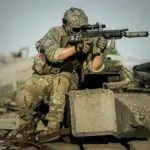
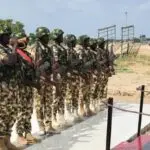
The military is a group of trained people who protect a country from enemies and danger. They use special training and equipment to keep people safe. The military helps protect people when there is danger,like robbery or attacks.
Roles of the Military in Neighbourhood Security
The military helps in protecting lives and properties. They support the police and help during big problems.
The following are roles of the military in neighbourhood security:
- They stop armed robbers and kidnappers
- They protect people during crises or war
- They guard critically important places like airports and borders
- They help to bring peace during fights or conflicts
- They support police when there is serious danger
- They assist in disaster relief efforts, such as floods or earthquakes
- They conduct patrols to deter criminal activities
- They provide security during major public events
Why We Need Military Involvement In Securing The People
The military makes our area safer and peaceful.Their work helps people live without fear.
These include:
- Peace and safety in the community
- Swift response to danger
- Protection of people and property
- Support for other security agents
- Trust from citizens during emergencies
- Enhanced security presence to deter criminals
- Specialized skills and equipment for handling complex security situations
- coordination with other security agencies for comprehensive protection
Teaching Methods
To deliver this lesson, the teacher will adopt the following methods: Discussion, Lecture, Storytelling, Explanation, Visual Aids, Group Work
Instructional Procedures
To deliver this lesson, the teacher will adopt the following steps:
Step 1: Introduction
Time: 5 min
Teaching Skill: Set Induction
Teacher’s Activity: Tells a short story of soldiers saving a town from robbers, then asks questions
Pupils’ Activity: Listen and respond to the story and questions
Step 2: Meaning of Military
Time: 5 min
Teaching Skill: Explanation
Teacher’s Activity: Explains the meaning of the military using pictures and real-life examples
Pupils’ Activity: Observe pictures and listen attentively
Step 3: Roles of the Military
Time: 10 min
Teaching Skill: Explanation
Teacher’s Activity: Uses charts and visual aids to explain how the military helps in neighbourhoods
Pupils’ Activity: Participate in discussion and answer questions
step 4: Importance of military Involvement
Time: 10 min
Teaching Skill: Discussion, Group Work
Teacher’s Activity: Organizes pupils in groups to discuss why military help is important
pupils’ Activity: Discuss in groups and list reasons on paper
Step 5: Note-Taking
Time: 3 min
Teaching Skill: Writing
Teacher’s Activity: Guides pupils to copy the lesson notes into their books
Pupils’ Activity: Copy notes neatly
Step 6: Evaluation/Review
Time: 5 min
Teaching Skill: Questioning
Teacher’s Activity: Asks pupils to answer questions based on the lesson
Pupils’ Activity: Answer questions orally
Objective-aligned checks:
- List reasons why the military should help in neighbourhood security.
- Draw a simple picture of a soldier guarding a community.
Step 7: Conclusion
Time: 2 min
Teaching Skill: Cognitive, Instructional
Teacher’s Activity: Summarizes the lesson, praises pupils, and encourages safety awareness
Pupils’ Activity: Listen, ask questions, and share final thoughts
Lesson Keywords
- Military: People trained to protect the country
- Neighbourhood: The area where people live
- Security: Being safe and free from danger
- Protect: To keep safe from harm
- Peace: A time without war or trouble
- Crises: A time of intense difficulty or danger
- Conflict: A serious disagreement or argument
Lesson Evaluation
To evaluate the learning, the teacher asks pupils to:
- What is the military?
- Mention two ways soldiers help in our neighbourhood.
- Why do we need the military to support the police?
- Draw a soldier helping people in the community.
- Say one thing you like about the military.
Assignment/Homework
- List three ways the military helps to keep Nigeria safe.
- Write a short paragraph about why it is important to respect soldiers.
- Ask your parents or guardians about a time when the military helped your community and share it in the next class.
Differentiation
- For slower learners: Teacher will support slower learners with extra explanation and use visual aids.
- For advanced learners: Advanced learners lead group tasks and present findings.
- For visual/auditory/kinesthetic learners: Use a variety of teaching methods, including visual aids, discussions, and hands-on activities, to cater to different learning styles.
Note for Teachers
Use real-life examples and relatable visuals to help pupils understand. encourage respect for security officers and use storytelling to make learning engaging.
Community Join the conversation Open discussion +