

Class: Primary 4
Term: 3rd Term
subject: National values Education
Curriculum Theme: Security Education
Previous Lesson:
topic: Ways Of Detecting Suspects
Content/Learning Area: Detecting Suspects in the neighbourhood
Performance Objectives
By the end of the lesson, pupils should be able to:
- Cognitive Domain: List common ways of detecting suspects in the neighbourhood.
- Affective Domain: Show interest in being alert and observant in their surroundings.
- Psychomotor Domain: Dramatise how to report suspicious behaviours.
- Social Domain: Work together to identify and discuss ways of staying safe in the community.
Reference Materials
The following resources were used in planning this lesson:
- 9 Years Basic Education Curriculum
- Abuja Educational Resource Center Scheme of Work
- NAPPS National Unified Scheme of Work
- Online Information from: Britannica – Suspect Definition & Meaning | Britannica Dictionary
- Relevant Textbooks
Instructional Materials
to deliver this lesson, the teacher will employ the help of the following materials:
- Charts showing different suspicious behaviours
- Flashcards with safety words and tips
- Real-life scenarios in story format
- Audio-visual clips of neighbourhood watch practices
- Whiteboard and marker
Rationale for the Lesson
This lesson helps pupils understand how to detect and report suspicious activities to stay safe and protect others in their neighbourhood.
Prerequisite/Previous Knowledge
Pupils are familiar with the concept of community and have discussed how to stay safe at home and school.
Lesson Content
Ways Of Detecting Suspects
Detecting suspects means being able to notice or find people who may want to cause trouble. we learn to look out for danger and report it to adults.
Ways to Detect Suspects
There are ways to notice suspects in the community. These actions help everyone stay alert.
These include:
- Watching carefully for strange movements
- Listening to loud or unusual sounds
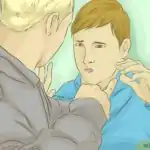
- Asking questions when someone looks lost or confused
- Noting people who come often but do not talk to anyone
- Telling adults about what you see that is not normal.
- observing individuals who seem overly nervous or anxious.
- Paying attention to vehicles that are parked in unusual locations for extended periods.
- Being aware of people wearing clothing inappropriate for the weather.
Behaviour Is Not Proof of Guilt
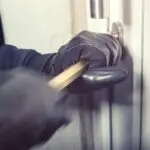
A suspicious situation is something unusual that may need checking, such as attempted forced entry, tampering with a lock or an abandoned dangerous-looking object. Clothing, ethnicity, disability, poverty or simply being unfamiliar is not evidence that a person is a criminal.
Observe from safety, remember factual details and report to a trusted adult or lawful authority. Do not follow, search, photograph closely, accuse or attack the person.
Teaching Methods
To deliver this lesson, the teacher will adopt the following methods: Discussion, lecture, Storytelling, Explanation, Visual Aids, dramatization, Group Work
Instructional Procedures
To deliver this lesson, the teacher will adopt the following steps:
Step 1: Introduction
Time: 5min
Teaching Skill: Set Induction
Teacher’s Activity: Tells a short story of a boy who helped the police by reporting a suspect.Pupils’ activity: Listen and share ideas about what the boy did
Step 2: Signs of Suspicious behavior
Time: 7min
Teaching Skill: Explanation, Visual Aids
Teacher’s Activity: Explains signs of suspicious behaviours with examples and shows flashcards.
Pupils’ Activity: Observe flashcards and give examples from their experience
Step 3: Ways to detect Suspects
Time: 8min
Teaching Skill: Discussion, Storytelling
Teacher’s Activity: Leads a discussion on ways to stay alert and detect suspects using real stories.
Pupils’ Activity: contribute ideas on how to notice trouble
Step 4: Reporting Suspects
Time: 5min
Teaching Skill: Lecture, Group Work
Teacher’s Activity: Lists people to report to and asks pupils to role-play reporting a case.
Pupils’ Activity: Take turns in dramatizing how to report suspicious activity
Step 5: Note-Taking
Time: 3min
Teaching Skill: Writing
Teacher’s Activity: Dictates summary of lesson on board and explains while writing.
Pupils’ Activity: Copy notes carefully into their books
Step 6: Evaluation/Review
Time: 5min
Teaching Skill: Questioning
teacher’s Activity: Asks questions to check understanding and gives feedback.Pupils’ Activity: Answer questions orally and participate actively
Objective-aligned checks:
- List common ways of detecting suspects in the neighbourhood.
- Work together to identify and discuss ways of staying safe in the community.
Step 7: conclusion
Time: 2min
Teaching Skill: Instructional, Social
Teacher’s Activity: Reviews key points and encourages pupils to stay alert and report when necessary.
Pupils’ Activity: Say one thing they learnt and how they will stay alert
lesson Keywords
- Suspect – someone who may have done something wrong
- Suspicious – something that seems strange or not normal
- Report – To tell an adult what you have seen
- Detect – To notice or find out
- Neighbourhood – The area where you live
Lesson Evaluation
To evaluate the learning,the teacher asks pupils to:
- Mention two signs that someone might potentially be a suspect
- List three ways to detect a suspect
- Name two people they can report a suspect to
- Explain why it is indeed crucial to detect suspects
- act out how to report something suspicious to a teacher
Assignment/Homework
- Ask your parents or guardians about safety tips in your neighbourhood.
- Write down three things you would do if you saw someone acting suspiciously near your home.
- Draw a picture of a safe place in your community where you can go if you need help.
Differentiation
- For slower learners: Teacher will support slower learners with pictures and prompts.
- For advanced learners: Fast learners will give more examples or lead group discussions.
- For visual/auditory/kinesthetic learners: Use visual aids, discussions, and role-playing to cater to different learning styles.
Note for Teachers
Use real-life examples and local community references to make the lesson relatable.Encourage pupils to report to adults and not act alone.
Community Join the conversation Open discussion +