

Class: Primary 3
Term: 1st Term
Week: 1
Age: 8 years
Duration: 40 minutes
Subject: History
Curriculum Theme: History
Previous Lesson:
Topic: Nigeria People
Content/Learning Area: Some of the Nigeria people: The Anang, Bura, Egun………
Performance Objectives
By the end of the lesson, pupils should be able to:
- Cognitive Domain: Identify some Nigerian people such as the Anang, Bura, and Egun.
- Affective Domain: Show respect and appreciation for the different cultures of Nigerian people.
- Psychomotor Domain: Draw or sketch simple cultural symbols related to the Anang, Bura, or Egun people.
- Social Domain: Work together in groups to share ideas about Nigerian people and their culture.
Reference Materials
The following resources were used in planning this lesson:
- 9 Years Basic Education Curriculum
- Abuja Educational Resource Centre Scheme of work
- NAPPS National Unified Scheme of Work
- Online information from: Wikipedia – Anaang people
- Relevant Textbooks
Instructional Materials
The teacher will teach this lesson with the aid of:
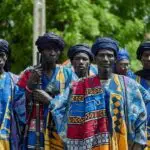
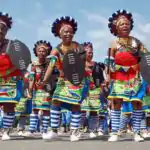
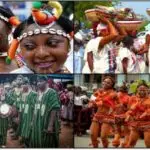
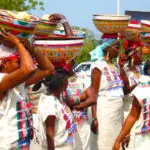
- Pictures of the Anang, Bura, and Egun people
- A Nigerian map showing different ethnic groups
- Charts displaying traditional attire and symbols
- Flashcards with names of ethnic groups
- Video clips or audio of cultural songs and dances
Rationale for the Lesson
To help pupils understand and appreciate the diversity of Nigerian people and their cultures.
Prerequisite/Previous Knowledge
Pupils already know about their own families, communities, and some festivals celebrated in Nigeria.
Lesson Content
Nigeria People: The Anang, Bura, Egun
Nigeria is made up of many groups of people called ethnic groups. Each group has its own language, dress, and way of life.
The Anang People
The Anang people live mostly in Akwa Ibom State. They are related to the Ibibio. They are known for farming, fishing, and beautiful cultural dances.
The following are features of the Anang people:
- They live mainly in Akwa Ibom State
- They are good farmers and fishermen
- They speak Anang language
- They have colourful traditional dances
The Bura People
The Bura people live in Borno and Adamawa States. They are one of the oldest groups in North-Eastern Nigeria. They are known for farming and history of the Kanem-Bornu Empire.
The following are features of the Bura people:
- They live in Borno and Adamawa States
- They grow crops like guinea corn and millet
- They have a history linked to Kanem-Bornu Empire
- They speak the Bura language
The Egun People
The Egun people live mostly in Lagos and Ogun States. They are related to the Yoruba. They are known for trading, fishing, and colourful festivals.
The following are features of the Egun people:
- They live in Lagos and Ogun States
- They are fishermen and traders
- They speak Egun language
- They celebrate lively festivals
Teaching Methods
Discussion, Lecture, Storytelling, Explanation, Visual Aids, Group Work
Instructional Procedures
To deliver this lesson, the teacher will adopt the following steps:
Step 1: Introduction
Time: 5 mins
Teaching Skill: Set Induction
Teacher’s Activity: Teacher reviews what pupils know about Nigerian families and communities, shows pictures of different Nigerian groups, and asks pupils questions about what they see.
Pupils’ Activity: Pupils answer questions and share what they know.
Learning Point: Pupils get ready and interested in the lesson.
Step 2: The Anang People
Time: 7 mins
Teaching Skill: Explanation, Storytelling
Teacher’s Activity: Teacher explains who the Anang people are, their location, language, and occupation. Teacher shows charts of their attire and festivals.
Pupils’ Activity: Pupils listen, observe, and ask questions.
Learning Point: Pupils learn about the Anang people.
Step 3: The Bura People
Time: 7 mins
Teaching Skill: Explanation, Discussion
Teacher’s Activity: Teacher explains who the Bura people are, their farming culture, and history. Teacher points on the map their location.
Pupils’ Activity: Pupils listen, ask questions, and take notes.
Learning Point: Pupils learn about the Bura people.
Step 4: The Egun People
Time: 7 mins
Teaching Skill: Lecture, Visual Aids
Teacher’s Activity: Teacher explains where the Egun people live, their activities, and festivals. Teacher shows pictures of Egun traditional attire.
Pupils’ Activity: Pupils observe, listen, and participate in the discussion.
Learning Point: Pupils learn about the Egun people.
Step 5: Note Taking
Time: 5 mins
Teaching Skill: Writing, Reinforcement
Teacher’s Activity: Teacher dictates short notes on the Anang, Bura, and Egun people.
Pupils’ Activity: Pupils copy notes into their books.
Learning Point: Pupils record lesson content for revision.
Step 6: Evaluation
Time: 5 mins
Teaching Skill: Questioning
Teacher’s Activity: Teacher asks pupils to recall features of Anang, Bura, and Egun people.
Pupils’ Activity: Pupils respond orally.
Learning Point: Pupils show understanding of the lesson.
Objective-aligned checks:
- Identify some Nigerian people such as the Anang, Bura, and Egun.
- Show respect and appreciation for the different cultures of Nigerian people.
- Draw or sketch simple cultural symbols related to the Anang, Bura, or Egun people.
Step 7: Conclusion
Time: 4 mins
Teaching Skill: Closure (Instructional, Cognitive)
Teacher’s Activity: Teacher summarizes lesson and encourages pupils to respect all Nigerian people and cultures.
Pupils’ Activity: Pupils listen and respond positively.
Learning Point: Pupils develop appreciation for Nigerian diversity.
Home Task: Write a short, evidence-based paragraph about one safe and relevant example of Nigeria People.
Lesson Keywords
- Ethnic group: A group of people with the same language and culture
- Culture: The way of life of a people
- Anang: An ethnic group in Akwa Ibom State
- Bura: An ethnic group in Borno and Adamawa States
- Egun: An ethnic group in Lagos and Ogun States
Lesson Evaluation
To evaluate the learning, the teacher asks pupils to:
- Mention one Nigerian group studied in the lesson.
- State where the Anang people live.
- What is the main occupation of the Bura people?
- Name one festival celebrated by the Egun people.
- Define what an ethnic group means.
Differentiation
The teacher will support slower learners with repeated explanations and pictures, while advanced learners may be asked to describe additional Nigerian groups they know.
Note for teachers using this lesson plan
Encourage pupils to share their own cultural background with the class to make the lesson more interactive. Use real-life examples and local experiences to make the topic relatable.
Community Join the conversation Open discussion +