

class: Primary Three
Term: Third Term
Subject: History
Curriculum Theme:
Previous Lesson: Ancient Towns In Nigeria, Kano and Okene
Topic: Ancient Towns In Nigeria; Onitsha & Oyo
Content/learning Area: Identifying the locations of Onitsha and oyo, appreciating the historical meaning of ancient towns, Sketching a simple map showing locations, Discussing the cultural heritage of Onitsha and Oyo
Time Allocation: 40 minutes
Performance Objectives
By the end of the lesson, pupils should be able to:
- Cognitive Domain:
– Identify the locations of Onitsha and Oyo on a map of Nigeria.
– Appreciate the historical significance of ancient towns in Nigeria.
- Affective Domain:
– Show interest in learning about Nigerian history.
- Psychomotor Domain:
– Sketch a simple map showing the location of Onitsha and Oyo.
- Social Domain:
– Discuss the cultural heritage of Onitsha and Oyo with peers.
Reference Materials
- 9 – Years Basic Education Curriculum
- Abuja Educational Resource Center Scheme of Work
- NAPPS National Unified Scheme of Work
- Online Details
- Relevant Textbooks
Instructional materials
To deliver this lesson, the teacher will use the following materials:
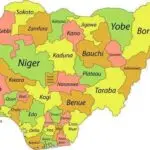
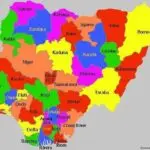
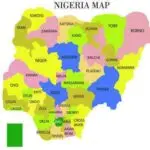
- Map of Nigeria
- Pictures of Onitsha and oyo
- Whiteboard or chart paper
- Markers or crayons
Rationale for the Lesson
Understanding the history of onitsha and Oyo helps pupils appreciate Nigeria’s rich past and diverse cultural heritage, fostering a sense of national identity.
Prerequisite/Previous Knowledge
The teacher will start by asking pupils what they remember from the previous lesson on ancient towns.A rapid review of Kano and Okene will be done,followed by introducing Onitsha and Oyo as two more significant ancient towns.
Lesson Content
Ancient Towns In nigeria; Onitsha And Oyo
Onitsha and Oyo are two vital ancient towns in nigeria.
Onitsha
Onitsha is a historically significant town in Nigeria, known for its trading activities and cultural heritage.
Key facts about Onitsha include:
- Location: Eastern bank of the Niger River in Anambra State.
- history: major trading port with a rich cultural heritage.
- Festival: Famous for its annual Ofala Festival,celebrating the traditional ruler.
- Economy: Known for its bustling markets, such as the Onitsha Main Market, a major commercial hub in Nigeria.
- Landmarks: Features notable landmarks like the Niger Bridge, connecting Onitsha to other parts of Nigeria.

Oyo
Oyo is a town with a rich historical background, especially as the heart of the old Oyo empire.
Main features of Oyo are:
- Location: Southwestern Nigeria, in Oyo State.
- History: Center of the Oyo Empire,a powerful Yoruba kingdom.
- Leadership: Known for its traditional leadership, with the Alaafin of Oyo as the paramount ruler.
- Culture: Rich cultural heritage, including traditional music, dance, and art.
- Agriculture: An agricultural center,producing crops like yam,maize,and cassava.
- Tourism: Home to historical sites such as the Old Oyo National Park, preserving the remnants of the Oyo Empire.
Teaching Methods
To deliver this lesson, the teacher will adopt the following methods: Discussion, Question and answer, Map work, Group activity
Instructional procedures
To deliver this lesson, the teacher will adopt the following steps:
Step 1: Introduction (Set Induction)
Time: 5 minutes
Teaching Skill: Questioning
Teacher’s Activity: Review previous lesson, introduce Onitsha and Oyo.
Pupils’ Activity: Respond to questions, listen attentively.
Step 2: Clarification of Key Concepts
Time: 10 minutes
Teaching Skill: Explaining
Teacher’s Activity: Explain key facts about Onitsha and Oyo using the map and pictures.
Pupils’ Activity: Listen, ask questions, take notes.
Step 3: Presentation/Guided Practice
Time: 10 minutes
Teaching Skill: Demonstrating
Teacher’s Activity: Demonstrate how to sketch a simple map showing the locations.
pupils’ Activity: Observe, ask questions, practice sketching.
Step 4: self-Reliant Practice
Time: 5 minutes
Teaching Skill: Monitoring
Teacher’s Activity: Supervise pupils as they complete their map sketches.
Pupils’ Activity: Complete map sketches independently.
Step 5: Note-Taking
Time: 5 minutes
Teaching Skill: Guiding
Teacher’s Activity: Guide pupils in summarizing key points.Pupils’ Activity: Take notes, summarize key points.
Step 6: Evaluation/Review
Time: 5 minutes
Teaching Skill: Questioning
Teacher’s Activity: Ask evaluation questions.
Pupils’ Activity: Answer questions.
Step 7: Conclusion
Time: 2 minutes
Teaching Skill: Summarizing
Teacher’s Activity: Summarize the key points about Onitsha and Oyo.
Pupils’ activity: Listen and recap the main points.
Lesson Keywords
- Onitsha – A major trading port in Anambra State with a rich cultural heritage.
- Oyo – the center of the Oyo Empire in Oyo State,known for its traditional leadership.
- Ofala Festival – An annual festival celebrated in Onitsha, honoring the traditional ruler.
- Alaafin – The title of the traditional ruler of Oyo.
- Cultural Heritage – The traditions,customs,and historical background of a place.
Lesson Evaluation
To evaluate the learning, the teacher asks pupils to:
- In which state is Onitsha located?
- What is Oyo famous for?
- What is the name of the annual festival celebrated in Onitsha?
- what is the name of the traditional ruler of Oyo?
- Can you name one cultural practice that is unique to either Onitsha or Oyo?
Assignment/Homework
- Draw a map of Nigeria and mark the locations of Onitsha and Oyo.
- Write a short paragraph about the history of either Onitsha or Oyo.
- Find pictures of the Ofala Festival in Onitsha or traditional ceremonies in Oyo.
Differentiation
- For slower learners: Provide one-on-one assistance with map sketching and simplify key facts.
- For advanced learners: Encourage them to research and present additional information about Onitsha and Oyo.
- For visual/auditory/kinesthetic learners: Use visual aids, discussions, and hands-on activities like map sketching.
Note for Teachers
Ensure to use visual aids and interactive discussions to engage pupils.Provide clear and concise explanations, and encourage pupils to ask questions. Supervise map sketching closely to ensure accuracy.
Community Join the conversation Open discussion +