

Class: Primary 3
Term: 1st Term
Week: 3
Age: 8 years
Duration: 40 minutes
Subject: History
Curriculum Theme: History
Previous Lesson: Nigeria People, Efik, Ibibio, Fulani
Topic: Nigeria People: The Idoma, Igala, Kalabari, Ogini People
Content/Learning Area: Some of the Nigeria people: The Idoma, Igala, Kalabari, Ogini People………
Performance Objectives
By the end of the lesson, pupils should be able to:
- Cognitive Domain: Identify some Nigerian ethnic groups such as the Idoma, Igala, Kalabari, and Ogini people.
- Affective Domain: Appreciate the cultural uniqueness of the Idoma, Igala, Kalabari, and Ogini people.
- Psychomotor Domain: Demonstrate through role play or drawing some traditional features of these groups.
- Social Domain: Interact with peers to share ideas about the traditions and ways of life of these Nigerian people.
Reference Materials
The following resources were used in planning this lesson:
- 9 Years Basic Education Curriculum
- Abuja Educational Resource Centre Scheme of work
- NAPPS National Unified Scheme of Work
- Online information from: Wikipedia – Idoma people
- Relevant Textbooks
Instructional Materials
The teacher will teach this lesson with the aid of:
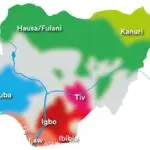
- Wall charts showing Nigerian ethnic groups
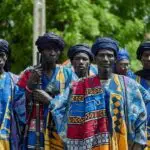
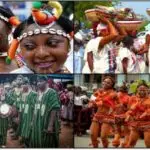
- Pictures of traditional clothing and festivals of the Idoma, Igala, Kalabari, and Ogini people
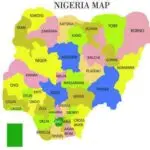
- A Nigeria map showing locations of these groups
- Flash cards with names of the groups
- Chalkboard and marker
Rationale for the Lesson
This lesson helps pupils recognize the cultural diversity of Nigeria and promotes respect and unity among people from different ethnic groups.
Prerequisite/Previous Knowledge
Pupils have seen different cultural festivals in their communities and may already know that Nigeria is made up of many people with different ways of life.
Lesson Content
Nigeria People: The Idoma, Igala, Kalabari, Ogini People
Nigeria is a country made up of many different people. Some of these people are the Idoma, Igala, Kalabari, and Ogini. Each group has its own culture, food, and traditions.
The Idoma People
The Idoma people are found in Benue State. They are known for farming and hunting. Their traditional colors are red and black.
The Igala People
The Igala people are found in Kogi State. They have a famous king called the Attah of Igala. They celebrate many traditional festivals.
The Kalabari People
The Kalabari people are found in Rivers State. They are fishermen and traders. They also make beautiful masks and carvings.
The Ogini People
The Ogini people are also from Rivers State. They are known for farming, fishing, and weaving. They live close to the river and use canoes for transport.
Importance of These Nigerian People
The following are the importance of these groups:
- They help to make Nigeria rich in culture
- They provide food through farming and fishing
- They add beauty with their festivals and art
- They teach unity and peace through their traditions
Teaching Methods
Discussion, Storytelling, Explanation, Question and Answer, Use of Visual Aids, Group Work
Instructional Procedures
To deliver this lesson, the teacher will adopt the following steps:
Step 1: Introduction
Time: 5 mins
Teaching Skill: Set Induction
Teacher’s Activity: Teacher reviews the previous lesson by asking pupils to mention some Nigerian ethnic groups they know, and introduces today’s topic using a map and pictures.
Pupils’ Activity: Pupils respond and listen with interest.
Learning Point: Pupils get ready to learn about Idoma, Igala, Kalabari, and Ogini people.
Step 2: The Idoma People
Time: 5 mins
Teaching Skill: Explanation
Teacher’s Activity: Teacher explains who the Idoma are, where they live, and their culture. Shows their cloth (red and black).
Pupils’ Activity: Pupils observe, listen, and repeat the name "Idoma."
Learning Point: Pupils learn about the Idoma people.
Step 3: The Igala People
Time: 7 mins
Teaching Skill: Storytelling
Teacher’s Activity: Teacher narrates about the Igala and their king, the Attah of Igala. Teacher shows pictures of Igala festival.
Pupils’ Activity: Pupils listen and discuss what they see.
Learning Point: Pupils understand the Igala people and their king.
Step 4: The Kalabari People
Time: 7 mins
Teaching Skill: Explanation
Teacher’s Activity: Teacher explains where the Kalabari are found and what they do. Shows pictures of their masks.
Pupils’ Activity: Pupils observe and identify Kalabari crafts.
Learning Point: Pupils learn that the Kalabari are fishermen and traders.
Step 5: The Ogini People
Time: 6 mins
Teaching Skill: Explanation
Teacher’s Activity: Teacher explains the Ogini culture, farming, and weaving. Shows a canoe drawing.
Pupils’ Activity: Pupils observe, listen, and ask questions.
Learning Point: Pupils learn about Ogini people’s life near the river.
Step 6: Importance of These People
Time: 4 mins
Teaching Skill: Discussion
Teacher’s Activity: Teacher lists the importance of the groups to Nigeria.
Pupils’ Activity: Pupils repeat the points and copy them.
Learning Point: Pupils understand why these groups are important.
Step 7: Note Taking
Time: 3 mins
Teaching Skill: Writing
Teacher’s Activity: Teacher dictates short class notes.
Pupils’ Activity: Pupils write in their notebooks.
Learning Point: Pupils have written records of the lesson.
Step 8: Evaluation
Time: 2 mins
Teaching Skill: Questioning
Teacher’s Activity: Teacher asks pupils simple questions to test their understanding.
Pupils’ Activity: Pupils answer individually.
Learning Point: Teacher checks pupils’ comprehension.
Objective-aligned checks:
- Identify some Nigerian ethnic groups such as the Idoma, Igala, Kalabari, and Ogini people.
- Demonstrate through role play or drawing some traditional features of these groups.
Step 9: Conclusion
Time: 1 min
Teaching Skill: Closure
Teacher’s Activity: Teacher summarizes the lesson, praises pupils, and encourages respect for different groups.
Pupils’ Activity: Pupils listen and respond with applause.
Learning Point: Pupils appreciate cultural diversity.
Home Task: Write a short, evidence-based paragraph about one safe and relevant example of Nigeria People: The Idoma, Igala, Kalabari, Ogini People.
Lesson Keywords
- Idoma: A Nigerian ethnic group from Benue State
- Igala: An ethnic group from Kogi State with the Attah as king
- Kalabari: A fishing and trading group from Rivers State
- Ogini: A farming and fishing group from Rivers State
- Culture: The way of life of a group of people
Lesson Evaluation
To evaluate the learning, the teacher asks pupils to:
- Mention where the Idoma people are found.
- Who is the traditional ruler of the Igala people?
- What do the Kalabari people do for a living?
- What are the Ogini people known for?
- State two reasons why these people are important to Nigeria.
Differentiation
Teacher provides extra explanation with pictures for slower learners and encourages brighter pupils to assist their peers during group activities.
Note for teachers using this lesson plan
Teachers should use maps, pictures, and real objects where possible to make the lesson lively. Encourage pupils to respect each other’s cultures and to share personal experiences of cultural events.
Community 1 comment Open discussion +