

Class: Primary 3
Term: 1st Term
Week: 11
Age: 8 years
Duration: 40 minutes
Subject: History
Curriculum Theme: History
Previous Lesson: Location Of The Yoruba People
Topic: Location Of The Igbo People
Content/Learning Area: Igbo people occupy the South Eastern part of Nigeria. They are one of the three major ethnic groups in Nigeria and are known for their rich culture, language, and traditions.
Performance Objectives
By the end of the lesson, pupils should be able to:
- Cognitive Domain: Identify the location of the Igbo people on the map of Nigeria.
- Affective Domain: Appreciate the Igbo culture and respect the uniqueness of their traditions.
- Psychomotor Domain: Point out and shade the South Eastern part of Nigeria where the Igbo people live on a map.
- Social Domain: Share ideas with classmates about how knowing one’s location and culture helps in building unity.
Reference Materials
The following resources were used in planning this lesson:
- 9 Years Basic Education Curriculum
- Abuja Educational Resource Centre Scheme of work
- NAPPS National Unified Scheme of Work
- Online information from: Britannica – Igbo | Culture, Lifestyle, & Facts
- Relevant Textbooks
Instructional Materials
The teacher will teach this lesson with the aid of:
- A wall map of Nigeria
- Pictures of Igbo traditional attire and cultural practices
- Flash cards with ethnic groups’ names
- Chalkboard and chalk
- Atlas or globe
Rationale for the Lesson
Understanding the location of the Igbo people helps pupils know the different ethnic groups in Nigeria and promotes national unity.
Prerequisite/Previous Knowledge
Pupils have seen and heard about different ethnic groups in Nigeria and can mention some popular tribes like Hausa, Yoruba, and Igbo.
Lesson Content
Location Of The Igbo People
The Igbo people live in the South Eastern part of Nigeria. They are known for their rich traditions, farming, and trading. The Igbo speak the Igbo language.
Geographical Location
The Igbo people are found in states like Anambra, Imo, Abia, Enugu, and Ebonyi. These states are in the South Eastern part of Nigeria.
Occupation of the Igbo People
The Igbo people are hardworking. They do farming, trading, and handcrafts. They also work in towns and cities.
Culture and Tradition
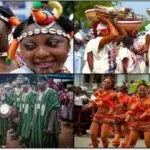
The Igbo people have special ways of dressing, greeting, and celebrating. They celebrate the New Yam Festival every year. They also use kola nut to show respect to visitors.
Locating Igbo Communities
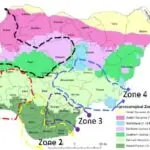
Igbo people are found mainly in south-eastern Nigeria, especially in Abia, Anambra, Ebonyi, Enugu and Imo States, with long-established communities in Delta and Rivers States and throughout Nigeria.
A map shows common areas of settlement, not a boundary around every Igbo person. Migration means people live and work in many states. Language and culture have local varieties, so pupils should avoid saying that every Igbo community is exactly the same.
Teaching Methods
Discussion, Lecture, Storytelling, Explanation, Visual Aids, Group Work
Instructional Procedures
To deliver this lesson, the teacher will adopt the following steps:
Step 1: Introduction
Time: 5 mins
Teaching Skill: Set Induction
Teacher’s Activity: Teacher shows a map of Nigeria and asks pupils to mention some tribes they know.
Pupils’ Activity: Pupils mention Hausa, Yoruba, Igbo and others.
Learning Point: Pupils recall knowledge of tribes.
Step 2: Location of Igbo
Time: 7 mins
Teaching Skill: Explanation
Teacher’s Activity: Teacher points to the South Eastern part of Nigeria on the map and names the Igbo states.
Pupils’ Activity: Pupils observe and repeat the names of the states.
Learning Point: Pupils identify Igbo states on the map.
Step 3: Occupation of Igbo People
Time: 8 mins
Teaching Skill: Discussion
Teacher’s Activity: Teacher explains the main occupations of the Igbo people with examples like farming and trading.
Pupils’ Activity: Pupils listen and mention examples of work Igbo people do.
Learning Point: Pupils understand Igbo occupations.
Step 4: Culture and Tradition
Time: 8 mins
Teaching Skill: Storytelling
Teacher’s Activity: Teacher narrates how the Igbo celebrate the New Yam Festival and show respect with kola nut.
Pupils’ Activity: Pupils listen and share what they know about festivals.
Learning Point: Pupils learn Igbo cultural practices.
Step 5: Importance of Knowing Location
Time: 5 mins
Teaching Skill: Explanation
Teacher’s Activity: Teacher explains the importance of knowing where the Igbo people live.
Pupils’ Activity: Pupils listen and write down the points.
Learning Point: Pupils understand the value of knowing locations.
Step 6: Note Taking
Time: 3 mins
Teaching Skill: Writing
Teacher’s Activity: Teacher dictates key notes for pupils to copy into their books.
Pupils’ Activity: Pupils write neatly in their notes.
Learning Point: Pupils retain written record.
Step 7: Evaluation
Time: 3 mins
Teaching Skill: Questioning
Teacher’s Activity: Teacher asks pupils to answer questions based on the lesson.
Pupils’ Activity: Pupils respond to questions.
Learning Point: Pupils show understanding of the topic.
Step 8: Conclusion
Time: 1 min
Teaching Skill: Closure
Teacher’s Activity: Teacher reviews the lesson, praises pupils’ participation, and encourages respect for other cultures.
Pupils’ Activity: Pupils listen and ask final questions.
Learning Point: Pupils consolidate learning.
Home Task: Write a short, evidence-based paragraph about one safe and relevant example of Location Of The Igbo People.
Lesson Keywords
- Igbo – A major ethnic group in Nigeria.
- South East – The region where Igbo people live.
- Culture – The way of life of a people.
- Occupation – The type of work people do.
- Festival – A time of celebration in a community.
Lesson Evaluation
To evaluate the learning, the teacher asks pupils to:
- Mention the region where the Igbo people live.
- List two states where Igbo people are found.
- Write two occupations of the Igbo people.
- Mention one Igbo festival.
- State two importance of knowing the location of the Igbo people.
Differentiation
The teacher will support slower learners with pictures and map pointing, while faster learners can be asked to explain more about Igbo culture.
Note for teachers using this lesson plan
Encourage pupils to relate the Igbo culture to their own culture at home. Use real-life examples and simple language for clarity. Ensure all pupils participate actively.


Community Join the conversation Open discussion +