

Class: Primary 3
Term: 1st Term
Week: 7
Age: 8 years
Duration: 40 minutes
Subject: History
Curriculum Theme: History
Previous Lesson: Nigeria People, Kanuri, Kamuntong, Waka Ikulu People
Topic: Location Of Some Nigeria People: Igbo Yoruba, Hausa People
Content/Learning Area: Location Of Igbo Yoruba and Hausa People
Performance Objectives
By the end of the lesson, pupils should be able to:
- Cognitive Domain: Identify the location of the Igbo, Yoruba, and Hausa people in Nigeria.
- Affective Domain: Appreciate the cultural diversity of Nigerian people.
- Psychomotor Domain: Draw and label a simple outline map of Nigeria showing Igbo, Yoruba, and Hausa locations.
- Social Domain: Work in groups to discuss the different ethnic locations and share findings.
Reference Materials
The following resources were used in planning this lesson:
- 9 Years Basic Education Curriculum
- Abuja Educational Resource Centre Scheme of Work
- NAPPS National Unified Scheme of Work
- Online information from: Britannica – Ethnic group | Definition, Meaning, Characteristics & Examples
- Relevant Textbooks
Instructional Materials
The teacher will teach this lesson with the aid of:
- Wall maps of Nigeria
- Chart showing ethnic groups in Nigeria
- Flashcards with ethnic group names
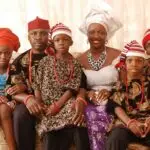
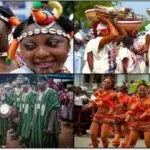
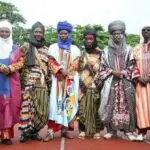
- Pictures of people in traditional attire (Igbo, Yoruba, Hausa)
- Drawing materials (markers, cardboard)
Rationale for the Lesson
This lesson helps pupils understand the location of major ethnic groups in Nigeria and appreciate the cultural diversity of the country.
Prerequisite/Previous Knowledge
Pupils already know that Nigeria is made up of many people and tribes living in different parts of the country.
Lesson Content
Location Of Some Nigeria People: Igbo, Yoruba, Hausa People
Nigeria is a country with many groups of people. Three of the largest groups are the Igbo, Yoruba, and Hausa. Each group lives in a special part of Nigeria.
The Igbo People
The Igbo people live in the eastern part of Nigeria. They are mostly found in states like Anambra, Enugu, Imo, Abia, and Ebonyi.
They are known for trading and farming.
The Yoruba People
The Yoruba people live in the western part of Nigeria. They are found in states like Lagos, Ogun, Oyo, Osun, Ondo, and Ekiti.
They are known for their art, festivals, and farming.
The Hausa People
The Hausa people live in the northern part of Nigeria. They are found in states like Kano, Katsina, Sokoto, and Kaduna.
They are known for trading, farming, and rearing animals.
Teaching Methods
Discussion, Lecture, Storytelling, Explanation, Visual Aids, Group Work
Instructional Procedures
To deliver this lesson, the teacher will adopt the following steps:
Step 1: Introduction
Time: 5 mins
Teaching Skill: Set Induction
Teacher’s Activity: Teacher reviews the previous lesson and asks pupils questions about people living in different parts of Nigeria. Teacher shows a wall map of Nigeria.
Pupils’ Activity: Pupils answer questions and look at the map.
Learning Point: Pupils recall prior knowledge and get ready for new learning.
Step 2: Location of Igbo People
Time: 7 mins
Teaching Skill: Explanation, Visual Aid
Teacher’s Activity: Teacher explains that Igbo people live in the eastern part of Nigeria, showing the map.
Pupils’ Activity: Pupils listen, observe, and repeat after the teacher.
Learning Point: Pupils learn where the Igbo people live.
Step 3: Location of Yoruba People
Time: 7 mins
Teaching Skill: Storytelling, Discussion
Teacher’s Activity: Teacher tells a short story about Yoruba festivals and points out their states on the map.
Pupils’ Activity: Pupils listen, ask questions, and identify Yoruba locations.
Learning Point: Pupils learn where the Yoruba people live.
Step 4: Location of Hausa People
Time: 7 mins
Teaching Skill: Explanation, Group Work
Teacher’s Activity: Teacher explains Hausa people’s location in northern Nigeria and their activities.
Pupils’ Activity: Pupils listen and mention examples of Hausa states.
Learning Point: Pupils learn where the Hausa people live.
Step 5: Importance of Knowing Locations
Time: 5 mins
Teaching Skill: Discussion
Teacher’s Activity: Teacher explains why it is important to know Nigerian people’s locations.
Pupils’ Activity: Pupils contribute answers and give examples.
Learning Point: Pupils understand the value of respecting diversity.
Step 6: Note Taking
Time: 3 mins
Teaching Skill: Writing
Teacher’s Activity: Teacher dictates and writes the summary on the board.
Pupils’ Activity: Pupils copy the note into their books.
Learning Point: Pupils have written records of the lesson.
Step 7: Evaluation
Time: 3 mins
Teaching Skill: Questioning
Teacher’s Activity: Teacher asks pupils questions to check understanding.
Pupils’ Activity: Pupils answer questions.
Learning Point: Teacher checks learning achievement.
Objective-aligned checks:
- Identify the location of the Igbo, Yoruba, and Hausa people in Nigeria.
- Draw and label a simple outline map of Nigeria showing Igbo, Yoruba, and Hausa locations.
Step 8: Conclusion
Time: 3 mins
Teaching Skill: Instructional, Cognitive, Social
Teacher’s Activity: Teacher summarizes the lesson, praises pupils’ effort, and encourages them to learn about their neighbors’ culture.
Pupils’ Activity: Pupils listen and respond with interest.
Learning Point: Pupils consolidate knowledge and feel encouraged.
Home Task: Write a short, evidence-based paragraph about one safe and relevant example of Location Of Some Nigeria People: Igbo Yoruba, Hausa People.
Lesson Keywords
- Igbo – People living in the east of Nigeria
- Yoruba – People living in the west of Nigeria
- Hausa – People living in the north of Nigeria
- Culture – Way of life of people
- Diversity – Differences among people in the same country
Lesson Evaluation
To evaluate the learning, the teacher asks pupils to:
- Where do the Igbo people live?
- Mention two states where Yoruba people are found.
- Which part of Nigeria do the Hausa people live?
- State two things the Hausa people are known for.
- Give two reasons why it is important to know where Nigerian people live.
Differentiation
Teacher supports slower learners with pictures and maps while advanced learners draw Nigeria and label the ethnic groups’ locations.
Note for teachers using this lesson plan
Use real maps and pictures to make the lesson practical. Encourage pupils to discuss and share what they know about their own tribe. Always connect the lesson to unity and respect for diversity.

Community Join the conversation Open discussion +