

Class: Junior Secondary School 2 (JSS2, JSS 2)
Term: 1st Term
Week: 2
Age: 13 years
Duration: 45 minutes
Subject: Cultural And Creative Arts
Curriculum Theme: Cultural And Creative Arts
Previous Lesson: Elements of Design, Line, Colour, Form, Space and Texture
Topic: Practical Work On Elements Of Design
Subject Matter: Application of elements of design using types of lines.
Specific Objectives
By the end of the lesson, pupils should be able to:
- Cognitive Domain:
(a) Identify and describe the different types of lines used in design.
(b) Explain how lines are applied in creating patterns and designs. - Affective Domain:
(a) Show appreciation for neatness and creativity in design work. - Psychomotor Domain:
(a) Use different types of lines to create simple artistic patterns. - Social Domain:
(a) Work cooperatively in groups during the practical drawing session.
Reference Materials
The following resources was used in planning this lesson:
- 9 Years Basic Education Curriculum
- Lagos State Unified Scheme of Work for Junior Secondary Schools
- ThoughtCo – “The Elements of Art: Line” (https://www.thoughtco.com/the-elements-of-art-line-2577514)
- Relevant Textbooks
Instructional Materials
The teacher will teach this lesson with the aid of:
- Drawing papers or sketch pads
- Pencils, erasers, and rulers
- Chart showing types of lines (e.g., straight, curved, zigzag, wavy)
- Samples of artworks that apply different types of lines
- Board and markers
Rationale for the Lesson
This lesson enables students to apply their understanding of line types practically in creating simple designs, improving creativity and artistic expression.
Prerequisite/Previous Knowledge
Pupils have previously been taught the elements of design and can identify line as one of them. They have also practiced basic freehand drawing in earlier classes.
Lesson Content/Board Summary
Practical Work on Elements of Design
Meaning of Line in Design
A line is a continuous mark made on a surface by a moving point, such as a pencil or brush. Lines are the foundation of every design and are used to create shapes, textures, and patterns in art.
Types of Lines
Lines come in different forms and appearances. Each type of line can express different feelings or add various effects to a design.
The following are the main types of lines:
- Straight lines – used to create order, strength, and structure.
- Curved lines – used to show softness, movement, and beauty.
- Zigzag lines – used to express energy, excitement, or danger.
- Wavy lines – used to represent calmness, flow, or rhythm.
- Vertical lines – show height, stability, and strength.
- Horizontal lines – show rest, balance, and peace.
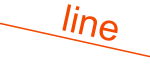
- Diagonal lines – show motion, action, and direction.
Application of Lines in Design
Lines can be applied in various ways to form creative designs and artistic compositions. Designers and artists use them to create visual interest and meaning in their work.
The following are ways lines can be applied in design:
- To outline shapes and objects.
- To create patterns and decorations.
- To represent texture and movement.
- To divide space within a design.
- To direct the viewer’s eye across the artwork.
- To express emotions and ideas through visual rhythm.
Practical Activity
Pupils will draw patterns using different types of lines to decorate a border or simple object (like a flower vase, box, or fabric pattern). Each line type should be used creatively to show its unique quality and function in the design.
Teaching Methods/Instructional Techniques:
Discussion, Explanation, Demonstration, Practical Work, Group Work, Question and Answer
Instructional Procedures
To deliver this lesson, the teacher will adopt the following steps:
Step 1: Introduction
Time: 5 minutes
Teaching Skill: Set Induction
Teacher’s Activity: Teacher displays artworks with visible line patterns and asks pupils what element of design is most used in them.
Pupils’ Activity: Pupils observe and respond by identifying “lines” in the artworks.
Learning Point: Pupils recall that lines are essential in all designs.
Step 2: Explanation of Line Types
Time: 10 minutes
Teaching Skill: Explanation
Teacher’s Activity: The teacher explains the different types of lines using charts and examples.
Pupils’ Activity: Pupils listen and observe examples of various line types.
Learning Point: Pupils understand and can identify different types of lines.
Step 3: Application of Lines in Design
Time: 10 minutes
Teaching Skill: Discussion
Teacher’s Activity: The teacher explains how lines are used in design and shows examples of objects and artworks.
Pupils’ Activity: Pupils discuss how lines can be used to create patterns and decorations.
Learning Point: Pupils understand how lines function in real artwork and design.
Step 4: Practical Drawing Exercise
Time: 15 minutes
Teaching Skill: Demonstration and Supervision
Teacher’s Activity: The teacher demonstrates how to draw a simple design using various lines, then supervises pupils as they create their own designs.
Pupils’ Activity: Pupils draw patterns using different types of lines creatively.
Learning Point: Pupils apply line types to produce original designs.
Step 5: Note-Taking
Time: 3 minutes
Teaching Skill: Explanation
Teacher’s Activity: Teacher writes the board summary for pupils to copy.
Pupils’ Activity: Pupils copy notes neatly into their books.
Learning Point: Pupils record key ideas for future study.
Step 6: Evaluation/Review
Time: 3 minutes
Teaching Skill: Questioning
Teacher’s Activity: The teacher evaluates the learning by asking the following questions:
- List four types of lines used in design.
- Mention three ways lines can be applied in artwork.
- What does a wavy line represent?
- Why is line important in design?
Pupils’ Activity: Pupils respond orally.
Learning Point: Pupils demonstrate comprehension of lesson objectives.
Step 7: Conclusion
Time: 2 minutes
Teaching Skill: Reinforcement
Teacher’s Activity: The teacher summarizes key points and commends creative effort during practical work.
Pupils’ Activity: Pupils listen and ask questions.
Learning Point: Pupils appreciate the creative use of lines in design.
Lesson Keywords
- Line – a continuous mark made by a moving point.
- Design – arrangement of elements to create a work of art.
- Pattern – repeated arrangement of lines or shapes.
- Texture – the feel or appearance of a surface in art.
- Composition – the way elements are arranged in artwork.
Differentiation
Teacher provides simplified patterns and guidance for slower learners, while fast learners create more complex designs and assist their peers.
Note for teachers using this lesson plan
Encourage originality and neatness during practical exercises. Ensure all pupils participate actively and correct poor handling of drawing tools immediately.
Community Join the conversation Open discussion +