

Class: Junior Secondary School 2 (JSS2, JSS 2)
Term: 2nd Term
Week: 5
Age: 13 years
Duration: 45 minutes
Subject: Cultural And Creative Arts
Curriculum Theme: Cultural And Creative Arts
Previous Lesson: Production of Beadwork Jewellery
Topic: Uses Of Beadwork
Subject Matter: Ornamental, Aesthetic, Decoration, Functional purposes
Specific Objectives
By the end of the lesson, pupils should be able to:
- Cognitive Domain:
(a) Define beadwork and identify its various uses.
(b) Explain the importance of beadwork in decoration and functional purposes. - Affective Domain:
(a) Appreciate beadwork as an important aspect of Nigerian culture.
(b) Show interest and respect for traditional crafts and artisans. - Psychomotor Domain:
(a) Demonstrate simple beadwork designs for decoration or personal use.
(b) Handle beads and threading tools with care and precision. - Social Domain:
(a) Collaborate in small groups to create beadwork projects.
(b) Share knowledge about beadwork uses with peers.
Reference Materials
The following resources were used in planning this lesson:
- 9 Years Basic Education Curriculum
- Lagos State Unified Scheme of Work for Junior Secondary Schools
- Interweave – Just for Fun: 10 Other Uses for Beads
- Relevant Textbooks
Instructional Materials
The teacher will teach this lesson with the aid of:
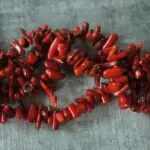
- Samples of Nigerian beads (coral, glass, wooden, and clay beads)
- Threading needles and string
- Beadwork designs and charts
- Pictures of traditional bead ornaments
- Slide presentation on beadwork uses
- Whiteboard and markers
Rationale for the Lesson
This lesson enables pupils to appreciate the cultural, aesthetic, and functional value of beadwork, enhancing creativity and cultural awareness.
Prerequisite/Previous Knowledge
Pupils are expected to have basic knowledge of Nigerian traditional arts and crafts and some informal experience with decorative items.
Lesson Content/Board Summary
Uses of Beadwork
Ornamental Use
Beadwork is commonly used to beautify clothing, accessories, and living spaces. Its patterns and colors enhance visual appeal and reflect personal or cultural identity.
The following are examples of ornamental use:
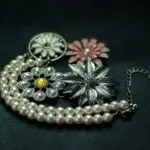
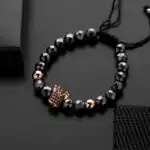
- Necklaces, bracelets, and anklets
- Decorative embroidery on clothing
- Wall hangings and home décor items
Aesthetic Use
Beadwork contributes to aesthetic expression by combining colors, shapes, and patterns to create visually pleasing items.
These include:
- Beaded crowns and headdresses
- Artistic bead sculptures and designs
- Beaded embellishments on traditional costumes
Decorative Use
Beads serve as decorative elements to highlight cultural events and ceremonies.
They are used in:
- Festival and wedding attire
- Traditional dance costumes
- Ceremonial artifacts and regalia
Functional Use
Apart from decoration, beads can have practical purposes, including symbolic meanings and social identification.
Examples include:
- Beads worn to indicate social status or age group
- Beads used in religious rituals or charms
- Beaded bags and holders for personal items
Teaching Methods/Instructional Techniques
Discussion, Lecture, Storytelling, Explanation, Visual Aids, Demonstration, Group Work
Instructional Procedures
To deliver this lesson, the teacher will adopt the following steps:
Step 1: Introduction
Time: 5 minutes
Teaching Skill: Set Induction
Teacher’s Activity: Begins by showing different types of beads and asking pupils if they have seen or used them; briefly discusses beadwork in culture.
Pupils’ Activity: Observe and respond to questions.
Learning Point: Pupils are introduced to beadwork and its cultural relevance.
Step 2: Definition and Overview of Beadwork
Time: 7 minutes
Teaching Skill: Explanation
Teacher’s Activity: Defines beadwork, explains materials used, and shows examples of ornamental and aesthetic beadwork.
Pupils’ Activity: Listen and take notes.
Learning Point: Pupils understand what beadwork is and recognize its types.
Step 3: Uses of Beadwork
Time: 10 minutes
Teaching Skill: Lecture & Visual Aid
Teacher’s Activity: Presents the four main uses of beadwork (ornamental, aesthetic, decorative, functional) with pictures and examples.
Pupils’ Activity: Observe, take notes, and ask questions.
Learning Point: Pupils learn the different purposes of beadwork.
Step 4: Demonstration of Simple Beadwork
Time: 10 minutes
Teaching Skill: Demonstration
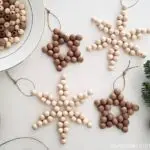
Teacher’s Activity: Demonstrates making a simple beaded bracelet or keychain.
Pupils’ Activity: Observe and attempt simple designs if materials are available.
Learning Point: Pupils gain practical exposure to beadwork creation.
Step 5: Note-Taking
Time: 5 minutes
Teaching Skill: Guided Note-Taking
Teacher’s Activity: Summarizes the main points of beadwork uses on the board.
Pupils’ Activity: Copy notes from the board.
Learning Point: Pupils consolidate learning in written form.
Step 6: Evaluation/Review
Time: 5 minutes
Teaching Skill: Questioning
Teacher’s Activity: The teacher evaluates the learning by asking the following questions:
- Define beadwork.
- List two ornamental uses of beadwork.
- Mention one functional purpose of beadwork.
- Explain how beadwork contributes to aesthetic appeal.
Pupils’ Activity: Answer questions orally or in writing.
Learning Point: Pupils demonstrate understanding of lesson objectives.
Step 7: Conclusion
Time: 3 minutes
Teaching Skill: Summarization
Teacher’s Activity: Recaps the lesson, emphasizes the importance of beadwork, and encourages pupils to try simple beadwork at home.
Pupils’ Activity: Listen and respond to final remarks.
Learning Point: Reinforcement of lesson knowledge and cultural appreciation.
Lesson Keywords
- Beadwork – the art of making objects with beads
- Ornamental – used for decoration or beautification
- Aesthetic – visually appealing or artistic
- Functional – practical or useful
- Decorative – serving to enhance appearance
- Regalia – ceremonial clothing and ornaments
Differentiation
Provide additional guidance to pupils who struggle with fine motor skills; allow advanced pupils to design complex patterns; use group work for collaborative learning.
Note for teachers using this lesson plan
Ensure bead samples are safe for handling, prepare materials in advance, and relate examples to local Nigerian beadwork traditions. Encourage creativity and respect for cultural heritage.
Community Join the conversation Open discussion +