

Class: Primary Three
Term: Second Term
Subject: Basic Science and Technology
Curriculum Theme: Basic Science
Previous Lesson: Light Energy and Solar Energy
Topic: Electrical Energy
Content/Learning Area: What is Electrical Energy?, Sources of Electrical Energy, uses of Electrical Energy, safe Handling of Electrical Devices
Time Allocation: 40 minutes
Performance Objectives
By the end of the lesson, pupils should be able to:
- Cognitive Domain:
1. Identify four sources and four uses of electrical energy.
2. Explain the importance of electricity in daily life.
- Psychomotor Domain:
1. Demonstrate safe handling practices of electrical devices.
- Affective Domain:
1. Appreciate the importance of electricity in daily life.
2. Participate actively in class discussions about electrical energy.
- Social Domain:
1. cooperate with peers during group activities.
Reference Materials
- 9 – years Basic Education Curriculum
- Abuja Educational Resource Center Scheme of Work
- NAPPS National Unified Scheme of Work
- Relevant Textbooks
Instructional Materials
To deliver this lesson, the teacher will use the following materials:
- Whiteboard or chart
- Markers or chalk
- Pictures of different sources and uses of electricity
- Relevant textbooks
Rationale for the lesson
Understanding electrical energy is crucial for pupils’ safety and to appreciate its role in modern life. This lesson lays the foundation for future learning about energy sources and conservation.
Prerequisite/Previous Knowledge
The teacher will start by asking pupils what they use electricity for at home. A brief discussion will follow, leading into the lesson’s topic.
Lesson Content
What is Electrical Energy?
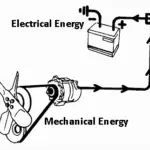
Electrical energy is a type of energy that powers many things we use daily. It’s essential for our homes, schools, and communities.
Sources of Electrical Energy
Electrical energy comes from various sources, both natural and man-made.These sources are harnessed to generate the electricity we use every day. The following are examples of sources of electrical energy:
- Solar Power: Energy from the sun, captured by solar panels and converted into electricity. [[link]]
- Hydroelectric Power: Energy from flowing water, used to turn turbines in dams to generate electricity. [[link]]
- Wind Power: Energy from the wind, captured by wind turbines to create electricity. [[link]]
- Fossil Fuels: Energy from ancient plants and animals (coal, oil, natural gas), burned to produce electricity. [[link]]
- Geothermal Energy: Heat from within the Earth, used to generate steam that turns turbines.
- Nuclear Power: Energy from the splitting of atoms, which heats water to create steam and turn turbines.
Uses of Electrical Energy
Electrical energy is used in many aspects of our daily lives, powering various devices and systems.These include:
- Lighting Homes: Powering light bulbs to illuminate our homes. [[link]] [[link]]
- Running Appliances: Powering home appliances like refrigerators, washing machines, and ovens.[[link]]
- Powering Electronic Devices: Powering phones, computers, and other electronic devices.[[link]]
- Running Machines: Powering machines in factories and industries. [[link]]
- Transportation: Powering electric cars, trains, and other forms of transportation.
- Heating and Cooling: Powering air conditioners, heaters, and fans to regulate temperature.
Safe Handling of Electrical Devices
Handling electrical devices safely is crucial to prevent accidents and injuries. The following are some safety guidelines:
- Never touch electrical wires or outlets with wet hands.
- Always unplug devices before cleaning.
- Do not overload outlets.
- Keep electrical cords away from heat and water.
- Use surge protectors to protect devices from power surges.
- regularly inspect electrical cords and devices for damage.
Teaching Methods
To deliver this lesson, the teacher will adopt the following methods: Discussion, Question and answer, Demonstration
Instructional Procedures
To deliver this lesson, the teacher will adopt the following steps:
Step 1: Introduction
Time: 5 minutes
teaching Skill: Set Induction
Teacher’s Activity: Ask pupils about their experiences with electricity.
Pupils’ Activity: Share their experiences and answer questions.
Step 2: Description of Key Concepts
Time: 10 minutes
Teaching Skill: Explaining
Teacher’s Activity: Explain what electrical energy is and its importance.
pupils’ Activity: Listen attentively and ask clarifying questions.
Step 3: Demonstration/Guided Practice
Time: 10 minutes
Teaching Skill: Demonstrating
Teacher’s Activity: Show pictures of different sources and uses of electricity; discuss safe handling practices.
Pupils’ Activity: Observe and participate in discussions.
Step 4: Autonomous Practice
Time: 5 minutes
Teaching Skill: Monitoring
Teacher’s Activity: Guide pupils in completing a short worksheet.Pupils’ Activity: Complete the worksheet individually.
Step 5: Note-Taking
Time: 5 minutes
Teaching Skill: Summarizing
teacher’s Activity: Summarize key points on the board.
Pupils’ Activity: Take notes in their notebooks.
Step 6: Evaluation/Review
Time: 5 minutes
teaching Skill: Questioning
Teacher’s Activity: Ask review questions.
Pupils’ Activity: Answer the questions.
Objective-aligned checks:
- Identify four sources and four uses of electrical energy.
- Explain the importance of electricity in daily life.
- Demonstrate safe handling practices of electrical devices.
Step 7: Conclusion
Time: 2 minutes
Teaching Skill: Summarizing
Teacher’s Activity: Review the key concepts and emphasize the importance of safe electricity practices.
Pupils’ Activity: listen and ask any remaining questions.
Lesson Keywords
- Electrical Energy – A type of energy that powers many devices.
- Solar Power – Energy from the sun converted into electricity.
- hydroelectric power – Energy from flowing water used to generate electricity.
- Wind Power – Energy from the wind captured by turbines to create electricity.
- Fossil Fuels – Energy from ancient plants and animals burned to produce electricity.
- Safe Handling – Practices to prevent accidents when using electrical devices.
Lesson evaluation
To evaluate the learning, the teacher asks pupils to:
- Name two sources of electrical energy.
- List three uses of electrical energy.
- State one safety tip for handling electrical devices.
- How can we save electricity?
- why is responsible electricity use crucial?
Assignment/Homework
- List five ways you use electricity at home.
- Draw and label a device that uses electrical energy.
- Write down three safety rules for using electricity.
Differentiation
- For slower learners: Provide one-on-one assistance and simplified explanations.
- For advanced learners: Encourage further research on different types of electrical energy sources.
- For visual/auditory/kinesthetic learners: Use visual aids, discussions, and hands-on activities to cater to different learning styles.
Note for Teachers
Ensure to use real-life examples and demonstrations to make the lesson engaging and relatable for the pupils. Emphasize the importance of safety when dealing with electricity.

Community Join the conversation Open discussion +