

Class: Primary Three
Term: Second Term
subject: Basic Science and Technology
Curriculum Theme: Basic Science
Previous Lesson: Features Of Animals
Topic: Energy
Content/Learning Area: Defining energy, Listing forms of energy, appreciating the importance of energy, Participating in group discussions about energy
Time Allocation: 40 minutes
Performance Objectives
By the end of the lesson, pupils should be able to:
- Cognitive Domain:
1. Define energy.2. List at least five forms of energy.
- Affective Domain:
1. Express gratitude for the importance of energy in daily life.
- Psychomotor Domain:
1.Participate actively in group discussions.
- Social Domain:
1. Cooperate with peers during group activities.
Reference Materials
- 9 – Years Basic Education Curriculum
- Abuja educational Resource Center Scheme of Work
- NAPPS National Unified Scheme of Work
- Relevant Textbooks
Instructional Materials
To deliver this lesson, the teacher will use the following materials:
- Whiteboard or chart paper
- Markers or crayons
- Pictures or diagrams illustrating different forms of energy
Rationale for the Lesson
Understanding energy is essential to comprehending how the world works.This lesson provides a basic foundation for future science lessons and helps pupils appreciate the role of energy in their daily lives.
Prerequisite/Previous Knowledge
The teacher will begin by asking pupils what thay think of when they hear the word “energy.” The teacher will then introduce the concept of energy as the ability to do work or cause change, relating it to everyday actions like running, playing, or turning on a light.
Lesson Content
Energy – Forms Of Energy
Energy is the ability to do work or cause a change. It’s all around us, making things happen!
Forms Of Energy:
Energy exists in various forms, each with unique characteristics and applications.
The following are examples of forms of energy:
- Mechanical Energy: The energy of motion. Think of a car moving or a ball rolling downhill.
- Thermal Energy: The energy of heat.This is the energy that makes things hot or cold. Examples include the heat from a stove or the warmth of the sun.
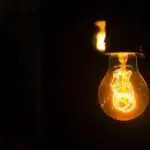
- Light Energy: The energy we see as light. The sun is a great source of light energy.Other sources include light bulbs and fireflies.
- Sound Energy: The energy we hear as sound. Clapping your hands creates sound energy. Other examples include music from a speaker or the sound of a drum.
- Electrical Energy: The energy that powers our homes and devices. It makes our lights turn on and computers work. Examples include electricity from a power outlet or a battery.
- Chemical Energy: Energy stored in the bonds of chemical compounds. Examples include the energy stored in food,fuel,and batteries.
- nuclear Energy: Energy stored within the nucleus of an atom. This energy is released during nuclear reactions, such as in nuclear power plants or atomic bombs.
Teaching Methods
To deliver this lesson, the teacher will adopt the following methods: Discussion, Group work, Question and answer
Instructional Procedures
To deliver this lesson, the teacher will adopt the following steps:
Step 1: Introduction
Time: 5 minutes
Teaching Skill: Set Induction
Teacher’s Activity: Asks pupils what they think energy is and introduces the concept of energy as the ability to do work or cause change.
Pupils’ Activity: Respond to the teacher’s questions and participate in a brief discussion.
Step 2: Clarification of Key Concepts
Time: 10 minutes
Teaching Skill: Explanation
Teacher’s Activity: Explains the definition of energy and introduces various forms of energy with examples.
Pupils’ Activity: Listen attentively and take notes.
Step 3: Demonstration/Guided Practice
Time: 10 minutes
Teaching Skill: Demonstration
Teacher’s Activity: Shows pictures or diagrams of different forms of energy and provides real-life examples.
Pupils’ Activity: Observe the demonstrations and participate in discussions.
Step 4: Self-Reliant Practice
Time: 5 minutes
Teaching Skill: Guided Practice
Teacher’s Activity: Guides pupils in identifying forms of energy in everyday objects and situations.
Pupils’ Activity: Work individually or in pairs to identify examples of different forms of energy.
Step 5: Note-Taking
Time: 5 minutes
Teaching Skill: Note-Taking
Teacher’s Activity: Guides pupils in summarizing key concepts and writng notes.
Pupils’ Activity: write down key points and examples.
Step 6: Evaluation/Review
Time: 5 minutes
Teaching Skill: Questioning
Teacher’s Activity: Asks questions to assess pupils’ understanding of the lesson.
Pupils’ Activity: Answer the teacher’s questions.
Step 7: Conclusion
Time: 5 minutes
Teaching Skill: Closure
Teacher’s Activity: Summarizes the key concepts of energy and its various forms, emphasizing its importance in our daily lives. Assigns a short homework activity where pupils identify and draw examples of different forms of energy they see around them.
pupils’ Activity: Listen to the summary and receive homework instructions.
Lesson Keywords
- Energy – The ability to do work or cause change.
- Mechanical Energy – the energy of motion.
- Thermal Energy – The energy of heat.
- Light Energy – The energy we see as light.
- Sound Energy – The energy we hear as sound.
- Electrical Energy – The energy that powers our homes and devices.
Lesson Evaluation
To evaluate the learning, the teacher asks pupils to:
- What is energy?
- List three forms of energy.
- Give an example of how energy is used in our daily lives.
- What happens when you turn on a light switch?
- How does a hand-crank flashlight work?
Assignment/Homework
- Identify and draw examples of different forms of energy they see around them.
- List five ways you use energy at home every day.
- Explain the difference between light energy and sound energy.
Differentiation
- For slower learners: Provide one-on-one assistance and use simpler examples.
- For advanced learners: Encourage them to research additional forms of energy and present their findings to the class.
- For visual/auditory/kinesthetic learners: Use visual aids,auditory explanations,and hands-on activities to cater to different learning styles.
Note for Teachers
Ensure to use real-life examples and demonstrations to make the concept of energy more relatable and understandable for the pupils. encourage active participation and provide additional support to pupils who need it.



Community Join the conversation Open discussion +