

Class: Primary Three
Term: Third Term
Subject: Basic Science and Technology
Curriculum Theme: basic Science
Previous Lesson: Dangers Of Taking Harmful Drugs
Topic: Contaminated Water
Content/Learning Area: What is contaminated water?, Types of Contaminated Water, Dangers of Drinking contaminated Water, Substances that Contaminate Water
Time Allocation: 40 minutes
Performance Objectives
By the end of the lesson, pupils should be able to:
- Cognitive Domain:
1. Define contaminated water and list five types.
2. Identify substances that contaminate water.
3. Explain the dangers of drinking contaminated water.
4. Discuss ways to prevent water contamination.
- Affective Domain:
1. Express concern about the dangers of drinking contaminated water.
2. Show willingness to participate in preventing water contamination.
- Psychomotor Domain:
1. Identify contaminated water sources thru visual aids.
- Social Domain:
1. Work collaboratively with peers in group activities.
Reference Materials
- 9 – Years Basic Education Curriculum
- Abuja Educational Resource Centre Scheme of Work
- NAPPS National Unified Scheme of Work
- Relevant Textbooks
Instructional Materials
To deliver this lesson, the teacher will use the following materials:
- Whiteboard or chart
- Markers or chalk
- Pictures or diagrams showing contaminated water sources
- Relevant textbooks
Rationale for the Lesson
Understanding contaminated water is crucial for pupils’ health and well-being. This lesson provides foundational knowledge about water contamination, its sources, and prevention, equipping them with essential life skills for a healthier future.
Prerequisite/Previous Knowledge
Pupils are expected to have basic knowledge of clean and dirty water.
lesson Content
What is Contaminated Water?
Contaminated water contains harmful substances like chemicals, waste, and microorganisms that can cause health problems.Learn more about water here.
Types of Contaminated Water
Contaminated water can be classified based on the type of pollutants present. These include:
- Chemical Contaminated Water: Contains harmful chemicals like pesticides, fertilizers, and industrial waste.
- Biological contaminated Water: Contains harmful microorganisms such as bacteria, viruses, and parasites.
- Physical Contaminated Water: Contains visible particles like soil, sand, and debris.
- Radiological Contaminated Water: Contains radioactive substances.
- Heavy Metal Contaminated Water: Contains metals like lead, mercury, cadmium, and arsenic.
- Organic Contaminated Water: Contains organic pollutants like oils, solvents, and pesticides.
- Nutrient contaminated Water: Contains excessive nutrients like nitrogen and phosphorus.
- Thermal Contaminated Water: Contains heated water from industrial processes, which can harm aquatic life.
- Sediment Contaminated Water: Contains excessive sediment from erosion, which can cloud water and harm aquatic habitats.
Dangers of Drinking Contaminated Water
Drinking contaminated water can lead to various health problems. These include:
- Waterborne Diseases: Causes illnesses like cholera, typhoid, dysentery, and hepatitis.
- Chemical Poisoning: Exposure can lead to poisoning from harmful chemicals.
- gastrointestinal Issues: Can lead to stomach problems like diarrhea and vomiting.
- Long-term Health Effects: Prolonged consumption can lead to serious health issues like cancer.
- Impact on Growth and Progress: Children may experience stunted growth and weakened immune systems.
- Harm to Pregnant Women: Poses serious risks to pregnant women and the developing fetus.
- Environmental Damage: Harms aquatic ecosystems.
- Neurological Problems: Exposure to certain contaminants like lead can cause neurological damage.
- Skin Irritation: Contact with contaminated water can cause skin rashes and irritation.
substances that Contaminate Water
Many substances can pollute water sources, making them unsafe for consumption. Examples are:
- Industrial Waste: Chemicals, heavy metals, and toxic substances from factories.
- Agricultural runoff: Pesticides, herbicides, and fertilizers from farming.
- Household Chemicals: Detergents and cleaning agents from homes.
- Sewage and Wastewater: Untreated or poorly treated sewage.
- Plastics and Other Debris: Non-biodegradable materials.
- Mining Operations: Toxic substances released during mining.
- Oil Spills: Oil and petroleum products.
- Urban Runoff: Pollutants from roads and buildings.
- Pharmaceuticals: Medications that enter water systems through sewage.
- Construction Waste: Materials from construction sites that can pollute nearby water sources.
Teaching Methods
To deliver this lesson, the teacher will adopt the following methods: Discussion,question and answer,Use of visual aids.
Instructional Procedures
To deliver this lesson, the teacher will adopt the following steps:
Step 1: Introduction (Set Induction)
Time: 5 minutes
Teaching Skill: Questioning
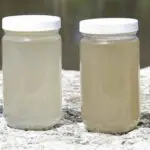
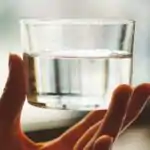
TeacherS Activity: Asks pupils what thay know about clean and dirty water. Shows pictures of clean and contaminated water.
Pupils’ Activity: Respond to teacher’s questions and observe the pictures.
Step 2: Clarification of key Concepts
Time: 10 minutes
Teaching Skill: Explaining
Teacher’s Activity: Defines contaminated water and explains its different types using visual aids.
Pupils’ Activity: Listen attentively and take notes.
Step 3: Exhibition/Guided Practice
Time: 10 minutes
Teaching Skill: Demonstrating
teacher’s Activity: Shows pictures of substances that contaminate water and discusses their effects.
Pupils’ Activity: Identify the contaminants and discuss their effects.
Step 4: Autonomous Practice
Time: 5 minutes
Teaching Skill: Monitoring
Teacher’s Activity: Asks pupils to list five types of contaminated water and three dangers of drinking it.
Pupils’ activity: complete the task individually.
Step 5: Note-Taking
Time: 5 minutes
Teaching Skill: Guiding
Teacher’s Activity: Guides pupils in summarizing key points of the lesson.
Pupils’ Activity: Write down key points in their notebooks.
Step 6: Evaluation/Review
Time: 5 minutes
Teaching Skill: Questioning
Teacher’s activity: Asks review questions to assess pupils’ understanding.
Pupils’ Activity: Answer the review questions.
Objective-aligned checks:
- Define contaminated water and list five types.
- Identify substances that contaminate water.
- Explain the dangers of drinking contaminated water.
Step 7: Conclusion
Time: 2 minutes
Teaching Skill: Summarizing
Teacher’s Activity: summarizes the key points and emphasizes the importance of clean water for health. Encourages pupils to share what they have learned with their families and communities.
Pupils’ Activity: Listen attentively and ask questions for clarification.
Lesson Keywords
- Contaminated Water – Water that contains harmful substances.
- Waterborne Diseases – Illnesses caused by drinking contaminated water.
- Industrial Waste – Waste materials from factories that can pollute water.
- Agricultural Runoff – water that carries pesticides and fertilizers from farms into water sources.
- Household Chemicals – Cleaning agents and detergents that can contaminate water.
Lesson Evaluation
to evaluate the learning, the teacher asks pupils to:
- What is contaminated water?
- List five types of contaminated water.
- Mention three dangers of drinking contaminated water.
- Identify four substances that contaminate water.
- Discuss one way to prevent water contamination in your community.
Assignment/Homework
- list five ways to prevent water contamination at home and in your community.
- Research and write about a recent case of water contamination in Nigeria and its impact on the affected community.
- Draw a poster illustrating the dangers of drinking contaminated water and ways to keep water clean.
Differentiation
- For slower learners: Provide one-on-one assistance and use simpler language.
- For advanced learners: encourage them to research further on water purification methods.
- For visual/auditory/kinesthetic learners: use visual aids, discussions, and hands-on activities to cater to different learning styles.
Note for Teachers
Ensure to use local examples and visual aids that are relevant to the pupils’ surroundings to enhance understanding. Emphasize the importance of personal hygiene and community involvement in preventing water contamination.


Community Join the conversation Open discussion +