

Class: Primary Three
Term: Second Term
Subject: Basic Science and Technology
Curriculum Theme: Basic Technology
Previous Lesson: Uses Of Chemical Energy
Topic: Energy
Content/Learning Area: What is Electrical Energy?, Sources of Electrical energy, uses of Electrical Energy
Time Allocation: 40 minutes
Performance Objectives
By the end of the lesson, pupils should be able to:
- Cognitive Domain:
1. Define electrical energy.
2. List sources of electrical energy.
3. Mention uses of electrical energy.
- Affective Domain:
1. Show interest in learning about energy.
2. Appreciate the importance of electrical energy.
- Psychomotor Domain:
1. Actively participate in class discussions.
2. Complete the evaluation questions.
- social Domain:
1. Work cooperatively with classmates.
2. Share ideas and participate in discussions.
Reference Materials
- 9 – Years Basic Education curriculum
- Abuja Educational Resource Center Scheme of Work
- NAPPS National Unified Scheme of Work
- Online Details
- Relevant Textbooks
Instructional Materials
To deliver this lesson, the teacher will use the following materials:
- Whiteboard or chart paper
- Markers or pens
- Pictures or diagrams of different energy sources and uses
Rationale for the Lesson
Understanding electrical energy is crucial for pupils to grasp the basics of science and technology. This lesson provides a foundation for future learning about different forms of energy and their applications in everyday life.
Prerequisite/Previous Knowledge
The teacher will start by asking pupils what they know about energy, prompting them with examples like light bulbs or moving cars. A brief discussion will follow to gauge their prior knowledge and introduce the topic of electrical energy.
Lesson Content
What is Electrical Energy?
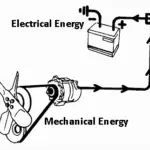
Electrical energy is a type of energy that flows through wires and powers many things we use every day, like light bulbs and computers. It’s a powerful energy source that makes many things possible.
Sources of Electrical Energy
Electrical energy comes from various sources that convert othre forms of energy into electricity. These include:
The following are sources of electrical energy:
- Dams: Dams use the power of flowing water to create electricity. Think of them as giant water wheels!
- Windmills: Windmills use wind power to turn blades and generate electricity.they’re like giant fans that capture wind energy.
- Batteries: Batteries store chemical energy that can be changed into electrical energy. They’re like tiny power packs for our devices.
- Power plants: Power plants use different methods, like burning fuels, to make electricity. They’re like big factories that produce electricity for many homes and businesses.
- Solar Panels: Solar panels convert sunlight directly into electricity using photovoltaic cells. They are a clean and renewable energy source.
- Geothermal Plants: Geothermal plants harness heat from the Earth’s interior to generate electricity.They tap into underground reservoirs of hot water or steam.
Uses of Electrical Energy
Electrical energy is used in many ways to power our homes, businesses, and industries. These include:
The following are uses of electrical energy:
- Lighting: Electrical energy lights up our homes, streets, and workplaces using light bulbs and lamps.
- Powering appliances: It runs many appliances like refrigerators and washing machines,making our lives easier.
- Running electronic devices: It powers computers, TVs, and smartphones, giving us access to facts and entertainment.
- Heating: Electrical energy can heat our homes and water using heaters and boilers.
- Powering industrial machines: It powers the big machines in factories that make products.
- Transportation: Electric trains, cars, and buses use electrical energy to move people and goods.
- Medical Equipment: Hospitals rely on electrical energy to power life-saving medical equipment.
Teaching Methods
To deliver this lesson, the teacher will adopt the following methods: Discussion, Question and answer, Visual aids
Instructional Procedures
To deliver this lesson, the teacher will adopt the following steps:
Step 1: Introduction
Time: 5 minutes
Teaching Skill: set Induction
Teacher’s activity: Ask pupils what they know about energy and introduce the topic of electrical energy.
Pupils’ Activity: Share their prior knowledge and listen to the introduction.
Step 2: Description of Key Concepts
Time: 10 minutes
Teaching skill: Explanation
Teacher’s Activity: Explain what electrical energy is, using simple language and examples.
Pupils’ Activity: Listen attentively and ask questions.
Step 3: Presentation/guided practice
Time: 10 minutes
Teaching Skill: Presentation
Teacher’s Activity: Show pictures or diagrams of different sources and uses of electrical energy.
Pupils’ Activity: Observe and participate in discussions.
Step 4: Independent Practice
Time: 5 minutes
Teaching Skill: Guided Practice
Teacher’s Activity: Ask pupils to list sources and uses of electrical energy.
pupils’ Activity: Work individually or in pairs to complete the task.
Step 5: Note-Taking
Time: 5 minutes
Teaching Skill: Note-Taking
Teacher’s activity: Guide pupils in taking notes on key concepts.
Pupils’ Activity: Wriet down critically important information.
step 6: Evaluation/Review
Time: 5 minutes
Teaching Skill: Questioning
teacher’s Activity: Ask evaluation questions to assess understanding.
Pupils’ Activity: Answer the questions.
Objective-aligned checks:
- Define electrical energy.
- List sources of electrical energy.
- Mention uses of electrical energy.
Step 7: Conclusion
Time: 5 minutes
Teaching Skill: summarization
Teacher’s Activity: Summarize the key points about electrical energy and its importance,emphasizing the responsible use of this valuable resource.The teacher will also answer any remaining questions from the pupils.
Pupils’ activity: Listen to the summary and ask any remaining questions.
Lesson Keywords
- Electrical Energy – A type of energy that flows through wires and powers many devices.
- Sources of Energy – Places or things that provide energy, like dams, windmills, and batteries.
- Appliances – Machines or devices that use electricity to perform tasks, like refrigerators and washing machines.
- Power Plants – Facilities that generate electricity on a large scale.
- Solar Panels – Devices that convert sunlight into electricity.
Lesson Evaluation
To evaluate the learning, the teacher asks pupils to:
- What is electrical energy?
- List two sources of electrical energy.
- Name three uses of electrical energy.
- Can you think of any other sources of electrical energy?
- What are some ways we can save electrical energy?
Assignment/Homework
- List five appliances in your home that use electrical energy.
- Draw a picture of one source of electrical energy.
- Write a short paragraph about why it is important to save electrical energy.
Differentiation
- For slower learners: provide one-on-one assistance and use simpler language.
- For advanced learners: Encourage them to research additional sources of electrical energy and discuss ways to conserve energy.
- For visual/auditory/kinesthetic learners: Use visual aids,discussions,and hands-on activities to cater to different learning styles.
Note for Teachers
Ensure to use real-life examples and visual aids to make the lesson engaging and understandable for primary three pupils. Encourage active participation and provide support to pupils who need it.

Community Join the conversation Open discussion +