

Class: Primary Two
Term: Third Term
Subject: Pre-vocational Studies
Curriculum Theme: Home Economics
Previous Lesson: Persons To Accept Things From
Topic: Care of Food
Content/learning Area: What is Food?, What is Food Preservation?, Methods of Preserving Food
Time allocation: 40 minutes
Performance Objectives
By the end of the lesson, pupils should be able to:
- Cognitive Domain:
1. Define food and explain what food preservation means.
2. Identify various methods of food preservation.
3. Explain the importance of food preservation.
- Psychomotor Domain:
1.Participate actively in group discussions about food preservation.
- Affective Domain:
1. Appreciate the importance of preserving food to reduce waste.2. Show interest in learning about different food preservation methods.
- Social Domain:
1.Work collaboratively with peers in group activities.
Reference Materials
- 9 – Years Basic Education Curriculum
- abuja Educational Resource Center Scheme of work
- NAPPS National Unified Scheme of Work
- Relevant Textbooks
Instructional Materials
To deliver this lesson, the teacher will use the following materials:
- Whiteboard or chart paper
- Markers or crayons
- Pictures or real examples of preserved foods (if available)
Rationale for the Lesson
This lesson is crucial for teaching pupils about healthy eating habits and reducing food waste. Understanding food preservation helps them make informed choices about food storage and appreciate the value of food.
Prerequisite/Previous Knowledge
Pupils are familiar with different types of food they eat daily.
Lesson Content
What is Food?
food provides energy and nutrients for our bodies, helping us grow and stay healthy.
Examples are:
- Fruits
- Vegetables
- Grains
- Meat
- Dairy products
- Legumes
What is Food Preservation?
Food preservation keeps food safe and edible for longer, preventing spoilage and waste.Reasons for preserving food include preventing waste, having food available year-round, and making food last longer.
Methods of Preserving food
Food preservation involves various techniques to extend the shelf life of food and prevent spoilage.
The following are methods of preserving food:
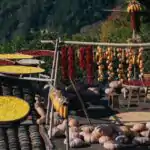
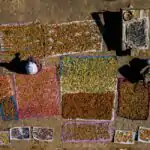
- Drying: Removing water to prevent bacterial growth. Examples: dried fruits, jerky, sun-dried tomatoes.
- canning: Storing in airtight containers. Examples: canned fruits, vegetables, soups.
- Freezing: Keeping food at low temperatures. examples: frozen fruits, vegetables, meat.
- Salting: Using salt to draw out moisture and kill bacteria. Examples: salted fish, cured meats.
- Pickling: Storing in vinegar or brine. Examples: pickled cucumbers, onions, carrots.
- Smoking: Exposing food to smoke from burning wood. Examples: smoked fish, smoked meat.
- Fermentation: Using microorganisms to convert carbohydrates into acids or alcohol. Examples: yogurt, cheese, fermented vegetables.
Teaching Methods
To deliver this lesson, the teacher will adopt the following methods: discussion, Group work, Question and answer.
Instructional Procedures
To deliver this lesson, the teacher will adopt the following steps:
step 1: Introduction (Set Induction)
Time: 5 minutes
Teaching Skill: Questioning
Teacher’s Activity: Asks pupils what they ate for breakfast and initiates a discussion about food.
Pupils’ Activity: Respond to the teacher’s questions and participate in the discussion.
Step 2: Clarification of Key Concepts
Time: 10 minutes
Teaching Skill: Explanation
teacher’s Activity: Explains the concepts of food and food preservation.
Pupils’ Activity: Listen attentively and ask clarifying questions.
Step 3: Exhibition/Guided Practice
Time: 10 minutes
Teaching Skill: Demonstration
Teacher’s Activity: Shows pictures or real examples of different food preservation methods.
Pupils’ Activity: Observe and participate in a discussion about the methods.
Step 4: Independent practice
Time: 5 minutes
Teaching Skill: Group work
teacher’s Activity: Divides pupils into groups to discuss food preservation methods.
Pupils’ Activity: Work collaboratively in groups to discuss and share ideas.
Step 5: Note-Taking
Time: 5 minutes
Teaching Skill: Note-taking
teacher’s Activity: Guides pupils in taking notes on key concepts.
Pupils’ Activity: Take notes on the lesson.
Step 6: Evaluation/Review
Time: 5 minutes
Teaching Skill: Questioning
Teacher’s Activity: Asks questions to assess pupils’ understanding.
Pupils’ Activity: Answer the teacher’s questions.
Objective-aligned checks:
- Define food and explain what food preservation means.
- Identify various methods of food preservation.
- Explain the importance of food preservation.
Step 7: Conclusion
Time: 2 minutes
Teaching Skill: Summarizing
Teacher’s Activity: Summarizes the key points about food and food preservation.
Pupils’ Activity: Listen attentively and ask questions for clarification.
Lesson Keywords
- Food – Any substance that provides nutrients and energy for the body.
- Preservation – The process of keeping food safe and edible for a longer period.
- Drying – Removing moisture from food to prevent spoilage.
- Canning – Storing food in airtight containers to prevent contamination.
- Freezing – Preserving food by keeping it at very low temperatures.
Lesson Evaluation
To evaluate the learning,the teacher asks pupils to:
- What is food?
- What does food preservation meen?
- List three methods of preserving food.
- Describe one method of food preservation you have seen or used at home.
- Why is it crucial to preserve food?
Assignment/Homework
- Research and write about another method of food preservation not discussed in class.
- Ask your parents or guardians about the different ways they preserve food at home and write them down.
Differentiation
- For slower learners: Provide one-on-one assistance and use simpler language.
- For advanced learners: Encourage them to research additional food preservation methods.
- For visual/auditory/kinesthetic learners: Use visual aids, discussions, and hands-on activities to cater to different learning styles.
Note for Teachers
Ensure to bring real examples or pictures of preserved foods to make the lesson more engaging. Encourage pupils to share their personal experiences with food preservation at home.


Community Join the conversation Open discussion +