

Class: Primary Two
Term: Second Term
Subject: Pre-vocational Studies
Curriculum Theme: Home Economics
Previous Lesson:
Topic: Home Furnishing
Content/Learning Area: Identifying furniture found in the home, Describing the uses of different furniture in various rooms
Time Allocation: 40 minutes
Performance Objectives
By the end of the lesson, pupils should be able too:
- Cognitive Domain:
1. Identify various types of furniture found in a home.2. Explain the purpose of different furniture pieces.
3. Classify furniture according to its function and location.
- Psychomotor Domain:
1. Draw or model different types of furniture.
- Affective Domain:
1. Appreciate the importance of furniture in creating a cozy home.
2. Show respect for furniture and its proper use.
- Social Domain:
1. Work collaboratively with peers in group activities.
Reference Materials
- 9 – Years Basic Education Curriculum
- Abuja Educational Resource Center Scheme of Work
- NAPPS National Unified Scheme of Work
- Online Details
- Relevant Textbooks
Instructional Materials
To deliver this lesson, the teacher will employ the help of the following materials:
- Pictures of different furniture
- Whiteboard or chart paper
- Markers or crayons
- Optional: Real-life examples of furniture (if available)
Rationale for the Lesson
Understanding home furnishing is essential for creating a cozy and functional living space. This lesson provides a foundation for future lessons on home economics and practical life skills, helping pupils appreciate the role of furniture in daily life.
Prerequisite/Previous Knowledge
The teacher will begin by asking pupils to name some items they see in their homes. The teacher will then introduce the topic of home furnishing, explaining that today’s lesson will focus on the different types of furniture found in homes and their uses. This will create a familiar context for the students.
Lesson Content
Home Furnishing
Home furnishing involves the furniture and items that make a home comfortable and functional. These items are essential for a livable space.
What is Furniture?
Furniture is any movable object supporting activities at home. it provides seating, storage, and surfaces for various tasks.
Furniture in the Home
Beds
Beds are crucial for sleeping and resting. Types of beds found in a home include:
- Single beds
- Double beds
- Bunk beds
- King-size beds
- Queen-size beds
Chairs
Chairs are for sitting, found in living rooms, dining rooms, and bedrooms. Examples are:
- Armchairs
- Dining chairs
- Office chairs
- Rocking chairs
- Lounge chairs
Tables
Tables are used for placing items or meals. Types of tables include:
- Coffee tables
- Dining tables
- Desks
- Side tables
- Console tables
Sofas
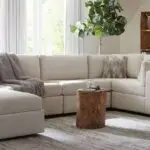
Sofas are comfortable seating for multiple people, often used for relaxing and watching television.
Wardrobes
Wardrobes store clothes and are usually in bedrooms.
Desks
Desks are for studying or working, typically in bedrooms or study rooms.
Dining Tables
Dining tables are for family meals, usually in the dining room.
Bookshelves
Bookshelves organize and store books,often in living rooms or study rooms.
Cabinets
Cabinets store various items, found in kitchens, bathrooms, or living rooms.
Dressers
Dressers keep personal items, usually in bedrooms.
Teaching Methods
To deliver this lesson, the teacher will adopt the following methods: Discussion, Question and answer, visual aids
Instructional Procedures
To deliver this lesson, the teacher will adopt the following steps:
Step 1: Introduction (Set Induction)
time: 5 minutes
Teaching Skill: Questioning, explaining
Teacher’s Activity: Introduce the topic of home furnishing and ask pupils to brainstorm items found in their homes.
Pupils’ Activity: Participate in brainstorming session, sharing their ideas.
Step 2: Explanation of Key Concepts
Time: 10 minutes
Teaching Skill: Explaining,defining
Teacher’s Activity: define furniture and explain its importance in a home. Show pictures of different furniture types.
Pupils’ Activity: Listen attentively, ask clarifying questions.
Step 3: Exhibition/Guided Practice
Time: 10 minutes
Teaching Skill: Demonstrating, guiding
Teacher’s Activity: Show pictures of different furniture pieces and discuss their uses in various rooms. Guide pupils in identifying furniture types.Pupils’ Activity: Participate in discussions, identify furniture types.
Step 4: Independent Practice
Time: 5 minutes
Teaching skill: Monitoring, assessing
Teacher’s Activity: Ask pupils to draw or name furniture they see at home.
Pupils’ Activity: Draw or name furniture, showing their understanding.
step 5: Note-Taking
Time: 5 minutes
Teaching Skill: Summarizing, note-taking
Teacher’s Activity: Summarize key concepts and guide pupils in taking notes.
Pupils’ Activity: Take notes on key concepts.
Step 6: Evaluation/Review
Time: 5 minutes
Teaching skill: Questioning, reviewing
Teacher’s Activity: Ask review questions to assess understanding.
Pupils’ Activity: Answer review questions.
Objective-aligned checks:
- Identify various types of furniture found in a home.
- Explain the purpose of different furniture pieces.
- Classify furniture according to its function and location.
Step 7: Conclusion
Time: 5 minutes
Teaching Skill: Summarizing, concluding
Teacher’s Activity: Review the key concepts and assign homework.
Pupils’ Activity: Listen to the summary and note the homework assignment.
Lesson Keywords
- Furniture – Movable objects that support human activities in a home or office.
- Home Furnishing – The process of selecting and arranging furniture and decor in a home.
- Wardrobe – A tall cabinet used for storing clothes.
- Sofa – A comfortable seat with a back and arms for multiple people.
- Bookshelf – A set of shelves used to store books.
Lesson Evaluation
To evaluate the learning, the teacher asks pupils to:
- Name five pieces of furniture found in a living room.
- What is the difference between a bed and a sofa?
- Why is a dining table vital?
- What can you store in a wardrobe?
- What is the purpose of a desk?
Assignment/Homework
- Draw your favorite piece of furniture and describe its use.
- List three different types of chairs and where you would find them in a home.
- Explain why furniture is notable in a home.
Differentiation
- For slower learners: Provide one-on-one assistance and use simpler language.
- For advanced learners: Encourage them to research and present additional information on different types of furniture.
- For visual/auditory/kinesthetic learners: Use visual aids, verbal explanations, and hands-on activities to cater to different learning styles.
Note for Teachers
Ensure to use real-life examples or pictures of furniture to make the lesson more engaging and relatable for the pupils. Encourage active participation and provide positive reinforcement to build their confidence.



Community Join the conversation Open discussion +