

Class: Primary Two
Term: Second Term
Subject: Pre-vocational Studies
Curriculum Theme: Home Economics
Previous Lesson: Steps In Taking A Bath in Bathing
Topic: Different rooms In The Home
Content/Learning Area: Identifying different rooms in the home,Understanding the purpose of each room,identifying items found in the kitchen
Time Allocation: 40 minutes
Performance Objectives
By the end of the lesson,pupils should be able to:
- Cognitive Domain:
1. Identify four different rooms in the home.
2.Explain the purpose of each room.
3. List items found in the kitchen.
- Affective Domain:
1. Appreciate the importance of each room in the home.
- Psychomotor Domain:
1. Draw a picture of their home and label the different rooms.
- Social Domain:
1. Work cooperatively with classmates during activities.
Reference Materials
- 9 – Years Basic Education Curriculum
- Abuja Educational Resource Center Scheme of Work
- NAPPS national Unified Scheme of Work
- Relevant Textbooks
Instructional Materials
To deliver this lesson, the teacher will use the following materials:
- Whiteboard or chart paper
- Markers or crayons
- Pictures of different rooms in a home
- Worksheet with evaluation questions
Rationale for the Lesson
Understanding the different rooms in a home and their functions is essential for children’s growth. This knowledge helps them to organize their living space and appreciate the roles of different areas within the home.
Prerequisite/Previous Knowledge
The teacher will begin by asking pupils to name places they go to in their homes. The teacher will then introduce the topic of different rooms in the home and their purposes.
Lesson Content
Different rooms In The Home
A home has many rooms, each with a special purpose.Some vital rooms include:
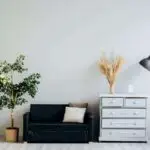
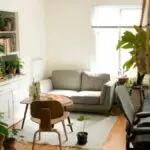
- living Room: A place for families to relax, watch TV, and spend time together.
- Bedroom: Where people sleep and rest.
- Kitchen: where food is prepared and cooked.
- bathroom: Where people wash and use the toilet.
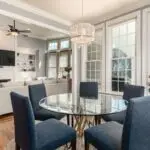
- Dining Room: Where families eat their meals.
- Study Room: A quiet place for reading and studying.
- Guest Room: A room for visitors to stay.
Kitchen
The kitchen is very important. It’s where we prepare and cook food. Many things are in a kitchen, such as:
- Stove: Used for cooking food.
- oven: Used for baking food.
- Refrigerator: Used for storing food.
- Sink: Used for washing dishes and food.
- Countertop: A flat surface for preparing food.
- Cabinets: used for storing food and supplies.
- Microwave: Used for quickly heating food.
- Blender: Used for mixing ingredients.
Teaching Methods
To deliver this lesson, the teacher will adopt the following methods: discussion, question and answer, visual aids.
Instructional Procedures
To deliver this lesson,the teacher will adopt the following steps:
Step 1: Introduction (Set Induction)
Time: 5 minutes
Teaching Skill: Questioning
Teacher’s Activity: Asks pupils to name places they go to in their homes. Introduces the topic: Different rooms in the Home.
Pupils’ Activity: Respond to the teacher’s questions and listen attentively.
Step 2: Clarification of Key Concepts
Time: 10 minutes
Teaching Skill: Clarification
Teacher’s Activity: Explains the different rooms in a home (living room, bedroom, kitchen, bathroom, dining room) and their purposes using pictures.
Pupils’ Activity: Listen attentively and ask questions.
Step 3: Presentation/Guided Practice
Time: 10 minutes
Teaching Skill: Presentation
Teacher’s activity: Shows pictures of kitchens and points out common items (stove,oven,refrigerator,sink,countertop,cabinets).Pupils’ Activity: Observe and identify the items.
Step 4: Autonomous Practice
Time: 5 minutes
Teaching Skill: Guided Practice
Teacher’s Activity: Distributes worksheets with evaluation questions.
pupils’ Activity: Answer the questions independently.
Step 5: Note-Taking
Time: 5 minutes
Teaching Skill: Note-taking
Teacher’s Activity: Guides pupils in summarizing key points on the board.
Pupils’ Activity: Copy key points in their notebooks.
Step 6: Evaluation/Review
Time: 5 minutes
Teaching Skill: Review
Teacher’s Activity: Reviews answers to evaluation questions.
Pupils’ Activity: Participate in the review.
Objective-aligned checks:
- Identify four different rooms in the home.
- Explain the purpose of each room.
- List items found in the kitchen.
Step 7: Conclusion
time: 2 minutes
Teaching Skill: Summarizing
Teacher’s Activity: Summarizes the key points and assigns homework.
Pupils’ Activity: Listen attentively and note the homework.
Lesson Keywords
- Living Room – A room in the home for relaxation and family time.
- Bedroom – A room in the home for sleeping and resting.
- Kitchen – A room in the home for preparing and cooking food.
- Bathroom – A room in the home for washing and personal hygiene.
- Dining Room – A room in the home for eating meals.
Lesson Evaluation
To evaluate the learning, the teacher asks pupils to:
- Name four rooms in a home and their uses.
- What is the main purpose of the kitchen?
- List three things found in a kitchen.
- Where do you sleep?
- Where do you eat your meals?
Assignment/Homework
- Draw a picture of your home and label the different rooms.
- List five items found in your kitchen at home.
Differentiation
- For slower learners: The teacher will provide one-on-one assistance and use simpler language.
- For advanced learners: The teacher will encourage them to research and present facts about othre rooms in the home.
- For visual/auditory/kinesthetic learners: Use visual aids, verbal explanations, and hands-on activities to cater to different learning styles.
note for Teachers
Ensure to use real-life examples and relatable scenarios to make the lesson engaging and understandable for the pupils. encourage active participation and provide positive reinforcement.

Community Join the conversation Open discussion +