

Class: Primary Three
Term: Third term
Subject: Pre-vocational Studies
Curriculum Theme: Agricultural Science
Previous Lesson: Importance of Food Processing
Topic: Food Preservation
Content/Learning Area: Meaning of Food Preservation, Methods of Food Preservation
Time Allocation: 40 minutes
Performance Objectives
By the end of the lesson, pupils should be able to:
- Cognitive Domain:
– Define food preservation.
– List different methods of preserving food.
– Explain the importance of food preservation.
- Affective Domain:
– Appreciate the importance of preserving food in daily life.
- Psychomotor Domain:
– Identify examples of preserved foods.
- Social Domain:
– Discuss the benefits of food preservation with peers.
Reference Materials
- 9 – Years Basic Education Curriculum
- Abuja Educational resource center Scheme of work
- NAPPS National Unified Scheme of Work
- Relevant Textbooks
Instructional Materials
To deliver this lesson,the teacher will use the following materials:
- Whiteboard or chart
- Markers or chalk
- Pictures or real examples of preserved foods
Rationale for the Lesson
Understanding food preservation is crucial for reducing food waste,ensuring food security,and maintaining a healthy diet. This lesson provides a foundation for future learning in nutrition and home economics.
Prerequisite/Previous Knowledge
The teacher will begin by asking pupils what they had for breakfast and how long they think that food would last before spoiling. This will lead into a discussion about keeping food fresh for longer.
Lesson Content
Meaning of Food Preservation
Food preservation is the process of treating food to stop it from spoiling and make it last longer. This keeps food safe to eat for a longer time, even if it’s not fresh.We preserve food for several reasons:
- To prevent spoilage from bacteria, mold, and yeast.
- To reduce food waste.
- To ensure food is available all year round.
- To improve the taste and texture of some foods.
Methods of Food Preservation
There are various methods of preserving food to extend its shelf life and maintain its quality.These include:
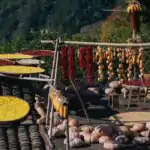
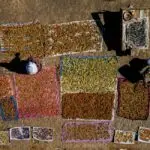
- Drying: Removing moisture to stop microorganism growth. Examples include dried fruits, vegetables, and fish.
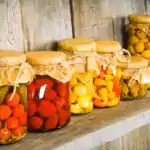
- Canning: Sealing food in airtight containers and heating it to kill bacteria.Examples include canned fruits,vegetables,and meats.
- Freezing: Storing food at low temperatures to slow down microorganism growth. Examples include frozen fruits, vegetables, and meats.
- Salting: Adding salt to draw out moisture and stop bacterial growth. Examples include salted fish, meats, and vegetables.
- Pickling: Preserving food in vinegar or brine to create an acidic habitat that stops bacterial growth. Examples include pickled cucumbers, onions, and peppers.
- Smoking: Exposing food to smoke to add flavor and preserve it. Examples include smoked fish, meats, and cheeses.
- Fermenting: Using beneficial microorganisms to transform food and inhibit spoilage organisms. Examples include yogurt, kimchi, and ogi.
- Irradiation: Exposing food to ionizing radiation to kill bacteria, molds, and insects.Examples include irradiated fruits, vegetables, and spices.
Teaching Methods
To deliver this lesson, the teacher will adopt the following methods: Discussion, Question and answer, visual aids
Instructional Procedures
To deliver this lesson, the teacher will adopt the following steps:
Step 1: Introduction
Time: 5 minutes
Teaching Skill: Set Induction
Teacher’s Activity: Ask pupils about their understanding of food spoilage and the need to preserve food.
Pupils’ Activity: Respond to teacher’s questions and share their experiences.
Step 2: Description of Key Concepts
Time: 10 minutes
Teaching Skill: Explanation
Teacher’s Activity: Define food preservation and explain its importance using visual aids.
Pupils’ Activity: Listen attentively and take notes.
Step 3: Exhibition of Preservation Methods
Time: 10 minutes
Teaching Skill: Demonstration
Teacher’s Activity: Show pictures or real examples of different food preservation methods.Pupils’ Activity: Observe and identify the methods.
Step 4: Listing Preservation Methods
Time: 5 minutes
Teaching Skill: Guided Practice
Teacher’s Activity: Ask pupils to list different methods of food preservation.Pupils’ Activity: List methods and share their answers.
Step 5: Note-Taking
Time: 5 minutes
Teaching Skill: Note-Taking
Teacher’s Activity: Guide pupils in summarizing key points.
Pupils’ Activity: Write down key points in their notebooks.
Step 6: Evaluation/Review
Time: 5 minutes
Teaching Skill: Questioning
Teacher’s Activity: Ask evaluation questions.
pupils’ Activity: Answer the evaluation questions.
Step 7: Conclusion
Time: 5 minutes
Teaching Skill: Closure
Teacher’s Activity: Summarize the key concepts of food preservation and encourage pupils to apply what they have learned at home.
Pupils’ activity: Listen and ask any remaining questions.
Lesson Keywords
- Food Preservation – The process of treating food to prevent spoilage and extend its shelf life.
- Spoilage – The process by which food becomes unfit for consumption due to microbial growth or enzymatic activity.
- Drying – A method of food preservation that involves removing moisture from food to inhibit microbial growth.
- Canning – A method of food preservation that involves sealing food in airtight containers and heating it to kill bacteria.
- Freezing – A method of food preservation that involves storing food at low temperatures to slow down microbial growth.
- Salting – A method of food preservation that involves adding salt to food to draw out moisture and inhibit bacterial growth.
- Pickling – A method of food preservation that involves preserving food in vinegar or brine to create an acidic environment that inhibits bacterial growth.
- Smoking – A method of food preservation that involves exposing food to smoke to add flavor and preserve it.
Lesson Evaluation
to evaluate the learning, the teacher asks pupils to:
- What is food preservation?
- Name three ways to preserve food.
- Why is preserving food significant?
- Describe a simple way to preserve food at home.
- What are some good things about preserving food?
Assignment/Homework
- List five different foods commonly preserved in Nigeria.
- Describe the steps involved in drying a particular food item.
- Research and write about a local method of food preservation used in your community.
Differentiation
- For slower learners: Provide one-on-one assistance and simplified explanations.
- For advanced learners: Encourage them to research additional methods of food preservation.
- For visual/auditory/kinesthetic learners: Use visual aids, discussions, and hands-on activities to cater to different learning styles.
Note for Teachers
Ensure to bring real examples or pictures of preserved foods to make the lesson more engaging. Encourage pupils to share their personal experiences with food preservation at home.

Community Join the conversation Open discussion +