

Class: Senior Secondary School 1 (SS1 / SSS 1)
Term: First Term
Week: 3
Age: 15 years
Duration: 45 minutes
Subject: Islamic Religious Studies
Curriculum Theme: Islamic Religious Studies
Previous Lesson: Lessons from Sūrat al-Mursalāt.
Topic: The Arabs before Islam
Subject Matter: Description of the Arabian Peninsula before Islam, Religious life of the Arabs before Islam, Economic life of the Arabs before Islam, Social life of the Arabs before Islam
Specific Objectives
By the end of the lesson, pupils should be able to:
Cognitive Domain:
- Describe the geographical features of the Arabian Peninsula before Islam.
- Identify the main religious practices of the Arabs before Islam.
- Explain the economic activities prevalent among the Arabs before Islam.
- Outline the key aspects of the social life of the Arabs before Islam.
Affective Domain:
- Appreciate the historical context in which Islam emerged.
- Recognize the importance of the changes brought by Islam to the Arabian society.
Psychomotor Domain:
- Locate the Arabian Peninsula on a map.
- List characteristics of the pre-Islamic Arab society.
Social Domain:
- Discuss how pre-Islamic Arab society functioned without a central government.
- Share insights on the challenges faced by people in the Arabian Peninsula before Islam.
Reference Materials
The following resources were used in planning this lesson:
- Senior Secondary Schools Education Curriculum
- State Unified Scheme of Work
- Islamic Religious Knowledge for Senior Secondary Schools, Book 1
- https://www.islamiclandmarks.com/historical-articles/arabia-before-islam
- https://www.britannica.com/place/Arabia/Arabia-before-Islam
Instructional Materials
The teacher will teach this lesson with the aid of:
- A map of the Arabian Peninsula
- Whiteboard/chalkboard
- Markers/chalk
Rationale for the Lesson
This lesson helps pupils understand the environment and conditions in which Islam originated. It enables them to appreciate the significant transformations Islam brought to the religious, economic, and social lives of the Arabs, providing a foundation for studying the life of Prophet Muhammad.
Prerequisite/Previous Knowledge
Pupils have basic knowledge of the origins of major world religions and the general history of ancient civilizations.
Lesson Content/Board Summary
The Arabs before Islam
Description of the Arabian Peninsula before Islam
The Arabian Peninsula is a large landmass in Southwest Asia, mostly desert, with limited fertile areas (oases) and coastal regions. Before Islam, it was inhabited by various Arab tribes, primarily Bedouins (nomads) and settled communities in cities like Mecca and Medina. The region was strategically located at the crossroads of major trade routes connecting Africa, Asia, and Europe.
Religious Life of the Arabs before Islam
Before Islam, the majority of Arabs were polytheists, worshipping numerous idols and deities. This period is often referred to as ‘Jahiliyyah’ (Ignorance).
Key aspects of their religious life included:
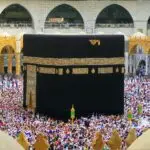
- Idol Worship: The Ka’aba in Mecca housed hundreds of idols, representing various tribal deities. Examples include Al-Lat, Manat, and Uzza.
- Polytheism: Belief in multiple gods and spirits.
- Animism: Belief that spirits inhabit natural objects and places.
- Superstition: Widespread belief in divination, omens, and magic.
- Minor Monotheistic Groups: Some communities practiced Judaism and Christianity, and there were also ‘Hanifs’ who believed in one God (Allah) but did not follow a specific revealed religion.
Economic Life of the Arabs before Islam
The economy of pre-Islamic Arabia was diverse, influenced by geography and tribal structures.
Main economic activities included:
- Trade: This was a major activity, especially for cities like Mecca, which was a hub for caravan trade. Goods like spices, perfumes, textiles, and precious metals were exchanged.
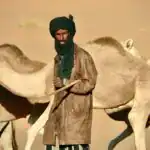
- Pastoralism (Nomadic Herding): Bedouin tribes raised camels, sheep, and goats, moving across the desert in search of pasture and water.
- Agriculture: Practiced in fertile oases and southern regions (e.g., Yemen), growing dates, grains, and vegetables.
- Crafts and Artisanship: Production of pottery, weaving, metalwork, and leather goods.
- Raiding: A common practice among Bedouin tribes to acquire goods and wealth from rival tribes or caravans.
Social Life of the Arabs before Islam
Pre-Islamic Arab society was largely tribal, characterized by strong kinship ties and a code of honor.
Key features of their social life were:
- Tribal System: Society was organized into tribes and clans, with loyalty to one’s tribe being paramount.
- Blood Feuds: Conflicts between tribes often led to prolonged vendettas and retaliatory killings.
- Lack of Central Authority: There was no unified government; tribes were independent, often engaging in warfare.
- Status of Women: Women generally had a low status. Female infanticide (burying baby girls alive) was practiced by some tribes, and women had limited rights.
- Slavery: Slavery was common, with slaves acquired through warfare or debt.
- Poetry and Oratory: Highly valued arts, used to praise tribes, mock enemies, and preserve tribal history.
- Hospitality: A highly regarded virtue, offering protection and shelter to guests.
Teaching Methods/Instructional Techniques
Discussion, Lecture, Demonstration, Question and Answer, Visual Aids
Instructional Procedures
Step 1: Introduction
Time: 5 minutes
Teaching Skill: Set Induction
Teacher’s Activity: The teacher greets the pupils and asks them if they know where Islam originated. The teacher then introduces the topic “The Arabs before Islam” and explains its relevance to understanding the emergence of Islam.
Pupils’ Activity: Pupils respond to the teacher’s questions and listen attentively to the introduction.
Learning Point: Pupils are introduced to the topic and its importance.
Step 2: Description of the Arabian Peninsula
Time: 8 minutes
Teaching Skill: Explanation/Demonstration
Teacher’s Activity: The teacher uses a map of the Arabian Peninsula to show its geographical location, key cities like Mecca and Medina, and major features (deserts, oases). The teacher describes the general environmental and tribal setup of the region before Islam.
Pupils’ Activity: Pupils observe the map, identify the locations, and listen to the teacher’s description of the Arabian Peninsula.
Learning Point: Pupils understand the geographical context of pre-Islamic Arabia.
Step 3: Religious Life of the Arabs before Islam
Time: 8 minutes
Teaching Skill: Lecture/Discussion
Teacher’s Activity: The teacher explains the dominant religious practices, focusing on idol worship, polytheism, and the presence of other religious groups like Jews, Christians, and Hanifs. The teacher discusses the concept of Jahiliyyah.
Pupils’ Activity: Pupils listen, ask questions for clarification, and engage in a brief discussion about the diversity of beliefs.
Learning Point: Pupils identify the religious landscape of pre-Islamic Arabia.
Step 4: Economic Life of the Arabs before Islam
Time: 7 minutes
Teaching Skill: Explanation/Questioning
Teacher’s Activity: The teacher describes the main economic activities such as trade, pastoralism, and agriculture, highlighting the importance of caravan trade in cities like Mecca. The teacher asks pupils to suggest reasons for these economic activities.
Pupils’ Activity: Pupils listen, identify key economic activities, and contribute ideas on why these activities were prevalent.
Learning Point: Pupils understand the economic structure of pre-Islamic Arab society.
Step 5: Social Life of the Arabs before Islam
Time: 7 minutes
Teaching Skill: Elaboration/Discussion
Teacher’s Activity: The teacher elaborates on the social structure, emphasizing the tribal system, blood feuds, the status of women, and the importance of poetry and hospitality. The teacher encourages pupils to discuss the challenges of living in such a society.
Pupils’ Activity: Pupils listen to the explanation and participate in a discussion about the social dynamics and challenges.
Learning Point: Pupils grasp the social organization and customs of pre-Islamic Arabia.
Step 6: Board Summary
Time: 3 minutes
Teaching Skill: Consolidation
Teacher’s Activity: The teacher writes the key points of the lesson on the board, ensuring they align with the pupils’ notes.
Pupils’ Activity: Pupils copy the board summary into their notebooks.
Learning Point: Pupils consolidate their understanding by noting down key information.
Step 7: Evaluation/Review
Time: 5 minutes
Teaching Skill: Questioning/Assessment
Teacher’s Activity: The teacher evaluates the learning by asking the following questions:
- Describe the main geographical features of the Arabian Peninsula before Islam.
- List three common religious practices of the Arabs during the period of Jahiliyyah.
- Mention two significant economic activities of the Arabs before Islam.
- Outline two characteristics of the social life of the Arabs before Islam.
Pupils’ Activity: Pupils answer orally and in writing.
Learning Point: Pupils demonstrate understanding of the lesson.
Step 8: Conclusion
Time: 2 minutes
Teaching Skill: Summarization
Teacher’s Activity: The teacher summarizes the lesson by reiterating the main points about the pre-Islamic Arab society and emphasizes how Islam transformed these aspects. The teacher assigns homework: “Research the major tribes of Mecca before Islam and their roles.”
Pupils’ Activity: Pupils listen to the summary and copy the homework assignment.
Learning Point: Pupils recap the lesson and receive a follow-up task.
Lesson Keywords
- Jahiliyyah – The pre-Islamic period of ignorance in Arabia.
- Polytheism – The belief in or worship of more than one god.
- Idols – Images or objects worshipped as a god.
- Hanifs – Monotheists in pre-Islamic Arabia who believed in one God but did not follow Judaism or Christianity.
- Bedouins – Nomadic Arab tribes who lived in the desert.
- Tribalism – The state of living in tribes or strong loyalty to one’s own tribe.
- Mecca – A prominent city and trade center in pre-Islamic Arabia, home to the Ka’aba.
- Ka’aba – A cuboid building in Mecca, initially a center of idol worship before Islam.
Differentiation
For pupils who grasp concepts quickly, the teacher can encourage them to research specific details about prominent pre-Islamic Arab poets or tribal leaders. For those needing more support, the teacher will provide additional visual aids or simplified explanations of the social and economic structures, ensuring all pupils understand the core concepts of pre-Islamic Arabia.
Note for teachers using this lesson plan
Teachers should ensure they have a clear map of the Arabian Peninsula for visual demonstration. Encourage pupils to make connections between the pre-Islamic conditions and the subsequent rise of Islam. Emphasize that ‘Jahiliyyah’ refers to a state of ignorance, not necessarily savagery, and that many positive attributes like hospitality and poetry existed alongside negative ones.
Community Join the conversation Open discussion +