

Class: Primary 3
Term: 1st Term
Week: 4
Age: 8 years
Duration: 40 minutes
Subject: Cultural And Creative Arts
Curriculum Theme: Cultural And Creative Arts
Previous Lesson: Landscape Drawing And Painting
Topic: Flowering Plants In The Environment
Content/Learning Area: Importance of flowers in the environment
Performance Objectives
By the end of the lesson, pupils should be able to:
Cognitive Domain:
- Explain the meaning of flowers in the environment.
- List the importance of flowers in the environment.
Affective Domain:
- Appreciate the beauty and value of flowers around them.
Psychomotor Domain:
- Draw or identify flowers in their environment.
Social Domain:
- Participate in group discussions about the uses of flowers.
Reference Materials
The following resources were used in planning this lesson:
- 9 Years Basic Education Curriculum
- Abuja Educational Resource Centre Scheme of Work
- NAPPS National Unified Scheme of Work
- online information from: Wikipedia – Flower
- Relevant Textbooks
Instructional Materials
The teacher will teach this lesson with the aid of:
- Real flowers (such as hibiscus, rose, sunflower)
- Pictures and charts of flowering plants
- Flashcards showing uses of flowers
- Drawing materials (pencil, crayons, paper)
- Multimedia presentation (if available)
Rationale for the Lesson
Flowers beautify our environment and have many uses such as for decoration, medicine, and food. Pupils need to understand their importance and appreciate their role in daily life.
Prerequisite/Previous Knowledge
Pupils have seen flowers around their homes, schools, and streets and can identify them by their colours and shapes.
Lesson Content
Flowering Plants in the Environment
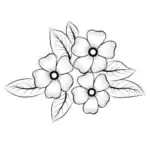
Flowers are the colorful parts of plants. They make the environment beautiful and are useful in many ways.
Importance of Flowers in the Environment
The following are the importance of flowers in the environment:
- Flowers make the environment beautiful
- Flowers are used for decoration in homes and events
- Some flowers are used to make medicine
- Flowers attract insects like bees and butterflies
- Flowers are used in making perfumes and oils
- Some flowers can be eaten as food
- Flowers are used in cultural and religious practices
Parts and Examples of Flowering Plants
A flowering plant produces flowers as part of reproduction. Common examples include hibiscus, bean, maize, tomato, mango and sunflower. Roots absorb water and hold the plant; stems support and transport; leaves make food; flowers may develop into fruits containing seeds.
Not every plant flowers all year, and grasses such as maize also flower even when the flowers do not look like hibiscus. Observe without tasting or damaging unknown plants.
Teaching Methods
Discussion, Lecture, Storytelling, Explanation, Visual Aids, Group Work
Instructional Procedures
To deliver this lesson, the teacher will adopt the following steps:
Step 1: Introduction
Time: 5 mins
Teaching Skill: Set Induction
Teacher’s Activity: Teacher asks pupils if they have seen flowers at home or in school, shows real flowers to arouse interest.
Pupils’ Activity: Pupils respond and share their experiences with flowers.
Learning Point: Pupils become familiar with the topic.
Step 2: Meaning of Flowers
Time: 5 mins
Teaching Skill: Explanation
Teacher’s Activity: Teacher explains what flowers are and shows pictures of different flowers.
Pupils’ Activity: Pupils observe and listen carefully.
Learning Point: Pupils understand the meaning of flowers.
Step 3: Importance of Flowers
Time: 10 mins
Teaching Skill: Discussion
Teacher’s Activity: Teacher explains the importance of flowers using charts and real examples.
Pupils’ Activity: Pupils list and discuss the importance with teacher.
Learning Point: Pupils learn the uses of flowers in the environment.
Step 4: Caring for Flowers
Time: 7 mins
Teaching Skill: Demonstration
Teacher’s Activity: Teacher shows how to care for flowers (watering, not plucking).
Pupils’ Activity: Pupils watch and practice with nearby plants.
Learning Point: Pupils learn to care for flowers properly.
Step 5: Group Activity
Time: 5 mins
Teaching Skill: Group Work
Teacher’s Activity: Teacher divides pupils into groups to draw flowers or identify flowers around them.
Pupils’ Activity: Pupils draw or identify flowers in groups.
Learning Point: Pupils develop drawing and observation skills.
Step 6: Note Taking
Time: 3 mins
Teaching Skill: Supervision
Teacher’s Activity: Teacher writes short notes on the board for pupils to copy.
Pupils’ Activity: Pupils copy notes into their books.
Learning Point: Pupils keep written records of the lesson.
Step 7: Evaluation
Time: 3 mins
Teaching Skill: Questioning
Teacher’s Activity: Teacher asks pupils questions based on the lesson objectives.
Pupils’ Activity: Pupils answer questions individually.
Learning Point: Pupils show understanding of the lesson.
Objective-aligned checks:
- Explain the meaning of flowers in the environment.
- List the importance of flowers in the environment.
- Draw or identify flowers in their environment.
Step 8: Closure/Conclusion
Time: 2 mins
Teaching Skill: Instructional, Cognitive, Social
Teacher’s Activity: Teacher summarizes the lesson and encourages pupils to appreciate flowers around them.
Pupils’ Activity: Pupils listen and ask questions.
Learning Point: Pupils value the importance of flowers.
Lesson Keywords
- Flower: The colorful part of a plant.
- Environment: The surroundings where plants and animals live.
- Decoration: Making a place look beautiful.
- Perfume: A sweet smell made from flowers.
- Medicine: A substance used to cure sickness.
Lesson Evaluation
To evaluate the learning, the teacher asks pupils to:
- What is a flower?
- Mention three importance of flowers in the environment.
- Name two examples of things made from flowers.
- Draw or identify one flower around you.
Differentiation
Teacher provides visual aids and practical examples for all learners. Slower learners are paired with faster learners for group activities.
Note for teachers using this lesson plan
Teachers should ensure pupils observe real flowers and not only pictures. Encourage hands-on activities such as drawing and group discussions to make the lesson engaging.

Community Join the conversation Open discussion +