

Class: Primary 5
Term: 2nd Term
Week: 6
Age: 10 years
Duration: 45 minutes
Subject: Yoruba
Curriculum Theme: Nigerian Languages
Previous Lesson: Oruko Oba Alaye, Oye Oba and Ilu Won.
Topic: ERÉ ÍDÁRAYÁ (Sports)
Subject Matter: Ìtúmò eré ìdárayá (Meaning of sports), Oríṣiríṣi eré ìdárayá (Types of sports), Àkókó tí a máa ń ṣe eré ìdárayá (Time for sports), Eré ìdárayá nílè Yorùbá (Sports in Yorubaland).
Specific Objectives
By the end of the lesson, pupils should be able to:
Cognitive Domain:
- Define eré ìdárayá (sports).
- List different types of eré ìdárayá (sports).
- State the appropriate times for engaging in various sports.
- Mention examples of traditional Yoruba sports.
Affective Domain:
- Appreciate the importance of sports for health and enjoyment.
- Show interest in learning about traditional Yoruba games.
Psychomotor Domain:
- Identify various sports from pictures or descriptions.
- Correctly pronounce the names of different sports in Yoruba.
Social Domain:
- Understand the role of sports in community and cultural activities.
Reference Materials
The following resources were used in planning this lesson:
- 9 Years Basic Education Curriculum for Primary Schools.
- State Unified Scheme of Work for Primary 5 Yoruba.
- Ìwé Èdè Yorùbá fún Ilé Ìwé Aláwòko (Primary 5).
Instructional Materials
The teacher will teach this lesson with the aid of:
- Awòrán eré ìdárayá (pictures of sports).
- Kaadi oruko eré (sport name cards).
- Maapu ibi eré (map of sport locations, if available).
- Pátákó ìkòwé (chalkboard).
Rationale for the Lesson
This lesson helps pupils understand what sports are and why they are important for health and fun. It also introduces them to various types of sports, including traditional Yoruba games, which connects them to their culture and heritage.
Prerequisite/Previous Knowledge
Pupils are expected to have basic knowledge of simple Yoruba words, common activities, and some awareness of games played in their community.
Lesson Content/Board Summary
ERÉ ÍDÁRAYÁ (SPORTS)
Ìtúmò eré ìdárayá (Meaning of Sports)
Eré ìdárayá ni iṣẹ́ ṣiṣe tí a máa ń ṣe láti fi mú ara lè, láti gbádùn, tàbí láti dije. Ó máa ń mú ara yá gaga, ó sì máa ń ran ní lọ́wọ́ láti ní ìlera tó péye.
Oríṣiríṣi eré ìdárayá (Types of Sports)
Àwọn oríṣiríṣi eré ìdárayá wà. Àwọn bísì ni àwọn wọ̀nyí:
- Bọ́ọ̀lù aláfẹsẹ̀gbá (Football/Soccer)
- Bọ́ọ̀lù Inú agbọn (Basketball)
- Tẹńnìsì (Tennis)
- Ìjésáré (Racing/Athletics)
- Ìjàdúdú (Boxing/Wrestling)
- Àyó (A traditional board game)
Àkókó tí a máa ń ṣe eré ìdárayá (Time for Sports)
A máa ń ṣe eré ìdárayá ní àwọn àkókó oríṣiríṣi. Àwọn wọ̀nyí ni:
- Ní àkókó ọfẹ́ tàbí ìsinmí.
- Nípàdé, bí àwọn ìdíjé eré ìdárayá.
- Ní àwọn ilé-ìwé ní àkókó tí wọ́n yà sárà fún un.
- Ní àwọn àgbàlá ilé tàbí àwọn agbójúdé ní àkókó àṣà.
Eré ìdárayá nílè Yorùbá (Sports in Yorubaland)
Àwọn Yorùbá ní àwọn eré ìdárayá àṣà àti àbáyégbádùn tí wọ́n máa ń ṣe. Àwọn bísì ni àwọn wọ̀nyí:
- Àyó (A traditional board game played with seeds)
- Ìjésáré (Foot racing, often part of festivals)
- Òkó (Stone throwing game, for skill and accuracy)
- Ìjàdúdú (Traditional wrestling or boxing)
- Gbélé Gbélé (Hide and seek)
- Ìgúnnúgún (A chasing game, similar to ‘catch’)
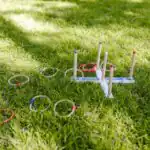
- Àpẹja (A game involving ‘fishing’ for objects)
- Ẹ̀bọ́ (A game involving throwing sticks or similar items)
Teaching Methods/Instructional Techniques
Discussion, Lecture, Demonstration, Question and Answer, Visual Aids
Instructional Procedures
Step 1: Introduction
Time: 5 minutes
Teaching Skill: Set Induction
Teacher’s Activity: The teacher greets the pupils and asks them to mention some games they play at home or in school. The teacher then links their responses to the topic of sports (eré ìdárayá).
Pupils’ Activity: Pupils respond by mentioning various games they play.
Learning Point: Pupils are engaged and their minds are prepared for the lesson.
Step 2: Presentation of Ìtúmò eré ìdárayá
Time: 10 minutes
Teaching Skill: Explanation/Definition
Teacher’s Activity: The teacher explains the meaning of eré ìdárayá in simple Yoruba, writing the definition on the board. The teacher emphasizes the health benefits and enjoyment derived from sports.
Pupils’ Activity: Pupils listen attentively, copy the definition from the board, and ask questions for clarity.
Learning Point: Pupils understand the definition and importance of eré ìdárayá.
Step 3: Presentation of Oríṣiríṣi eré ìdárayá
Time: 10 minutes
Teaching Skill: Listing/Identification
Teacher’s Activity: The teacher displays pictures of various sports and asks pupils to identify them. The teacher then lists and pronounces the Yoruba names for these sports on the board.
Pupils’ Activity: Pupils identify the sports from pictures, repeat the Yoruba names, and copy them into their notebooks.
Learning Point: Pupils can identify and name different types of eré ìdárayá.
Step 4: Presentation of Àkókó tí a máa ń ṣe eré ìdárayá
Time: 7 minutes
Teaching Skill: Explanation
Teacher’s Activity: The teacher discusses when and where sports are typically played, explaining that sports can be for fun, competition, or exercise, and are done at specific times.
Pupils’ Activity: Pupils listen and contribute by sharing examples of when they play sports.
Learning Point: Pupils understand the appropriate times and contexts for playing sports.
Step 5: Presentation of Eré ìdárayá nílè Yorùbá
Time: 5 minutes
Teaching Skill: Cultural Context
Teacher’s Activity: The teacher introduces traditional Yoruba sports, giving examples and briefly explaining how some of them are played.
Pupils’ Activity: Pupils listen and may share if they know any of the traditional games.
Learning Point: Pupils learn about traditional Yoruba sports and their cultural significance.
Step 6: Class Discussion/Activity
Time: 3 minutes
Teaching Skill: Engagement
Teacher’s Activity: The teacher facilitates a brief discussion asking pupils which sport is their favorite and why.
Pupils’ Activity: Pupils share their favorite sports and reasons.
Learning Point: Pupils express their preferences and reinforce their understanding.
Step 7: Evaluation/Review
Time: 5 minutes
Teaching Skill: Questioning/Assessment
Teacher’s Activity: The teacher evaluates the learning by asking the following questions:
- Kí ni ìtúmò eré ìdárayá? (What is the meaning of sports?)
- Ménuba oríṣi méjì eré ìdárayá. (Mention two types of sports.)
- Sọ àkókó kan tí a máa ń ṣe eré ìdárayá. (State one time when sports are played.)
- Ménuba eré ìdárayá àṣàkan nílè Yorùbá. (Mention one traditional sport in Yorubaland.)
Pupils’ Activity: Pupils answer orally and in writing.
Learning Point: Pupils demonstrate understanding of the lesson.
Step 8: Conclusion
Time: 1 minute
Teaching Skill: Summarization
Teacher’s Activity: The teacher summarizes the main points of the lesson, reiterating the importance of sports for health and enjoyment.
Pupils’ Activity: Pupils listen and make final notes.
Learning Point: Pupils consolidate their learning.
Lesson Keywords
- Eré ìdárayá – Sports/Games
- Ìtúmò – Meaning/Definition
- Oríṣiríṣi – Different types
- Àkókó – Time/Period
- Ìlera – Health
- Àṣà – Culture/Tradition
Differentiation
For pupils who are fast learners, the teacher can encourage them to list more types of sports or explain the rules of one traditional Yoruba game. For pupils who need more support, the teacher can provide visual aids, simplify explanations, and allow them to respond by pointing to pictures or repeating key words.
Note for teachers using this lesson plan
Encourage pupils to participate actively by sharing their experiences with sports. Use real-life examples and demonstrations where possible to make the lesson more relatable and engaging. Emphasize the cultural relevance of traditional Yoruba games to foster cultural pride.

Community Join the conversation Open discussion +