

Class: Primary 5
Term: 3rd Term
Week: 11
Age: 10 years
Duration: 45 minutes
Subject: Yoruba
Curriculum Theme: Nigerian Languages
Previous Lesson: Ewi, Òwe, Itumo and Lilo Òwe in Gbolohun.
Topic: ÈDÈ
Subject Matter: Èdè alọ́niláhán, Ìtúmò èdè alọ́niláhán, Ìwúlò èdè alọ́niláhán nínú èdè Yorùbá, Àpẹẹrẹ ìpèdè alọ́niláhán, Pípe èdè alọ́niláhán lọ́pọ̀ ìgbà
Specific Objectives
By the end of the lesson, pupils should be able to:
Cognitive Domain:
- Define what tonal language (èdè alọ́niláhán) is.
- State the importance of tonal language in Yoruba.
- Identify examples of Yoruba words that are tonal.
Affective Domain:
- Appreciate the role of tone in distinguishing meanings of Yoruba words.
- Participate actively in pronouncing tonal words.
Psychomotor Domain:
- Pronounce different tonal words correctly.
- Give their own examples of tonal words.
Social Domain:
- Collaborate with peers in practicing the pronunciation of tonal words.
- Share their understanding and examples with the class.
Reference Materials
The following resources were used in planning this lesson:
- 9 Years Basic Education Curriculum for Primary Schools.
- State Unified Scheme of Work for Primary 5 Yoruba.
- Yoruba Fun Ile Iwe Alakobere (Primary 5) by various authors.
Instructional Materials
The teacher will teach this lesson with the aid of:
- Audio examples of tonal words.
- Flashcards with examples of tonal words.
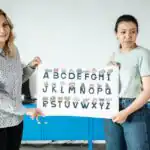
- A chart showing tonal marks.
- Pátákó ìkòwé (chalkboard/whiteboard).
Rationale for the Lesson
This lesson helps pupils understand that the way they pronounce words in Yoruba can change their meaning. Learning about tonal language enables them to speak Yoruba more accurately and avoid misunderstandings in daily conversations, which is important for effective communication.
Prerequisite/Previous Knowledge
Pupils have basic knowledge of speaking and identifying simple words in Yoruba language.
Lesson Content/Board Summary
Èdè Alọ́niláhán (Tonal Language)
Ìtúmò Èdè Alọ́niláhán
Èdè alọ́niláhán ni èdè tí ìró ohun tí a fi ń pe ọ̀rọ̀ ń yí padà, tí ìró yẹn sì ń fun ọ̀rọ̀ ní ìtúmò tó yatò. Nínú èdè Yorùbá, a ní àmì ohun mẹ́ta: dó (ìsàlẹ̀), ré (àárin), mí (òkè).
Ìwúlò Èdè Alọ́niláhán nínú Èdè Yorùbá
Èdè alọ́niláhán ṣe pàtàkì nínú èdè Yorùbá fún àwọn ìdí wọ̀nyí:
- Ó ń ran ni lọ́wọ́ láti mọ ìtúmò ọ̀rọ̀ tó yẹ nínú gbólóhùn.
- Ó ń jẹ́ kí a máa ṣí ọ̀rọ̀ lóye tabi lójù.
- Ó ń mú kí èdè Yorùbá ní ìjùlò àti ìdádúró rẹ̀ gẹ́gẹ́ bí èdè.
Àpẹẹrẹ Ìpèdè Alọ́niláhán
Àwọn àpẹẹrẹ wọ̀nyí fi hàn bí ìró ohun ṣe ń yí ìtúmò ọ̀rọ̀ padà:
- òkè (hill) – ókè (pot)
- ògun (war) – ógún (inheritance) – ògùn (twenty)
- àná (yesterday) – áná (in-law)
- ọ̀kà (cassava flour meal) – ọ́kà (corn)
- ìgbá (calabash) – ìgbà (time) – ìgbà (locust bean tree)
Pípe Èdè Alọ́niláhán Lọ́pọ̀ Ìgbà
Ó ṣe pàtàkì kí a máa dánra wò nípa pípe àwọn ọ̀rọ̀ alọ́niláhán láti lè mọ̀ bí a ti ń pe wọ́n dáadáa. Yíyí ìró ohun padà nínú ọ̀rọ̀ kan lè yí ìtúmò ọ̀rọ̀ náà padà patapata. Ìṣéṣíṣe ni ó ń mú ni pe ọ̀rọ̀ dáadáa.
Teaching Methods/Instructional Techniques
Discussion, Lecture, Demonstration, Question and Answer, Visual Aids
Instructional Procedures
Step 1: Introduction
Time: 5 minutes
Teaching Skill: Set Induction
Teacher’s Activity: The teacher greets the pupils and reviews the previous lesson briefly. The teacher then asks pupils to say a few simple Yoruba words like “baba” and “mama”, and notes different ways they might say them, leading to the idea of how sounds affect meaning.
Pupils’ Activity: Pupils respond to greetings, recall the previous lesson, and participate in saying words.
Learning Point: Pupils are prepared for the new topic and understand that sound can be important in language.
Step 2: Àlàyé Ìtúmò Èdè Alọ́niláhán
Time: 10 minutes
Teaching Skill: Explanation/Lecture
Teacher’s Activity: The teacher explains what tonal language (èdè alọ́niláhán) is, using the chalkboard to write the definition and mentioning the three main tones in Yoruba (dó, ré, mí). The teacher uses audio examples to demonstrate how different tones change the meaning of a word.
Pupils’ Activity: Pupils listen attentively, take notes, and pay attention to the audio examples.
Learning Point: Pupils understand the definition of tonal language and the concept of tones in Yoruba.
Step 3: Ìwúlò Èdè Alọ́niláhán
Time: 8 minutes
Teaching Skill: Explanation/Discussion
Teacher’s Activity: The teacher explains the importance of tonal language in Yoruba, emphasizing how it helps in correct understanding and prevents miscommunication. The teacher asks pupils to think about situations where wrong pronunciation could lead to misunderstanding.
Pupils’ Activity: Pupils listen, contribute to the discussion, and note the importance of correct pronunciation.
Learning Point: Pupils grasp why understanding tonal language is essential for clear communication in Yoruba.
Step 4: Àpẹẹrẹ Èdè Alọ́niláhán
Time: 10 minutes
Teaching Skill: Demonstration/Practice
Teacher’s Activity: The teacher presents various examples of tonal words using flashcards and the chart of tonal marks. For each example, the teacher pronounces the word with different tones and explains the change in meaning. Pupils are then asked to repeat the words after the teacher, focusing on the correct tones.
Pupils’ Activity: Pupils observe the flashcards and chart, listen to the teacher’s pronunciation, and practice repeating the words with correct tones.
Learning Point: Pupils identify and correctly pronounce common tonal words in Yoruba.
Step 5: Pípe Lọ́pọ̀ Ìgbà
Time: 5 minutes
Teaching Skill: Reinforcement/Practice
Teacher’s Activity: The teacher emphasizes the need for continuous practice to master tonal pronunciation. The teacher encourages pupils to practice saying tonal words regularly and to listen carefully when others speak Yoruba.
Pupils’ Activity: Pupils acknowledge the importance of practice and engage in further pronunciation exercises as guided by the teacher.
Learning Point: Pupils understand that consistent practice improves their ability to use tonal language correctly.
Step 6: Ìṣéṣíṣe Àti Àtúnṣe
Time: 2 minutes
Teaching Skill: Supervision/Correction
Teacher’s Activity: The teacher walks around the classroom, listening to pupils as they practice pronouncing the words. The teacher provides individual correction and encouragement where necessary.
Pupils’ Activity: Pupils continue practicing the pronunciation, seeking clarification or correction from the teacher.
Learning Point: Pupils receive immediate feedback and improve their pronunciation skills.
Step 7: Evaluation/Review
Time: 5 minutes
Teaching Skill: Questioning/Assessment
Teacher’s Activity: The teacher evaluates the learning by asking the following questions:
- Kí ni èdè alọ́niláhán? (What is tonal language?)
- Sọ àwọn àmì ohun mẹ́ta tí a ní nínú èdè Yorùbá. (Mention the three tonal marks we have in Yoruba.)
- Fi àpẹẹrẹ méjì hàn lati fi ìwúlò èdè alọ́niláhán yé ni. (Give two examples to show the importance of tonal language.)
- Kí ló ṣe pàtàkì láti ṣe fún pípe èdè alọ́niláhán dáadáa? (What is important to do for good pronunciation of tonal language?)
Pupils’ Activity: Pupils answer orally and in writing.
Learning Point: Pupils demonstrate understanding of the lesson.
Step 8: Conclusion
Time: 2 minutes
Teaching Skill: Summarization/Assignment
Teacher’s Activity: The teacher summarizes the main points of the lesson and assigns homework, asking pupils to find five more pairs of Yoruba words that change meaning with different tones and write them down.
Pupils’ Activity: Pupils listen to the summary and copy down the homework assignment.
Learning Point: Pupils consolidate their learning and are encouraged to continue exploring the topic.
Lesson Keywords
- Èdè alọ́niláhán – Tonal language (a language where the pitch of a word affects its meaning)
- Ìró ohun – Tone/Pitch (the highness or lowness of a sound)
- Àmì ohun – Tonal marks (symbols used to indicate tones in written Yoruba)
- Ìtúmò – Meaning (what a word or phrase signifies)
- Pípe – Pronunciation (the way a word is spoken)
Differentiation
For pupils who grasp the concept quickly, the teacher will encourage them to create short sentences using tonal words. For pupils who need more support, the teacher will provide extra one-onone practice with audio examples and simplified flashcards, focusing on a few key words at a time.
Note for teachers using this lesson plan
Emphasize interactive practice and use clear, exaggerated tones when demonstrating. Encourage pupils to listen carefully to each other and provide constructive feedback. Using real-life examples from pupils’ experiences can make the lesson more relatable and engaging.


Community Join the conversation Open discussion +