

Class: Primary 5
Term: 1st Term
Week: 12
Age: 10 years
Duration: 45 minutes
Subject: Yoruba
Curriculum Theme: Nigerian Languages
Previous Lesson: Asa, Eto Igbeyawo Ibile Yoruba and Orin Igbeyawo.
Topic: ÈRỌ ÌBÁRA ẸNI SÒRÒ (Communication Devices)
Subject Matter: Èrọ ìbára ẹni sòrò alágbèéká G.S.M (GSM Mobile Communication Device), Àfihàn èrọ ìbáni sòrò alágbèéká (Display of mobile communication device), Èyà ara èrọ ìbáni sòrò alágbèéká (Parts of mobile communication device), Yiya àwòrán èrọ ìbáni sòrò alágbèéká (Drawing of mobile communication device).
Specific Objectives
By the end of the lesson, pupils should be able to:
Cognitive Domain:
- Define Èrọ ìbára ẹni sòrò alágbèéká (GSM).
- Identify the different parts of a GSM mobile phone.
Affective Domain:
- Appreciate the importance of mobile phones in modern communication.
- Show interest in learning about various communication devices.
Psychomotor Domain:
- Draw a simple diagram of a mobile phone.
- Point to the different parts of a physical mobile phone.
Social Domain:
- Discuss the uses of mobile phones with their peers.
Reference Materials
The following resources were used in planning this lesson:
- 9 Years Basic Education Curriculum (Yoruba Language)
- State Unified Scheme of Work (Primary 5 Yoruba)
- Ìwé Èdè Yorùbá fún Ìdàgbàsókè, Ìwé Kéjì (Primary 5)
- https://www.nigeriancurriculum.gov.ng/yoruba/primary5
- https://www.stateministryofeducation.gov.ng/yoruba/curriculum
Instructional Materials
The teacher will teach this lesson with the aid of:
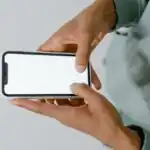
- A sample mobile phone (GSM)
- A chart showing the parts of a mobile phone
- Flashcards with Yoruba keywords related to mobile phones
- Chalkboard/Whiteboard and chalk/marker
Rationale for the Lesson
This lesson helps pupils understand how mobile phones work and their importance in daily communication. Knowing the parts of a mobile phone and how to identify them will enable pupils to better understand technology they encounter daily.
Prerequisite/Previous Knowledge
Pupils have seen or used mobile phones at home or in their communities and have some basic understanding of their function.
Lesson Content/Board Summary
ÈRỌ ÌBÁRA ẸNI SÒRÒ ALÁGBÈÉKÁ (GSM)
Kí Ni Èrọ Ìbára Ẹni Sòrò Alágbèéká (GSM)?
Èrọ ìbára ẹni sòrò alágbèéká jẹ́ ohun èlò tí a fi ń bá ara wa sọ̀rọ̀ láti ibi kan sí ibòmíràn. Ó lè jẹ́ láti fi pé èniyàn, fi ránṣẹ́ tabí fi wo àwọn àwòrán. GSM duró fún Global System for Mobile Communications.
Àwọn Èyà Ara Èrọ Ìbára Ẹni Sòrò Alágbèéká
Àwọn èyà ara èrọ ìbára ẹni sòrò alágbèéká pẹlú:
- Ibojú (Screen)
- Àwọn bọtiní (Buttons/Keypad)
- Gbọ̀ngàn ohùn (Microphone)
- Àgbọ́rọ̀ (Speaker/Earpiece)
- Àgbékákààdì SIM (SIM card slot)
- Àgbékákààdì Batirì (Battery slot)
- Kámérà (Camera)
- Àdírẹ́sì gbàgbà (Charger port)
Bí A Ṣe Lè Ya Àwòrán Èrọ Ìbára Ẹni Sòrò Alágbèéká
Lati ya àwòrán èrọ ìbára ẹni sòrò alágbèéká, tẹlé àwọn ìgbàsìṣè wọ̀nyí:
- Ya apẹrẹ onigun mẹrin fun ara foonu. (Draw a rectangular shape for the phone body.)
- Ya onigun mẹrin kekere kan sí okè fun ibojú. (Draw a smaller rectangle at the top for the screen.)
- Ya awọn bọtiní tabí àwòrán keyboard sí ìsàlẹ̀ ibojú. (Draw buttons or a keyboard image below the screen.)
- Fi àwọn àmì kekeré kun bí kámérà, àti gbọ̀ngàn ohùn. (Add small details like a camera and microphone.)
Teaching Methods/Instructional Techniques
Discussion, Lecture, Demonstration, Question and Answer, Visual Aids
Instructional Procedures
Step 1: Introduction
Time: 5 minutes
Teaching Skill: Set Induction
Teacher’s Activity: The teacher greets the pupils and asks them if they have ever seen a mobile phone or if their parents own one. The teacher then displays a sample mobile phone to the class and asks pupils to identify it.
Pupils’ Activity: Pupils respond to the teacher’s questions and identify the mobile phone.
Learning Point: Pupils are engaged and link the lesson to their prior experiences.
Step 2: Presentation of Topic
Time: 5 minutes
Teaching Skill: Explanation
Teacher’s Activity: The teacher formally introduces the topic: “ÈRỌ ÌBÁRA ẸNI SÒRÒ ALÁGBÈÉKÁ (GSM)” and writes it on the board. The teacher explains that today’s lesson will focus on what a mobile phone is, its parts, and how to draw it.
Pupils’ Activity: Pupils listen attentively and copy the topic into their notebooks.
Learning Point: Pupils know the topic of the lesson.
Step 3: Explanation of Èrọ ìbára ẹni sòrò alágbèéká
Time: 10 minutes
Teaching Skill: Lecture/Discussion
Teacher’s Activity: The teacher defines Èrọ ìbára ẹni sòrò alágbèéká (GSM) in simple Yoruba, explaining its uses for calling, sending messages, and viewing pictures. The teacher also explains what GSM stands for.
Pupils’ Activity: Pupils listen, ask questions, and contribute to the discussion by mentioning how mobile phones are used.
Learning Point: Pupils understand the definition and basic function of a mobile phone.
Step 4: Identification of Parts
Time: 10 minutes
Teaching Skill: Demonstration/Visual Aids
Teacher’s Activity: The teacher uses the chart showing the parts of a mobile phone and the sample mobile phone to point out and name each part in Yoruba (e.g., ibojú, àwọn bọtiní, gbọ̀ngàn ohùn, àgbọ́rọ̀). The teacher asks pupils to repeat the names after him/her.
Pupils’ Activity: Pupils observe the chart and the mobile phone, repeat the names of the parts, and try to identify them on the sample phone.
Learning Point: Pupils can identify and name the parts of a mobile phone in Yoruba.
Step 5: Demonstration of Drawing
Time: 5 minutes
Teaching Skill: Demonstration
Teacher’s Activity: The teacher draws a simple diagram of a mobile phone on the board, showing the basic shapes and details mentioned in the board summary. The teacher explains each step as he/she draws.
Pupils’ Activity: Pupils observe carefully as the teacher draws on the board.
Learning Point: Pupils understand the steps involved in drawing a mobile phone.
Step 6: Guided Practice (Drawing)
Time: 5 minutes
Teaching Skill: Coaching/Supervision
Teacher’s Activity: The teacher instructs pupils to attempt drawing a mobile phone in their notebooks, providing guidance and assistance where needed.
Pupils’ Activity: Pupils try to draw a mobile phone in their notebooks, following the steps demonstrated by the teacher.
Learning Point: Pupils practice their drawing skills and ability to represent objects.
Step 7: Evaluation/Review
Time: 5 minutes
Teaching Skill: Questioning/Assessment
Teacher’s Activity: The teacher evaluates the learning by asking the following questions:
- Kí ni Èrọ ìbára ẹni sòrò alágbèéká (GSM)? (What is a GSM mobile communication device?)
- Dárúkọ méjì nínú àwọn èyà ara èrọ ìbára ẹni sòrò alágbèéká. (Mention two parts of a mobile communication device.)
- Báwo ni a ṣe lè ya àwòrán èrọ ìbára ẹni sòrò alágbèéká? (How can we draw a mobile communication device?)
Pupils’ Activity: Pupils answer orally and in writing.
Learning Point: Pupils demonstrate understanding of the lesson.
Step 8: Conclusion
Time: 5 minutes
Teaching Skill: Summarization
Teacher’s Activity: The teacher summarizes the key points of the lesson, reinforcing the definition of a mobile phone, its parts, and its importance. The teacher then assigns homework, asking pupils to draw and label the parts of a mobile phone in their notebooks.
Pupils’ Activity: Pupils listen to the summary and copy down the homework.
Learning Point: Pupils consolidate their learning and apply it in homework.
Lesson Keywords
- Èrọ ìbára ẹni sòrò alágbèéká – Mobile communication device
- Ibojú – Screen
- Àwọn bọtiní – Buttons/Keypad
- Gbọ̀ngàn ohùn – Microphone
- Àgbọ́rọ̀ – Speaker/Earpiece
- Kámérà – Camera
Differentiation
For pupils who grasp concepts quickly, the teacher can ask them to explain the functions of different mobile phone parts or discuss the evolution of mobile phones. For pupils needing more support, the teacher will provide extra guidance during drawing activities and use simpler language and more visual aids to explain concepts.
Note for teachers using this lesson plan
Ensure a clear demonstration of the mobile phone and its parts, using both the physical device and the chart. Encourage pupils to use Yoruba when naming the parts. Provide adequate time for pupils to practice drawing and offer individual assistance as needed. Emphasize the importance of responsible mobile phone use where appropriate.


Community Join the conversation Open discussion +