

Class: Primary 5
Term: 1st Term
Week: 11
Age: 10 years
Duration: 45 minutes
Subject: Yoruba
Curriculum Theme: Nigerian Languages
Previous Lesson: Imotòtò Ara, Ohun Elo, Ewu and Orin Imotòtò.
Topic: ÀṢÀ
Subject Matter: Àṣà ìgbéyàwó, Ètò ìgbéyàwó ìbílè Yorùbá, Ìlàna ètò ìgbéyàwó, Ere ìgbéyàwó, Orin ìgbéyàwó, Èkún ìyàwó
Specific Objectives
By the end of the lesson, pupils should be able to:
Cognitive Domain:
- Define Àṣà ìgbéyàwó.
- Explain the stages of Ètò ìgbéyàwó ìbílè Yorùbá.
- Mention the importance of Ìlànà ètò ìgbéyàwó.
Affective Domain:
- Appreciate the cultural value of Yoruba traditional marriage.
- Show respect for traditional customs and practices.
Psychomotor Domain:
- Perform simple Ere ìgbéyàwó.
- Sing Orin ìgbéyàwó or chant Èkún ìyàwó.
Social Domain:
- Participate in group activities related to marriage traditions.
- Collaborate with peers to demonstrate aspects of Yoruba wedding culture.
Reference Materials
The following resources were used in planning this lesson:
- 9 Years Basic Education Curriculum for Primary Schools (Yoruba Language)
- Lagos State Unified Scheme of Work for Primary 5
- Yoruba Ronu fun Ile-Iwe Alakobere Apakan Keta fun Iketa Iwe.
- https://www.yorubaacademy.org/
- https://www.culture.gov.ng/
Instructional Materials
The teacher will teach this lesson with the aid of:
- Awòrán ìgbéyàwó (pictures of marriage)
- Kaadi orin (song cards)
- Asa chart (culture chart)
- Pátákó ìkòwé (writing board/chalkboard)
Rationale for the Lesson
This lesson helps pupils understand the significant cultural practices surrounding traditional marriage in Yoruba land. It enables them to appreciate their heritage and learn about the customs that bind the community, fostering a sense of identity and belonging.
Prerequisite/Previous Knowledge
Pupils have basic knowledge of Yoruba culture and some common traditional practices.
Lesson Content/Board Summary
ÀṢÀ
Àṣà Ìgbéyàwó
Àṣà ìgbéyàwó ni gbogbo òfin, ìṣe, àti ìlànà tí àwọn ènìyàn Yorùbá ń tẹ̀lé nígbà tí wọ́n bá fẹ́ ṣe ìgbéyàwó. O jẹ́ ọ̀kan pàtàkì nínú àwọn àṣà Yorùbá.
Ètò Ìgbéyàwó Ìbílè Yorùbá
Ètò ìgbéyàwó ìbílè Yorùbá ní àwọn ìgbà àti ìlànà kan tí àwọn ènìyàn Yorùbá ń tẹ̀lé tí wọ́n bá fẹ́ gbé ìyàwó. O bẹ̀rẹ̀ láti ìgbà tí ọkùnrin bá rí obìnrin tí ó fẹ́ fẹ́, tí ó sì parí sí ìgbà tí a bá ti fi ìyàwó lélé.
Àwọn ìlànà pàtàkì nínú ètò ìgbéyàwó ìbílè Yorùbá ní àwọn wọ̀nyí:
- Ìfẹ̀sọ́wọ́kàn/Ìjọ́júdé: Ìgbà tí ọkùnrin bá fẹ́ fi hàn pé ó fẹ́ obìnrin kan, tí wọ́n sì mọ ara wọn.
- Ìkíni/Ìwádìí: Ìgbà tí ẹbí ọkùnrin bá lọ bèrè fún ìyàwó lọ́dọ̀ ẹbí obìnrin.
- Ìdúnárì: Ìgbà tí ẹbí ọkùnrin bá san owó orí àti àwọn nkan mìíràn sílẹ̀ fún ẹbí obìnrin.
- Ìgbàlébù: Ìgbà tí àwọn ẹbí méjèjì bá ti gbafọ̀ lórí ọjọ́ ìgbéyàwó.
- Ìgbéyàwó: Òjọ́ tí àwọn tọkọtaya bá ṣe àṣéyàwó ní ojú gbogbo ènìyàn.
- Ìfìyàwólélé: Ìgbà tí a bá mú ìyàwó lọ sí ilé ọkọ rẹ̀.
Ìlànà Ètò Ìgbéyàwó
Ìlànà ètò ìgbéyàwó ní àwọn àwọn ìṣe àti àwọn òfin tí o gbọ́dọ̀ tẹlé kí ìgbéyàwó tó lè jẹ́ tí ó péyè ní àṣà Yorùbá. O jẹ́ ìlànà tí ó ń fi ọlá fún àwọn àgbà àti àṣà ilẹ̀ Yorùbá.
Ere Ìgbéyàwó
Ere ìgbéyàwó ní àwọn eré tí àwọn ènìyàn ń ṣe lásàkò ìgbéyàwó láti fi mú ayọ̀ àti ìdùnnú bá àwọn ènìyàn. O lè jẹ́ eré orí ìtàn, eré ìjó, tàbí eré àwàdà.
Àwọn àpèrè eré ìgbéyàwó ní:
- Ìjó ìgbéyàwó.
- Eré tí àwọn ọ̀rẹ́ ìyàwó àti ọkọ ń ṣe.
- Àwọn eré tí a fi ń fi ìyàwó hàn àwọn ènìyàn.
Orin Ìgbéyàwó
Orin ìgbéyàwó ní àwọn orin tí àwọn ènìyàn ń kọ lásàkò ìgbéyàwó láti fi gbé ìgbéyàwó ga. Àwọn orin wọ̀nyí máa ń sọ̀rọ̀ nípa ìfẹ́, ìdàpọ̀, àti àwọn àdúrà fún tọkọtaya.
Àwọn àpèrè orin ìgbéyàwó ní:
- “Ó yá, ó yá, ó yá, ìgbéyàwó ló dé.”
- “Ìyàwó mọ́ mí l’ọ́wọ́, mọ́ mí l’ẹ́sẹ̀.”
- “Olúwa bùkún ìgbéyàwó wa.”
Èkún Ìyàwó
Èkún ìyàwó ní orin àti àdúrà tí ìyàwó máa ń kọ tàbí sun nígbà tí ó bá fẹ́ lọ sí ilé ọkọ. O jẹ́ ọnà kan tí ìyàwó fi ń dágbéré fún àwọn obí àti ẹbí rẹ̀, tí ó sì ń gba àdúrà fún ìgbesí ayé tuntun rẹ̀.
Àwọn àpèrè ohun tí ìyàwó máa ń sọ nínú èkún ìyàwó ní:
- Ìdúpẹ́ fún àwọn obí rẹ̀.
- Àdúrà fún àwọn àgbàlagbà.
- Ìbérè fún àdúrà àti àtìlẹ́yìn nínú ìgbeyàwó rẹ̀.
Teaching Methods/Instructional Techniques
Discussion, Lecture, Demonstration, Question and Answer, Visual Aids
Instructional Procedures
Step 1: Introduction
Time: 5 minutes
Teaching Skill: Set Induction
Teacher’s Activity: The teacher greets the pupils and asks them if they have ever attended a wedding ceremony. The teacher then asks what they observed at such events, especially the traditional aspects.
Pupils’ Activity: Pupils respond to the greetings and share their experiences and observations about traditional wedding ceremonies.
Learning Point: Pupils recall prior experiences related to weddings, preparing them for the lesson on Yoruba traditional marriage.
Step 2: Explanation of Àṣà Ìgbéyàwó
Time: 7 minutes
Teaching Skill: Explanation/Definition
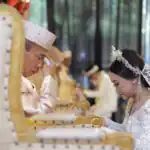
Teacher’s Activity: The teacher defines Àṣà ìgbéyàwó (traditional marriage culture) in Yoruba, explaining its importance as a significant part of Yoruba culture. The teacher uses the chart to show pictures of Yoruba weddings.
Pupils’ Activity: Pupils listen attentively, observe the pictures, and repeat the definition of Àṣà ìgbéyàwó.
Learning Point: Pupils understand the meaning and significance of Yoruba traditional marriage.
Step 3: Discussion of Ètò Ìgbéyàwó Ìbílè Yorùbá and Ìlànà Ètò Ìgbéyàwó
Time: 8 minutes
Teaching Skill: Explanation/Discussion
Teacher’s Activity: The teacher explains the various stages (Ètò ìgbéyàwó ìbílè Yorùbá) involved in a traditional Yoruba wedding, such as Ìfẹ̀sọ́wọ́kàn, Ìwádìí, Ìdúnárì, Ìgbéyàwó, and Ìfìyàwólélé. The teacher also discusses the importance of following these procedures (Ìlànà ètò ìgbéyàwó).
Pupils’ Activity:

Community Join the conversation Open discussion +