

Class: Primary Three
Term: Third Term
Subject: Basic science and Technology
Curriculum theme: Physical & Health Education
Previous Lesson: Meaning, Examples and Importance of Environmental Health
Topic: Pollution
Content/Learning Area: Meaning of Noise,Air,Water,and Chemical Pollution,Ways of Preventing Pollution
Time Allocation: 40 minutes
Performance Objectives
By the end of the lesson,pupils should be able to:
- Cognitive Domain:
1. Define noise, air, water, and chemical pollution.
2. list the causes of different types of pollution.
3. Explain ways to prevent different types of pollution.
- Affective Domain:
1. appreciate the importance of a clean environment.
2. Show concern for environmental protection.
- Psychomotor Domain:
1.Actively participate in class discussions.
2.Complete the evaluation questions accurately.
- Social Domain:
1. Work collaboratively with peers during activities.
2. Respect diverse opinions during discussions.
Reference Materials
- 9 – Years Basic Education Curriculum
- Abuja Educational resource Center Scheme of Work
- NAPPS National Unified Scheme of work
- Relevant Textbooks
Instructional Materials
To deliver this lesson, the teacher will use a whiteboard or chart paper, markers, and relevant pictures or illustrations.
Rationale for the Lesson
Understanding pollution is crucial for developing responsible environmental habits. this lesson lays the foundation for future learning about environmental conservation and sustainable practices, impacting their health and the community’s well-being.
Prerequisite/Previous Knowledge
The teacher will start by asking pupils what they understand by a clean environment and a polluted environment, encouraging them to share their experiences and observations. This will lead into a discussion about the different types of pollution.
Lesson Content
Meaning of Noise, Air, Water, and Chemical Pollution
Pollution is the introduction of harmful substances or products into the environment. It comes in different forms:
Noise Pollution
Noise pollution refers to unwanted or excessive sound that can have negative effects on human health, wildlife, and environmental quality. Sources of noise pollution include vehicles, factories, and loud music.
Air Pollution
Air pollution is the contamination of the air by harmful gases and particles.
Major causes include:
- Vehicle emissions
- Factory emissions
- Burning fossil fuels
- Bush burning
- Industrial processes
Water Pollution
Water pollution is the contamination of water bodies (rivers, lakes, oceans) with harmful substances.
Major causes include:
- Factory waste
- Oil spills
- Sewage
- Agricultural runoff
- Improper waste disposal
chemical Pollution
Chemical pollution is environmental contamination by harmful chemicals.
Major causes include:
- Pesticides
- Industrial waste
- Household cleaners
- Fertilizers
- Mining activities
Ways of Preventing Pollution
We can prevent pollution in several ways:
Air Pollution
The following are ways to prevent air pollution:
- Use public transport
- Plant trees
- Use clean energy
- Reduce burning of fossil fuels
- Promote energy efficiency
Water Pollution
The following are ways to prevent water pollution:
- Proper waste disposal
- Avoid dumping waste in water bodies
- Use eco-friendly products
- Support sustainable agriculture
- Implement stricter regulations on industrial discharge
Noise Pollution
The following are ways to prevent noise pollution:
- Use earplugs
- Maintain vehicles
- Reduce volume of electronic devices
- Implement noise barriers
- Promote quieter technologies
Chemical Pollution
The following are ways to prevent chemical pollution:
- Use natural pesticides
- proper disposal of chemicals
- Minimize the use of harmful products
- Promote green chemistry
- Support responsible manufacturing practices
teaching Methods
To deliver this lesson, the teacher will adopt the following methods: Discussion, Question and Answer, and Description.
Instructional Procedures
To deliver this lesson, the teacher will adopt the following steps:
Step 1: Introduction
Time: 5 minutes
Teaching Skill: Set Induction
Teacher’s Activity: Asks pupils what they know about pollution and a clean environment.
Pupils’ Activity: Respond to the teacher’s questions, sharing their prior knowledge.
Step 2: Explanation of Key Concepts
Time: 15 minutes
teaching Skill: Explanation
Teacher’s Activity: Explains the meaning of noise, air, water, and chemical pollution, giving clear examples.Pupils’ Activity: Listen attentively and ask clarifying questions.
Step 3: Presentation/Guided practice
Time: 10 minutes
Teaching Skill: Demonstration
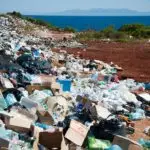
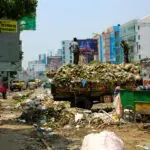
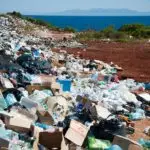
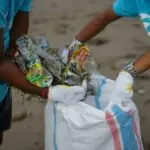
Teacher’s activity: Shows pictures or illustrations of different types of pollution and discusses their causes.
Pupils’ Activity: Observe the illustrations and participate in the discussion.
Step 4: Autonomous practice
Time: 5 minutes
Teaching Skill: Guided Practice
Teacher’s Activity: Guides pupils to list causes of different types of pollution.
Pupils’ Activity: Work individually or in small groups to complete the activity.
step 5: note-Taking
time: 2 minutes
Teaching Skill: Note-Taking
Teacher’s Activity: guides pupils to take notes on key concepts.
Pupils’ Activity: Write down critically importent points from the lesson.
Step 6: Evaluation/Review
Time: 3 minutes
Teaching Skill: Questioning
Teacher’s Activity: Asks questions to assess pupils’ understanding.
Pupils’ Activity: Answer the evaluation questions.
Objective-aligned checks:
- Define noise, air, water, and chemical pollution.
- list the causes of different types of pollution.
- Explain ways to prevent different types of pollution.
Step 7: Conclusion
Time: 2 minutes
teaching Skill: Closure
Teacher’s Activity: Summarizes the key points discussed, emphasizing the importance of environmental protection.
Pupils’ Activity: Listen to the summary and ask any remaining questions.
Lesson Keywords
- Pollution – The introduction of harmful substances into the environment.
- Air Pollution – Contamination of the air by harmful gases and particles.
- Water Pollution – Contamination of water bodies with harmful substances.
- Noise Pollution – Excessive or unwanted sound that can cause harm.
- Chemical Pollution – Environmental contamination by harmful chemicals.
lesson Evaluation
To evaluate the learning, the teacher asks pupils to:
- What is pollution?
- Name three types of pollution.
- Give two causes of air pollution.
- How can we prevent water pollution?
- Why is preventing pollution critically important?
Assignment/Homework
- List three ways you can definately help prevent pollution in your home or community.
- Research and write a short paragraph about a specific example of pollution in Nigeria and its effects.
Differentiation
- For slower learners: Provide one-on-one assistance and simplified explanations.
- For advanced learners: Encourage them to research further on specific types of pollution and present their findings to the class.
- For visual/auditory/kinesthetic learners: Use visual aids, audio recordings, and hands-on activities to cater to different learning styles.
Note for Teachers
Encourage pupils to share personal experiences related to pollution to make the lesson more engaging and relevant. Emphasize the importance of individual actions in preventing pollution and protecting the environment.
Community Join the conversation Open discussion +