

Class: Primary 5
Term: 3rd Term
Subject: National Values Education
Curriculum Theme: Social Studies
Previous Lesson: Meaning, Methods And Prevention Of Drug Abuse
Topic: Meaning, Types And Prevention Of pollution
Content/Learning Area: Meaning of pollution, Types of pollution, Prevention or control of pollution
Time Allocation: 40 minutes
Performance Objectives
By the end of the lesson, pupils should be able to:
- Cognitive Domain: Explain the meaning of pollution and identify different types of pollution.
- Affective Domain: Show concern about the effects of pollution on their environment.
- Psychomotor Domain: Draw a simple diagram showing one type of pollution.
- Social Domain: Suggest and practice ways of preventing pollution in their surroundings.
Reference Materials
The following resources were used in planning this lesson:
- 9 Years Basic Education Curriculum
- Abuja Educational Resource Centre Scheme of Work
- NAPPS National Unified scheme of Work
- Online Information from: Wikipedia – Pollution
- Relevant Textbooks
Instructional Materials
To deliver this lesson, the teacher will employ the help of the following: Picture charts of polluted and clean environments, Audio-visual clips showing effects of pollution, Flashcards showing types of pollution, Real-life objects (used plastic bottles, dirty water samples)
Rationale for the Lesson
To help pupils understand how pollution affects health and the environment, and how to prevent it for a better future.
Prerequisite/previous Knowledge
Pupils have previously learned about cleanliness and personal hygiene, and can identify dirty and clean places in their environment.
Lesson Content
Meaning, Types And Prevention Of Pollution
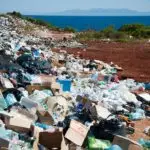
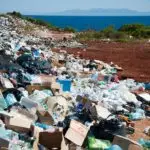
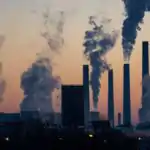
Pollution means making the environment dirty or harmful. It happens when we throw waste or dangerous things into air, water, or land. Pollution is bad for people, animals, and plants.
Types of Pollution
There are many types of pollution around us.
The following are the types of pollution:
- Air pollution
- Water pollution
- Land pollution
- Noise pollution
- light pollution: Excessive or misdirected artificial light.
- Thermal pollution: Release of excessive heat into water bodies or the atmosphere.
- Radioactive pollution: Contamination from nuclear accidents or improper disposal of radioactive waste.
Prevention or Control of Pollution
We can stop or reduce pollution by doing the right things. These include:
- Throwing waste in dustbins
- Not burning refuse in open air
- planting trees
- Using clean energy like solar power
- Cleaning our surroundings regularly
- Reducing, reusing, and recycling materials: Minimizing waste generation and maximizing resource utilization.
- Proper sewage and wastewater treatment: Ensuring that wastewater is treated before being discharged into the environment.
- Promoting eco-pleasant transportation: Encouraging the use of public transport,cycling,and electric vehicles.
Teaching Methods
To deliver this lesson, the teacher will adopt the following methods: Discussion, Lecture, Clarification, Question and Answer, Group Work, Storytelling, Visual Aids
Instructional Procedures
To deliver this lesson, the teacher will adopt the following steps:
Step 1: Introduction
Time: 5 mins
Teaching Skill: Set Induction
Teacher’s Activity: Tells a short story about a town that suffered from pollution and asks questions.
Pupils’ Activity: Listen to the story and respond to questions.
Step 2: Meaning of Pollution
Time: 5 mins
Teaching Skill: Explanation
Teacher’s Activity: Explains the meaning of pollution using real-life examples and flashcards.
Pupils’ activity: Listen and observe pictures shown.
Step 3: Types of Pollution
Time: 7 mins
Teaching Skill: Visual Aids
Teacher’s Activity: Shows pictures of different pollution types and names each type clearly.
Pupils’ Activity: Identify and repeat the names of pollution types shown.
Step 4: Prevention of pollution
Time: 7 mins
Teaching Skill: discussion
Teacher’s Activity: Discusses simple ways to prevent pollution with examples and asks pupils to add.Pupils’ activity: Suggest more ways to prevent pollution and participate in discussion.
Step 5: Note-Taking
Time: 5 mins
Teaching Skill: Copying
teacher’s Activity: Guides pupils to write short class notes in their notebooks.
Pupils’ Activity: Copy the notes correctly into their books.
Step 6: Evaluation/Review
Time: 5 mins
Teaching Skill: Assessment
Teacher’s Activity: Asks pupils questions and gives a swift task to match pollution types to images.
Pupils’ Activity: Answer questions and complete the task.
Objective-aligned checks:
- Explain the meaning of pollution and identify different types of pollution.
- Show concern about the effects of pollution on their environment.
- Draw a simple diagram showing one type of pollution.
Step 7: Conclusion
Time: 6 mins
Teaching Skill: cognitive, Social
Teacher’s Activity: Summarizes lesson, relates pollution to their home and school, praises efforts.
Pupils’ Activity: Share one thing they will do to prevent pollution.
Lesson Keywords
- Pollution – Making the environment dirty
- Air pollution – Dirty air caused by smoke or gas
- Water pollution – Dirty water caused by waste or oil
- Noise pollution – Loud sounds that disturb people
- Prevention – Ways to stop something bad from happening
Lesson Evaluation
To evaluate the learning, the teacher asks pupils to:
- What is pollution?
- Name two types of pollution.
- Give three ways we can prevent pollution.
- Draw one example of pollution.
- Match the picture of a pollution type with its name.
Assignment/Homework
- List five human activities that cause pollution in your community.
- Write a short paragraph on how you can help reduce pollution in your school.
- Draw and label a poster showing ways to prevent water pollution.
Differentiation
- For slower learners: Teacher will pair struggling pupils with peers, provide more pictures and real-life examples for better understanding, and give extra time for copying notes if needed.
- For advanced learners: Encourage advanced learners to research and present on a specific type of pollution and its impact on the environment.
- For visual/auditory/kinesthetic learners: use visual aids like videos and diagrams, incorporate discussions and storytelling, and engage pupils in hands-on activities like creating a mini-recycling centre.
Note for Teachers
Ensure to connect the lesson to the pupil’s daily experience at home or school. Use questions and storytelling to hold their interest and make the lesson interactive.

Community Join the conversation Open discussion +