

Class: Primary Two
Term: second Term
Subject: basic Science and Technology
Curriculum Theme: Computer Studies
Previous Lesson: Meaning of GSM Phone
Topic: GSM Phone
Content/Learning Area: Parts Of A GSM Phone, What is a GSM Phone?, Parts of a GSM Phone
Time Allocation: 40 minutes
Performance Objectives
By the end of the lesson, pupils should be able to:
- Cognitive Domain:
1. Identify the parts of a GSM phone.
2. Explain the function of each part of a GSM phone.
- Affective Domain:
1. show interest in learning about GSM phones.
- Psychomotor Domain:
1. Point to the different parts of a GSM phone.
- Social Domain:
1. Work cooperatively with peers during activities.
Reference Materials
- 9 – Years Basic education Curriculum
- Abuja Educational Resource Center scheme of Work
- NAPPS National Unified Scheme of Work
- Relevant Textbooks
Instructional Materials
To deliver this lesson, the teacher will employ the help of the following materials:
- A GSM phone
- Pictures of GSM phones
- Whiteboard or chart paper
- Markers
Rationale for the Lesson
Understanding the parts of a GSM phone is crucial for its proper use and maintenance. This lesson provides a foundation for future lessons on technology and dialog.
Prerequisite/previous Knowledge
Pupils have likely seen or interacted with GSM phones.
Lesson Content
What is a GSM Phone?
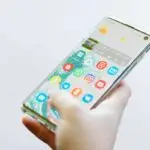
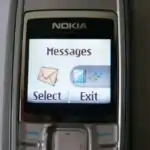
A GSM phone is a type of mobile phone that uses the Global System for Mobile Communications (GSM) standard. It’s a common type of phone used worldwide to communicate over long distances,send messages,and access the internet. mobile phones are very useful tools.
Parts of a GSM Phone
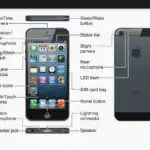
Many parts work together to make a GSM phone function.Hear are some key parts:
The following are the parts of a GSM phone:
- Screen: Shows details and images.
- Buttons: Used to navigate and control the phone.
- Speaker: Produces sound for calls and media.
- Microphone: Captures your voice for calls.
- Charging Port: Connects the charger for power.
- Camera: Takes pictures and videos.
- On/Off Button: Turns the phone on or off.
- Volume Buttons: Adjusts sound levels.
- SIM Card Slot: Holds the SIM card for cellular service. This is critically important for making calls.Similar to other devices, this is a key component.
- Battery: powers the phone.
- Back cover: Protects the internal parts.
- Earpiece Jack: Allows connection of headphones or earphones for private listening.
- Flashlight/Torch: Provides light for illumination in dark environments.
Teaching Methods
To deliver this lesson, the teacher will adopt the following methods: Discussion, Presentation, Question and answer
Instructional Procedures
To deliver this lesson, the teacher will adopt the following steps:
Step 1: Introduction
Time: 5 minutes
Teaching Skill: Set Induction
Teacher’s Activity: Asks pupils if they have seen a GSM phone before.Shows a GSM phone and asks pupils to describe it.Pupils’ Activity: Respond to the teacher’s questions and describe the phone.
Step 2: Clarification of Key Concepts
Time: 10 minutes
Teaching Skill: Explaining
Teacher’s Activity: Explains what a GSM phone is and its purpose.
Pupils’ Activity: Listen attentively and ask questions.
Step 3: Demonstration of GSM Phone Parts
Time: 10 minutes
teaching Skill: Demonstrating
Teacher’s Activity: Demonstrates the different parts of the GSM phone and explains their functions.
Pupils’ Activity: Observe the demonstration and participate in discussions.
Step 4: Identification of GSM Phone Parts
Time: 5 minutes
Teaching Skill: Guiding
Teacher’s Activity: Guides pupils to identify the parts of a GSM phone in pictures.
Pupils’ Activity: Identify the parts of the GSM phone in pictures.
Step 5: Note-Taking
Time: 5 minutes
Teaching Skill: Note-taking
Teacher’s Activity: Guides pupils to take notes on the main parts of a GSM phone and their functions.Pupils’ Activity: Take notes on the main parts of a GSM phone and their functions.
Step 6: Evaluation/Review
Time: 5 minutes
Teaching Skill: Questioning
Teacher’s Activity: Asks questions to assess pupils’ understanding.
Pupils’ Activity: Answer the teacher’s questions.
Objective-aligned checks:
- Identify the parts of a GSM phone.
- Explain the function of each part of a GSM phone.
- show interest in learning about GSM phones.
Step 7: Conclusion
Time: 5 minutes
teaching Skill: Summarizing
Teacher’s Activity: Summarizes the lesson and assigns homework.
Pupils’ activity: Listen to the summary and note the homework.
Lesson Keywords
- GSM Phone – A mobile phone that uses the Global System for Mobile Communications standard.
- Screen – the display area of the phone.
- Buttons – Controls used to operate the phone.
- Speaker – The part of the phone that produces sound.
- Microphone – The part of the phone that captures sound.
Lesson Evaluation
To evaluate the learning, the teacher asks pupils to:
- Name three parts of a GSM phone and their uses.
- What does the screen show?
- Why is it helpful to no the parts of a GSM phone?
- what is the difference between a speaker and a microphone?
- What does the SIM card do?
Assignment/Homework
- Draw a GSM phone and label its parts.
- Write down the function of each part you labeled.
Differentiation
- For slower learners: Provide one-on-one assistance and simplified explanations.
- For advanced learners: Ask them to research additional features of GSM phones and present their findings.
- For visual/auditory/kinesthetic learners: Use visual aids, verbal explanations, and hands-on activities to cater to different learning styles.
Note for Teachers
Ensure to bring a real GSM phone to class for demonstration. Encourage pupils to ask questions and participate actively in discussions.Adjust the pace of the lesson based on pupils’ understanding.
Community 1 comment Open discussion +